
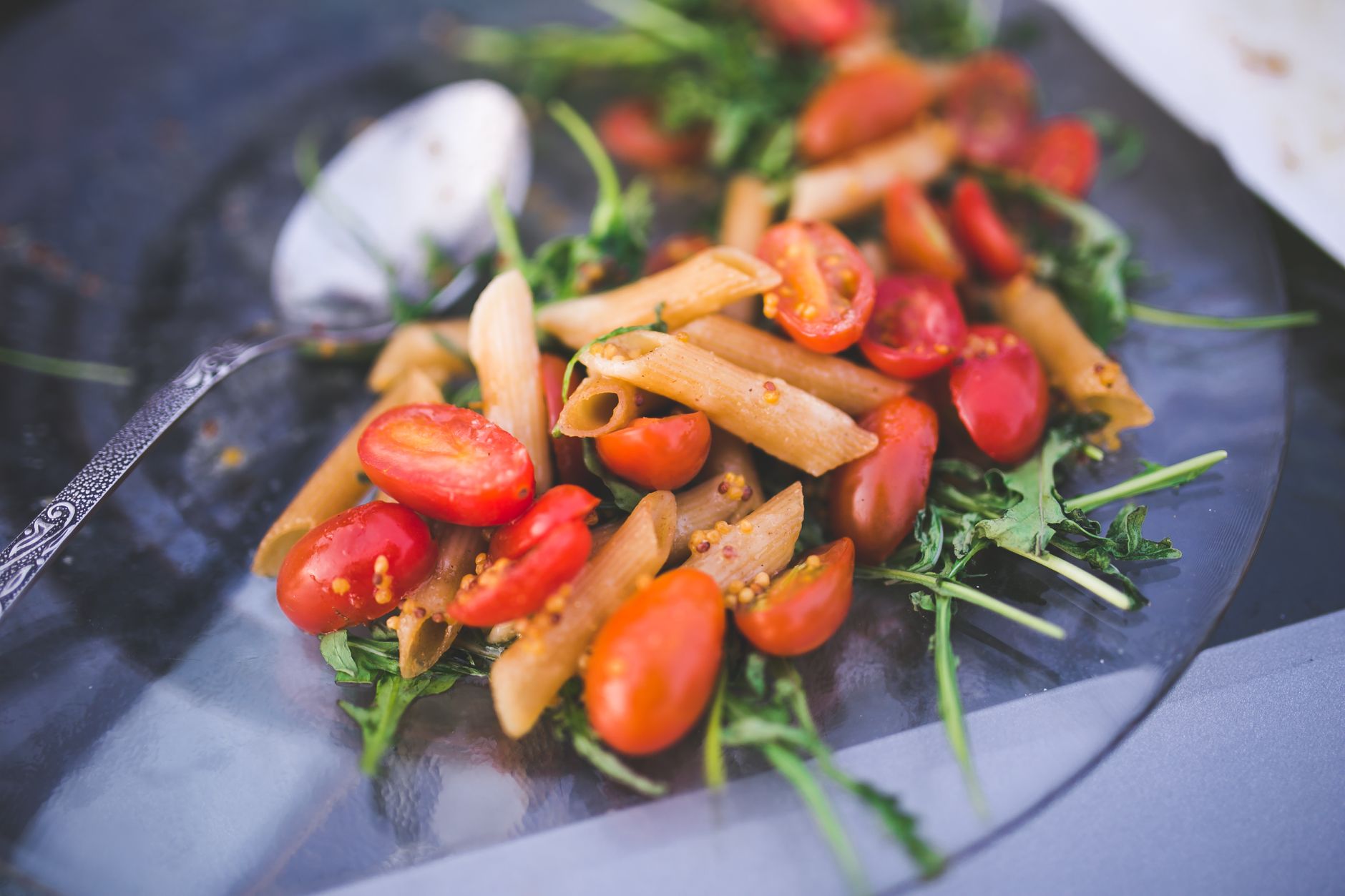
Preparing for a marathon involves more than just training. What you eat the night before can significantly impact your performance and energy levels during the race. Fueling your body with the right nutrients can help enhance endurance and reduce the risk of fatigue.
This guide will detail what to eat the night before a marathon, discussing the most suitable foods, portion guidelines, and meal ideas to ensure you’re at your best for race day.
What to Eat Night Before Marathon?
The night before a marathon, aim for a carbohydrate-rich meal that provides adequate energy without being overly heavy. Focus on easily digestible foods like pasta, rice, potatoes, or whole grain bread, combined with a small amount of protein and healthy fats.
Understanding Nutritional Needs
To optimize your performance and recovery, it’s essential to focus on your body’s nutritional needs as you prepare for a marathon. Carbohydrates, proteins, and fats all play roles in fueling your body.
Carbohydrates
Carbohydrates are the primary energy source for endurance athletes. A high-carb meal helps to maximize glycogen stores in your muscles, which is crucial for sustained energy during the race. Aim for around 70% of your meal to consist of carbohydrates.
Proteins
While carbohydrates are vital, including protein is also important for muscle repair and recovery. About 15-20% of your pre-race meal should consist of protein-rich foods. Keep it light to avoid digestive discomfort.
Fats
Healthy fats can offer additional energy and should make up about 10-15% of your meal. Choose sources like avocado, olive oil, or nuts, but keep the portions small, as fat takes longer to digest than carbohydrates or proteins.
Top Meal Choices
Here are some excellent meal ideas to consider the night before your marathon:
- Pasta with Marinara Sauce: A classic choice for runners, pasta is high in carbohydrates. Opt for whole grain pasta for added fiber and nutrients.
- Rice Bowl: A bowl of rice topped with vegetables, lean protein (like chicken or tofu), and a small drizzle of soy sauce is easy to digest.
- Quinoa Salad: Quinoa is a great source of complex carbohydrates. Combine it with vegetables and a light dressing for a nutritious meal.
- Sweet Potatoes: Baked sweet potatoes are packed with carbohydrates and vitamins. Serve with a small scoop of cottage cheese or a sprinkle of nuts.
- Whole Grain Bread Sandwich: Fill a sandwich with turkey, avocado, and lettuce for a balanced meal that is still easy on the stomach.
Portion Sizes and Meal Timing
It’s essential to consider portion sizes when planning your pre-race meal. A standard guideline is to consume about 3-4 grams of carbohydrates per kilogram of body weight in the hours leading up to the marathon, which includes the meal the night before.
For most runners, aim for a main meal of 600-800 calories the night before the race. This meal should be eaten around 6-8 hours before your race time, allowing for proper digestion. Pair this with a light breakfast, such as oatmeal or a banana, on the morning of the race.
Sample Meals
Here are some detailed sample meals to consider the night before your marathon:
Classic Pasta Dinner
Yield: Serves 4
Ingredients:
- 12 ounces whole grain pasta
- 2 cups marinara sauce
- 1 tablespoon olive oil
- 1 pound grilled chicken breast, sliced (optional)
- Parmesan cheese for topping
- Salt and pepper to taste
Method:
- Cook the pasta according to package instructions until al dente. Drain and set aside.
- In a saucepan, heat olive oil over medium heat and add marinara sauce. Simmer until heated through.
- If using chicken, grill or sauté the chicken until cooked through, then slice.
- Toss the pasta with the sauce and serve hot, topped with sliced chicken and Parmesan cheese.
Quinoa and Black Bean Bowl
Yield: Serves 4
Ingredients:
- 1 cup quinoa, rinsed
- 2 cups vegetable broth
- 1 can black beans, drained and rinsed
- 1 cup corn (fresh or frozen)
- 1 red bell pepper, diced
- 1 avocado, sliced
Method:
- In a medium pot, combine quinoa and vegetable broth. Bring to a boil, then reduce heat and simmer until quinoa is cooked, about 15 minutes.
- In a large bowl, combine the cooked quinoa, black beans, corn, and diced red bell pepper.
- Top with sliced avocado before serving.
Hydration Considerations
Don’t forget about hydration. The night before, drink plenty of water to ensure you’re well-hydrated before the marathon. Avoid excessive caffeine or alcohol, as both can lead to dehydration. Aim to consume at least half of your body weight in ounces of water before bedtime.
Common Mistakes to Avoid
It’s easy to make mistakes when planning your pre-marathon meal. Here are some common pitfalls to avoid:
- Overloading on fiber: While fiber is important, too much can lead to gastrointestinal distress on race day. Opt for moderate portions of fiber-rich foods.
- Trying new foods: The night before the race is not the time to experiment with new foods that your digestive system isn’t used to.
- Heavy meals: Foods that are high in fat and protein, like fried foods or greasy meals, can lead to discomfort. Stick to lighter options.
Make-Ahead Options
If you’re short on time the night before your marathon, consider preparing some components ahead of time. Here are a few make-ahead options:
- Cook pasta, quinoa, or rice ahead of time and store it in the fridge. Just reheat and toss with sauce or toppings when ready to serve.
- Prep salad components in advance, chopping veggies and storing them separately to maintain freshness.
- Make energy bites or protein bars in advance so you can grab them easily without cooking the night before.
What to Avoid Eating Night Before a Marathon
Eating the wrong foods can have negative effects on your performance. Here are some types of food to avoid:
- Spicy Foods: Spices can lead to gastrointestinal issues. It’s best to skip them before the race.
- Dairy Products: While dairy can be a good source of protein, it may also cause bloating or discomfort for some individuals.
- High-Fat Foods: Foods that are fried or contain excessive amounts of fats can lead to sluggishness and stomach issues.
Conclusion
Your nutrition strategy on the night before a marathon can significantly influence your performance. Focus on carbohydrate-rich meals with moderate protein and healthy fats to maximize your glycogen stores and enhance your endurance. Implement hydration strategies and avoid high-fiber, spicy, or heavy foods to ensure optimal health for race day.
For more delicious recipes and cooking tips, explore our guides on making chia pudding or whipping up a batch of protein brownies!