
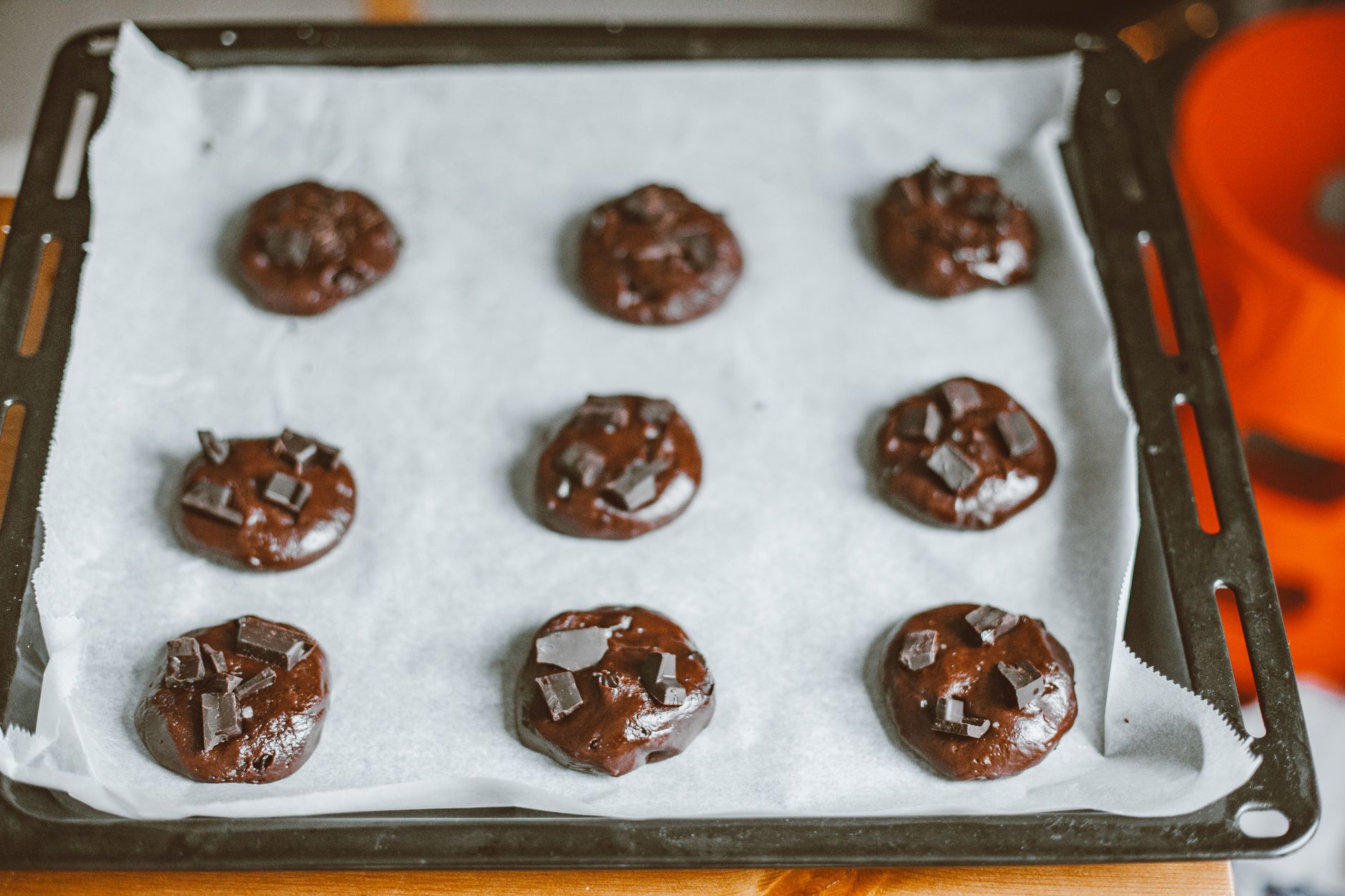
Shortening is a fundamental ingredient in baking that can dramatically affect the texture and flavor of baked goods. Primarily a fat, it serves functions beyond just adding richness; it contributes to the desired crumb structure of cookies, cakes, and pastries. Understanding shortening, its types, uses, and how it compares to other fats, can elevate your baking skills.
This article will explore the various aspects of shortening, including its composition, benefits in baking, suitable substitutions, and tips on incorporating it into your favorite recipes.
What Is Shortening In Baking?
Shortening is a solid fat used in baking to create a tender, flaky texture in pastries, cookies, and cakes. Typically made from vegetable oils, it is hydrogenated to give it a semi-solid state at room temperature. This process helps shortening maintain consistency and stability under heat, making it an essential ingredient in many baked products.
Types of Shortening
Shortening comes in several forms, each with its unique properties and uses in baking:
- All-Vegetable Shortening: This is the most common type used in baking. It’s made entirely from vegetable oils and is versatile for use in cakes, biscuits, and frosting.
- Lard: A traditional type of shortening derived from pork fat, lard is prized for its ability to create incredibly flaky pastries. While not suitable for vegetarians, it’s celebrated for its flavor and texture in recipes like pie crusts.
- Butter: Although not technically shortening, butter can serve as an alternative in many recipes. It adds richness and distinctive flavor but has a lower melting point than shortening. This can affect the texture of baked goods.
- Coconut Oil: This plant-based fat can act as a shortening substitute, offering a distinct flavor and texture. It can be used solid or melted but should be used with caution in recipes that require a specific fat consistency.
Benefits of Using Shortening in Baking
The use of shortening in baking offers several advantages:
- Tenderness: Shortening coats flour particles, inhibiting gluten formation, which results in tender baked goods.
- Flakiness: In pastries, shortening helps create distinct layers by providing a barrier that keeps moisture in and steam out during baking.
- Stability: Due to its high melting point, shortening remains stable at room temperature, making it ideal for certain frostings and baked products.
- Neutral Flavor: Unlike butter, which can impart a creamy taste, shortening has a neutral flavor, allowing the main ingredients to shine in recipes.
Common Uses of Shortening in Baking
Understanding when to use shortening can enhance your baking prowess. Here are some common applications:
Cakes
In cakes, shortening helps create a moist and tender crumb. It’s often used in recipes for buttercream frostings to help maintain structure and provide a smooth texture. Cakes made with shortening will generally stay fresh longer than those made with butter.
Cookies
For cookies, shortening helps to create a softer texture. It also promotes spreading, making it ideal for chewy cookies like chocolate chip or peanut butter varieties.
Pastries
In flaky pastries such as pie crusts or biscuits, shortening is crucial. Its solid structure contributes to the layering and flakiness that characterizes high-quality pastries.
Breads
While not as common in traditional bread recipes, shortening can be used in enriched doughs to offer tenderness to rolls and sweet breads.
How to Incorporate Shortening into Your Recipes
Incorporating shortening into your recipes can be done through various methods. Here’s how:
Measuring Shortening
When measuring shortening, it’s important to pack it firmly into a dry measuring cup for accurate measurement. If using a kitchen scale, one cup of solid shortening weighs approximately 200 grams.
Mixing Techniques
- Creaming Method: This involves beating shortening with sugar until light and fluffy, incorporating air for leavening.
- Cutting In: For pastries, cut the shortening into the flour with a pastry cutter until it resembles coarse crumbs. This method produces the desired flakiness.
- Melted Incorporation: When substituting shortening for butter or oil, melted shortening can be combined directly with wet ingredients.
Substituting Shortening in Recipes
Shortening can often be substituted with other fats, but the results may vary significantly. Here are some common substitutions:
- Butter: Use 1:1 ratio but expect a richer flavor. Baked goods may be denser and less flaky.
- Coconut Oil: Use a 1:1 ratio for replacing shortening. This will impart a subtle coconut flavor, which can enhance some recipes.
- Lard: Use a 1:1 ratio. This substitution often yields a flakier texture in baked goods.
- Vegetable Oil: Use about ¾ cup of oil for every 1 cup of shortening. This will affect the texture, making it moister but less flaky.
Common Mistakes and Troubleshooting
Even experienced bakers can run into issues when using shortening. Here are some common problems and their solutions:
- Too Dense Cookies: Ensure you are not overmixing the dough, as this can toughen cookies. Use the creaming method properly for a better texture.
- Flaky Pastries Turning Tough: Avoid overworking the dough when cutting in shortening. Once the mixture resembles coarse crumbs, stop mixing.
- Cake Not Rising: Ensure your oven is properly preheated. Underbaking can also cause excessive sinking.
Storing Shortening
Proper storage of shortening is essential to maintain its quality:
- Opened Packages: Store in an airtight container in a cool, dry place. If stored correctly, it can last up to a year.
- Unopened Packages: Can typically remain stable for up to two years if kept in a cool environment.
- Refrigeration: While not necessary, refrigeration can extend shelf life. However, it may make it difficult to scoop when being used in recipes.
Health Considerations Related to Shortening
With growing health concerns, it’s important to consider the nutritional aspects of using shortening:
- Trans Fats: Some shortenings contain partially hydrogenated oils, which can lead to trans fat consumption. Look for non-hydrogenated brands.
- Caloric Density: Shortening is calorie-dense, and moderation is key to a balanced diet.
- Allergies: Individuals with soy allergies should be cautious, as many vegetable shortenings contain soybean oil.
Shortening vs. Other Fats
Understanding how shortening compares to other fats can help you choose the right ingredient for your recipes:
Shortening vs. Butter
Shortening typically yields a more tender product, while butter brings a rich flavor. Butter-based baked goods are often more flavorful but may be less tender.
Shortening vs. Margarine
Margarine can serve as a shortening substitute but may have a higher water content, affecting the texture. Select stick margarine for best results when substituting.
Shortening vs. Oil
Oil adds moisture but lacks the same structure that shortening provides. Weighing the differences is crucial when achieving specific textures in baked goods.
Culinary Innovations with Shortening
As baking evolves, innovative uses of shortening are emerging. Bakers are experimenting with flavored shortenings, which can add unique flavors to frostings and batters.
Shortening Recipes to Try
Here are two essential recipes that emphasize the benefits of using shortening:
Classic Sugar Cookies
This recipe takes advantage of shortening for a soft, tender cookie:
- 2 cups all-purpose flour
- 1 teaspoon baking soda
- ½ teaspoon baking powder
- ½ cup unsalted butter, softened
- ½ cup shortening
- 1 ½ cups white sugar
- 1 egg
- 1 teaspoon vanilla extract
- ½ teaspoon salt
- Preheat your oven to 375°F (190°C).
- In a small bowl, stir together flour, baking soda, baking powder, and salt.
- In a large bowl, cream shortening, butter, and sugar together until smooth.
- Beat in egg and vanilla. Gradually blend in the dry ingredients.
- Drop spoonfuls of dough onto ungreased cookie sheets.
- Bake for 8 to 10 minutes in the preheated oven until lightly browned. Cool on wire racks.
Flaky Pie Crust
This recipe ensures a tender and flaky crust:
- 2 ½ cups all-purpose flour
- 1 teaspoon salt
- 1 cup shortening
- 6 to 8 tablespoons cold water
- In a bowl, mix flour and salt.
- Add shortening and cut in using a pastry cutter until the mixture resembles coarse crumbs.
- Gradually add cold water, mixing until dough forms.
- Wrap in plastic wrap and refrigerate for at least 30 minutes before rolling out.
Conclusion
Understanding shortening, its types, uses, and potential substitutes is crucial for successful baking. With this knowledge in hand, you can confidently incorporate shortening into your recipes to elevate your baked goods’ texture and flavor. Remember to experiment and adjust according to your preferences, always aiming for that perfect bite.
For more culinary insights, check out what is the difference between bleached and unbleached flour and discover a substitute for vanilla extract. These guides can enhance your baking experience even further.