
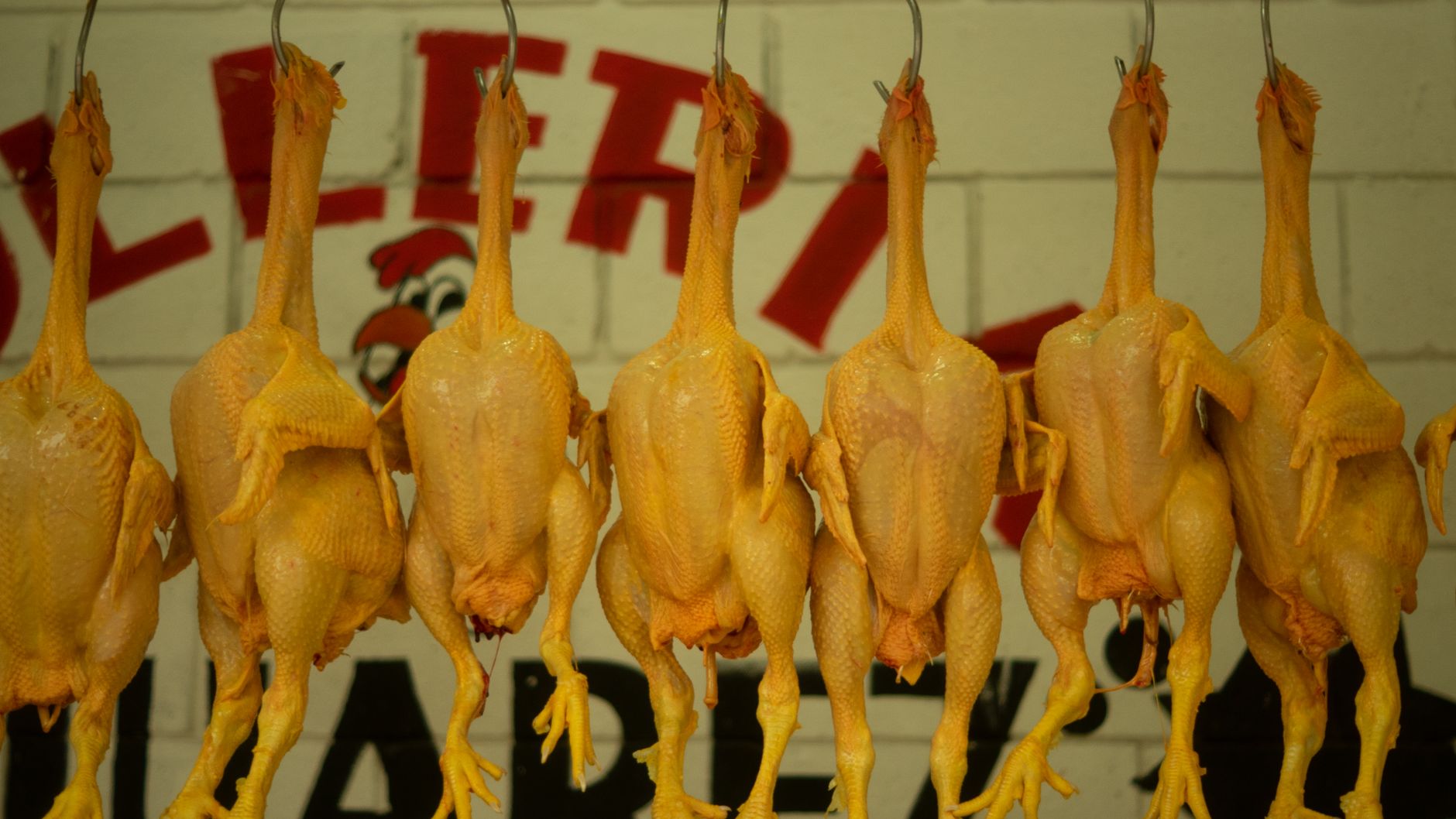
Gizzards are a unique ingredient often overlooked in modern cooking, yet they offer a robust flavor and wonderfully chewy texture. Hailing from poultry, gizzards are muscle organs that play a vital role in the digestive process of birds, making them a source of rich flavor ideal for hearty dishes.
While often found in rural and traditional cuisines, gizzards are gaining popularity in various culinary contexts. This article will delve into what gizzards are, how to prepare them, cooking methods, and delicious recipes to enjoy their unique qualities.
What Is a Gizzard?
A gizzard is a specialized part of a bird’s digestive system, primarily found in species such as chickens, turkeys, ducks, and even geese. Essentially, it is a muscular pouch that grinds up food before it moves further into the intestines. Birds lack teeth, so they use gizzards (often containing small stones or grit) to help break down hard food items.
Gizzards are dark meat, which can be richer and denser than the white meat found in poultry breasts. They provide high protein content and contain essential vitamins and minerals, making them a nutritious option.
Flavor and Texture of Gizzards
The flavor of gizzards is often described as rich and slightly gamey, with a distinct savoriness typical of organ meats. Their texture is unique; they are firm, requiring a bit of chewing, and can be both tender and chewy when cooked properly. The meat benefits from long, slow cooking times or high-heat methods that develop its deep flavor and satisfying richness.
How to Choose and Prepare Gizzards
When selecting gizzards, look for fresh, firm pieces without any discoloration or unpleasant odors. They should have a slightly shiny surface and a deep color, typical of organ meats. Gizzards can often be found in ethnic markets or the frozen section of grocery stores.
Cleaning Gizzards
Before cooking gizzards, they need to be properly cleaned. Here’s how:
- Rinse the gizzards under cold running water to remove any blood or impurities.
- Using a sharp knife, trim away any excess fat, connective tissue, or membranes that may be present.
- For tougher gizzards, it can be beneficial to soak them in salted water for a few hours to help tenderize them.
Cooking Methods for Gizzards
Gizzards can be cooked using various methods, each imparting different flavors and textures. Here are some popular cooking techniques:
1. Boiling
Boiling is an excellent method for preparing gizzards, especially if you are using them in soups or stews. This process also helps tenderize the meat.
- Place cleaned gizzards in a pot and cover them with water.
- Add seasonings like garlic, bay leaves, onion, or herbs for extra flavor.
- Bring the water to a boil, then reduce the heat to a simmer.
- Cook for about 1-2 hours or until they are tender.
2. Sautéing
Sautéing gives gizzards a crispy exterior while retaining their tender interior. This method works well for dishes that highlight the gizzards’ flavor.
- Slice the cleaned gizzards into bite-sized pieces.
- In a skillet, heat oil over medium-high heat.
- Add gizzards and sauté for about 5-7 minutes until golden brown.
- Season with salt, pepper, and other spices as desired.
3. Frying
Fried gizzards are a classic dish, especially in Southern cuisine. This method adds crunch and richness.
- Prepare a breading mixture with flour, cornmeal, and spices.
- Coat the cleaned gizzards in the breading mixture.
- Heat oil in a deep fryer or skillet to 350°F (175°C).
- Fry the gizzards until golden brown and cooked through, about 5-7 minutes.
4. Stewing
Stewing gizzards allows them to absorb flavors from the broth and tenderize beautifully. This method yields a warming, hearty dish.
- Brown gizzards in a pot with oil, similar to sautéing.
- Add onions, garlic, and other vegetables of choice.
- Pour in broth or water until the gizzards are covered.
- Add herbs, salt, and pepper, then cover and simmer for 1-2 hours.
Delicious Gizzard Recipes
Incorporating gizzards into meals can be a delightful experiment. Below are a few recipes that showcase their versatility and unique flavor.
1. Southern Fried Gizzards
This recipe highlights the crispy, golden exterior of fried gizzards, typically served with hot sauce or as part of a hearty meal.
Ingredients:
- 1 pound chicken gizzards, cleaned and trimmed
- 1 cup buttermilk
- 1 cup all-purpose flour
- 1/2 cup cornmeal
- 1 teaspoon garlic powder
- 1 teaspoon paprika
- Salt and pepper to taste
- Vegetable oil for frying
Method:
- Soak gizzards in buttermilk for at least 2 hours in the refrigerator.
- In a separate bowl, mix together flour, cornmeal, garlic powder, paprika, salt, and pepper.
- Heat oil in a deep fryer or large skillet to 350°F (175°C).
- Coat the gizzards with the flour mixture, shaking off excess.
- Fry the gizzards in batches until golden brown, about 5-7 minutes.
- Drain on paper towels and serve hot.
2. Gizzard Stew
This hearty stew makes a comforting dish perfect for cooler days, featuring tender gizzards and rich flavors.
Ingredients:
- 1 pound chicken gizzards, cleaned and chopped
- 1 onion, chopped
- 2 carrots, sliced
- 2 celery stalks, sliced
- 4 cups chicken broth
- 2 cloves garlic, minced
- 1 teaspoon thyme
- Salt and pepper to taste
- 2 tablespoons vegetable oil
Method:
- In a large pot, heat oil over medium-high heat. Add gizzards and brown them for about 5 minutes.
- Add onions, celery, and carrots. Cook for another 5 minutes until slightly softened.
- Stir in garlic and thyme; cook for 1 minute.
- Add chicken broth, salt, and pepper. Bring to a boil.
- Reduce heat and simmer for 1-2 hours, or until gizzards are tender.
3. Gizzard Salad with Lemon Vinaigrette
For a lighter option, try a salad featuring sautéed gizzards combined with crunchy vegetables and tangy dressing.
Ingredients:
- 1 pound chicken gizzards, cleaned and sliced
- 4 cups mixed greens
- 1 cucumber, sliced
- 1 bell pepper, diced
- 1/4 cup olive oil
- Juice of 1 lemon
- Salt and pepper to taste
Method:
- Sauté gizzards in olive oil over medium heat until cooked through, about 8-10 minutes.
- In a large bowl, combine mixed greens, cucumber, and bell pepper.
- Add cooked gizzards and toss to combine.
- Drizzle with lemon juice and season with salt and pepper before serving.
Common Mistakes When Cooking Gizzards
While gizzards can be a delightful addition to meals, there are some common pitfalls to avoid to ensure they shine in any dish.
- Underestimating Cooking Time: Gizzards require longer cooking times to tenderize. Rushing this can lead to a tough texture.
- Neglecting Flavoring: Without proper seasoning or marinade, gizzards can taste bland. Use spices and herbs liberally to enhance their flavor.
- Improper Cleaning: Failing to clean gizzards properly can leave unwanted flavors. Always rinse and trim effectively.
Creative Substitutions for Gizzards
If you’re looking to experiment or can’t find gizzards, here are some suitable alternatives:
- Poultry Hearts: Similar in texture and flavor, poultry hearts can act as a suitable substitute in most gizzard recipes.
- Other Organ Meats: Liver or kidney can offer rich flavors, though they will change the dish’s overall taste and texture.
- Chicken Thighs: While not as chewy, chicken thighs can still provide a similar richness and flavor if other substitutes aren’t available.
Storage and Reheating Tips
Proper storage and reheating can extend the shelf life of cooked gizzards. Here are some effective methods:
- Refrigeration: Store cooked gizzards in an airtight container in the fridge for up to 3 days.
- Freezing: For longer storage, freeze cooked gizzards for up to 3 months. Ensure they are properly sealed to prevent freezer burn.
- Reheating: Gizzards can be reheated in the oven, skillet, or microwave until heated through. Ensure they reach an internal temperature of 165°F (74°C) before consuming.
Conclusion
Gizzards may not be the first ingredient that comes to mind, but they can add depth and flavor to a variety of dishes. With rich taste and firm texture, they deserve a place in your kitchen repertoire. Whether you fry them, stew them, or toss them into a salad, gizzards can transform a meal.
Explore more about cooking techniques, ingredient guides, or recipe ideas to make the most of what your kitchen has to offer. Look for frying tips, hearty stew recipes, or explore different organ meats for diverse culinary experiences.