
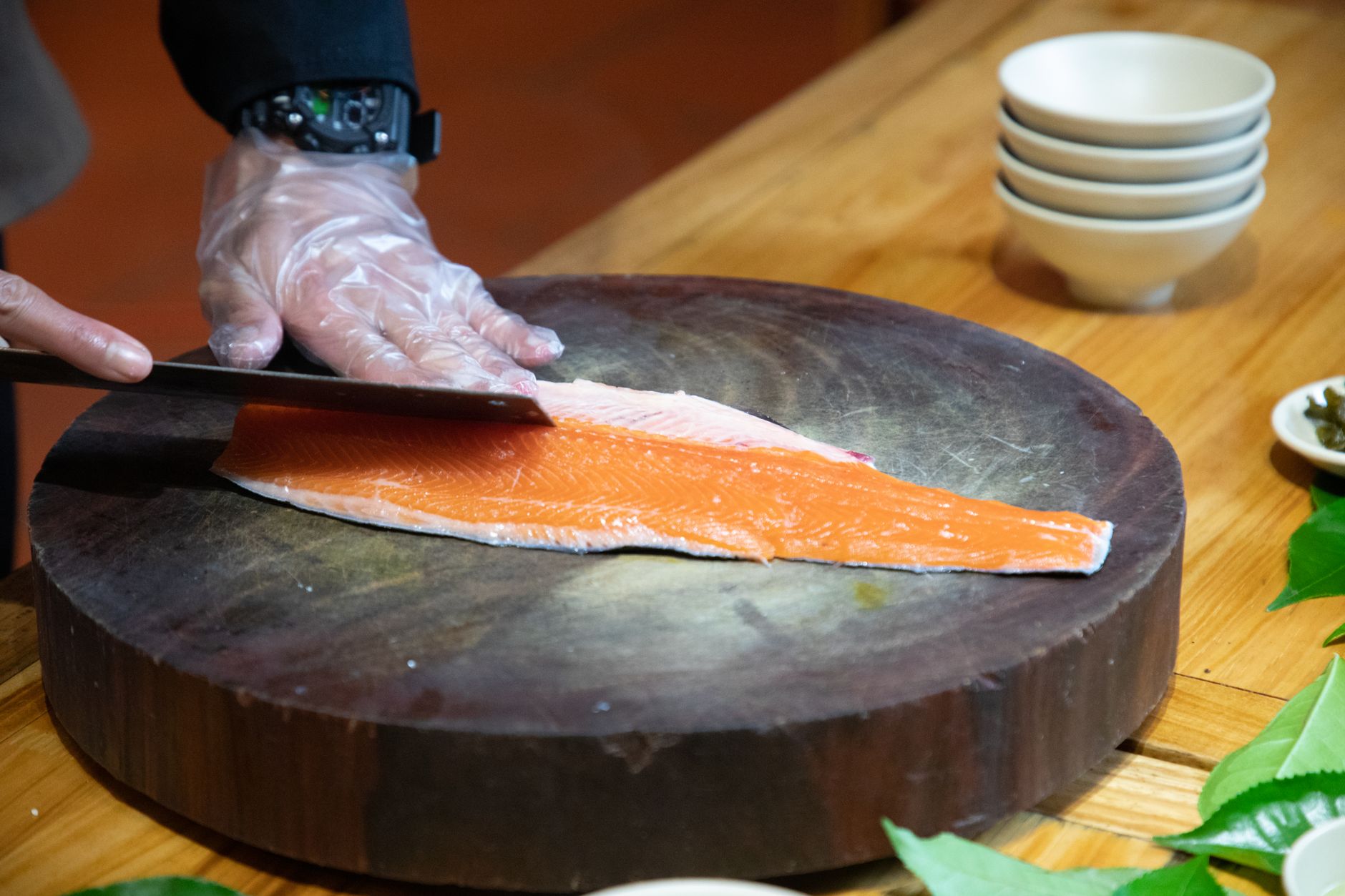
Faroe Island salmon is a premium farmed fish known for its rich flavor and tender texture. Raised in the pristine waters of the Faroe Islands, it offers a unique taste that sets it apart from other salmon varieties.
This article will explore the characteristics of Faroe Island salmon, its culinary uses, and practical tips for selecting, cooking, and storing this exquisite seafood.
What Is Faroe Island Salmon?
Faroe Island salmon is Atlantic salmon (Salmo salar) raised in the remote and clean waters surrounding the Faroe Islands, an archipelago located between Iceland and Norway. The unique geographic location and strict aquaculture practices result in fish that is not only flavorful but also sustainable.
The farms are designed with the environment in mind, using natural currents and temperatures to promote healthy growth. This region’s clear blue waters contribute to the salmon’s outstanding quality, ensuring a firm texture and rich flavor profile.
Taste and Texture
The taste of Faroe Island salmon is distinguished by its high-fat content, which gives it a buttery richness that melts in your mouth. The flesh is typically a vibrant pink due to its diet, which includes high-quality feed enriched with natural pigments to enhance its color.
Texture-wise, it is firm yet flaky, making it suitable for various cooking methods. Whether grilled, baked, or smoked, Faroe Island salmon holds its shape well and absorbs marinades beautifully, enhancing its flavor further.
Flavor Profile
When tasting Faroe Island salmon, you will notice:
- A rich, buttery taste with a subtle sweetness.
- Flakes that are tender and easily separable, providing a satisfying mouthfeel.
- The absence of a fishy aftertaste, which is often a concern with other salmon types.
Cooking Uses
Faroe Island salmon is versatile in the kitchen and can be prepared in numerous ways, including:
- Grilling: Its high-fat content makes it perfect for grilling, allowing for a crispy exterior while maintaining moisture inside.
- Baking: Baking in the oven with herbs and lemon preserves its delicate flavor and tenderness.
- Smoking: The rich taste lends itself well to smoking, resulting in a unique dish suited for appetizers or main courses.
- Sous Vide: Cooking sous vide allows for precise temperature control, ensuring the fish is cooked perfectly without losing moisture.
Purchasing Faroe Island Salmon
When shopping for Faroe Island salmon, consider the following tips:
- Look for fish labeled as “Farmed Faroe Island Salmon” to ensure authenticity.
- Check for sustainability certifications such as the ASC (Aquaculture Stewardship Council) or BAP (Best Aquaculture Practices).
- Choose salmon that appears moist with a consistent pink color and no browning or discoloration.
- Smell the fish; it should have a fresh, clean scent without any strong fishy odor.
Cooking Techniques for Faroe Island Salmon
There are various cooking techniques to prepare Faroe Island salmon. Below, we detail several methods to enhance its flavor and texture.
Grilling
Grilling is a popular method that brings out the natural flavors of the salmon. Follow these steps:
- Preheat your grill to medium-high heat (about 375°F to 400°F).
- Brush the salmon fillets with olive oil and season with salt and pepper.
- Place the salmon skin-side down on a greased grill grate.
- Grill for about 6-8 minutes, then carefully flip and grill for another 4-6 minutes.
- The salmon is done when it flakes easily with a fork and reaches an internal temperature of 145°F.
Baking
Baking Faroe Island salmon allows for a more hands-off approach. Here’s how to do it:
- Preheat your oven to 375°F.
- Line a baking dish with parchment paper or lightly grease it.
- Place the salmon skin-side down and season with your choice of herbs, garlic, and a splash of lemon juice.
- Bake for 15-20 minutes or until the salmon is opaque and flakes easily.
Smoking
Smoking Faroe Island salmon is an excellent way to incorporate unique flavors. To smoke salmon:
- You can either hot smoke or cold smoke the salmon, depending on your preference.
- For hot smoking, preheat your smoker to 180°F to 200°F.
- Season the salmon, then place it in the smoker for about 1-2 hours until fully cooked.
- If cold smoking, it takes longer and requires a lower temperature, so ensure your equipment supports this.
Sous Vide
Sous vide cooking yields perfectly tender and flavorful salmon. Here’s how to do it:
- Preheat your sous vide water bath to 125°F for medium-rare or 140°F for medium.
- Season the salmon and vacuum-seal it in a bag.
- Submerge the bag in the water bath and cook for 45 minutes to 1 hour.
- Sear in a hot pan for 30 seconds to 1 minute on each side for a crispy crust, if desired.
Serving Suggestions
Faroe Island salmon pairs wonderfully with a variety of side dishes and flavors:
- Pair it with fresh vegetables, such as asparagus or green beans, for a light meal.
- Serve it over fragrant rice or quinoa to soak up the flavors.
- Use it as a protein in salads, combining with mixed greens, cherry tomatoes, and a citrus vinaigrette.
- Try it in a classic smoked salmon bagel with cream cheese, capers, and red onions.
Storage and Reheating Tips
Proper storage ensures the quality of Faroe Island salmon.
Storage
- Raw salmon should be stored in the coldest part of the refrigerator and consumed within 1-2 days.
- If not cooked within that timeframe, freeze it. Wrap tightly in plastic wrap and place in a freezer-safe bag.
- Cooked salmon can be refrigerated and stored in an airtight container for up to 3-4 days or frozen for longer storage.
Reheating
When reheating cooked Faroe Island salmon, aim for gentle warming to maintain its moisture:
- Preheat the oven to 275°F.
- Place the salmon in a baking dish, cover with foil, and heat for about 15-20 minutes.
- Alternatively, gently heat on the stovetop in a covered skillet over low heat for a few minutes.
Common Mistakes to Avoid
While cooking with Faroe Island salmon, here are some pitfalls to watch for:
- Overcooking the salmon can lead to a dry texture; always monitor cooking times and temperatures.
- Using overly strong seasonings can overpower its natural flavor. Opt for herbs and citrus to enhance rather than mask.
- Skipping the skin can lead to a loss of flavor and texture. The skin crisps beautifully and adds an extra layer of flavor.
Conclusion
Faroe Island salmon is a true culinary delight, thanks to its rich flavor and versatility in cooking. By understanding its unique qualities, you can elevate your meals and impress your guests.
Ready to incorporate Faroe Island salmon into your dishes? Explore our related cooking tips, ingredient guides, and more to expand your culinary repertoire. Check out how long to cook tilapia for easy meal planning, or learn if smoked salmon is raw for careful preparation.