
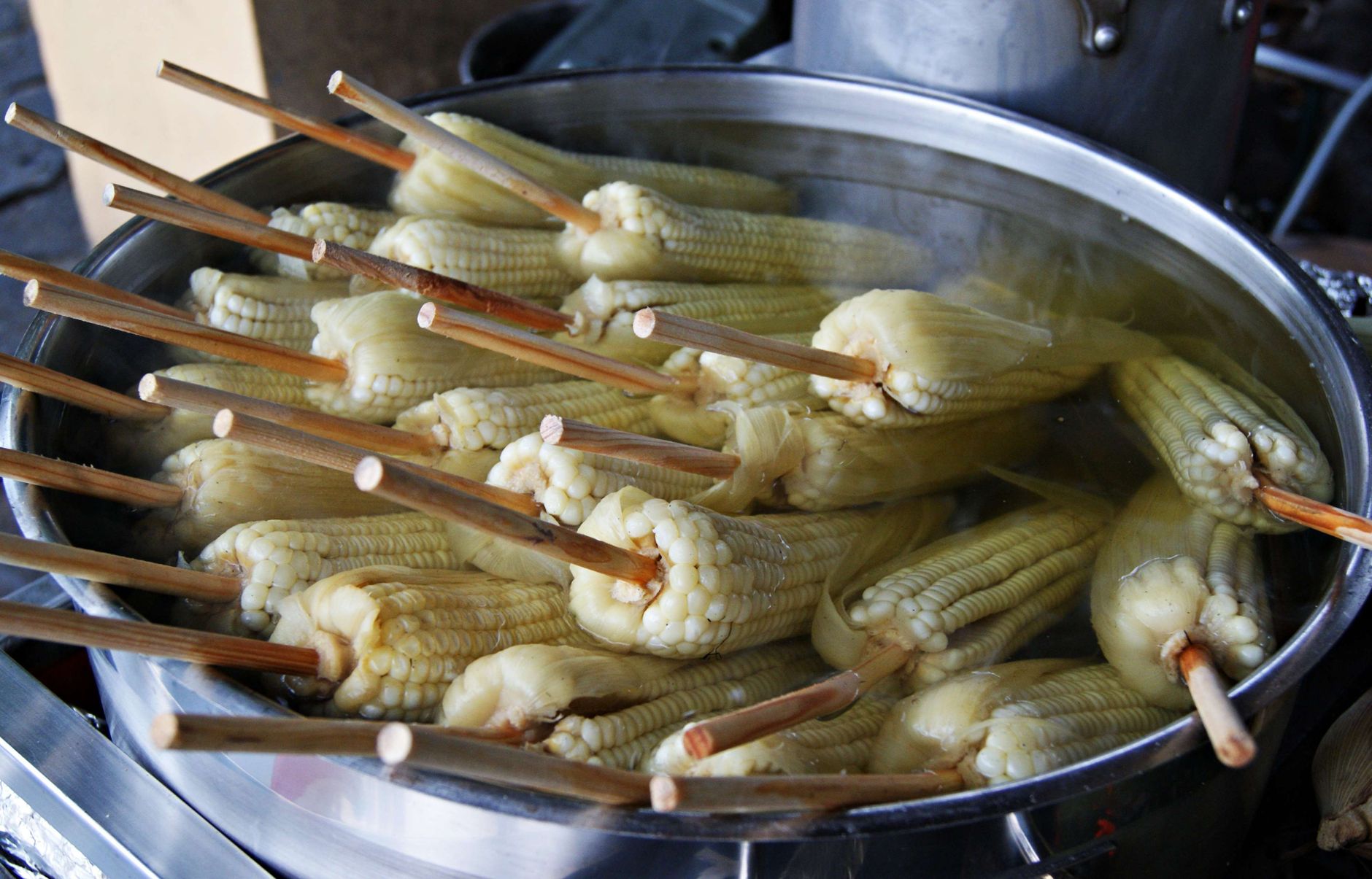
Corn on the cob is a seasonal delight that many look forward to during the warmer months. Whether you’re hosting a summer barbecue, enjoying a family picnic, or just craving a taste of summertime, perfectly cooked corn can elevate your meal. However, figuring out how long to cook corn on the cob can be surprisingly tricky.
In this guide, we’ll answer the burning question: how long should you cook corn on the cob? We will explore cooking times, methods, and tips to ensure your corn comes out tender and bursting with flavor.
How Long Should You Cook Corn on the Cob?
The cooking time for corn on the cob varies based on the method you choose. Generally, you should cook fresh corn on the cob for about 4 to 7 minutes in boiling water, while steaming can take around 6 to 8 minutes. Grilling can take about 10 to 15 minutes, depending on your grill’s heat. The key is to make sure the corn is tender but not mushy.
Choosing Fresh Corn
Before you even think about cooking, the first step is to choose the best ear of corn. Look for fresh corn with bright green husks and golden silk. The kernels should feel plump and firm when you squeeze the ear. Avoid corn with dry or brown husks, as this may indicate it is past its prime.
Cooking Methods for Corn on the Cob
There are several methods to cook corn on the cob, each offering a slightly different taste and texture. Let’s delve into the most common methods and their respective cooking times.
Boiling Corn on the Cob
Boiling is perhaps the most traditional method for cooking corn on the cob. It allows for quick cooking and can produce sweet, juicy corn. Here’s how to do it:
- Fill a large pot with water and add a pinch of salt. Bring to a boil.
- Remove the husk and silk from each ear of corn.
- Add the corn to the boiling water and cover the pot.
- Cook for 4 to 7 minutes, depending on the size and freshness of the corn.
- Remove the corn with tongs and let it cool slightly before serving.
Note: If you prefer your corn sweeter, you can add sugar to the boiling water, but be aware that this can also caramelize the kernels if overcooked.
Steaming Corn on the Cob
Steaming corn on the cob preserves more nutrients and can yield a sweeter flavor. To steam corn:
- Fill a pot with two inches of water and bring it to a boil.
- While the water heats, husk the corn and remove the silk.
- Place the corn in a steaming basket above the boiling water.
- Cover the pot and steam for about 6 to 8 minutes.
- Carefully remove the corn when done, allowing the steam to escape before lifting the lid.
Grilling Corn on the Cob
Grilling adds a smoky flavor that many find irresistible. Here’s how to achieve perfectly grilled corn:
- Preheat your grill to medium-high heat.
- Husk the corn, removing the silk. If desired, you can soak the corn in water for about 30 minutes to keep it moist while grilling.
- Wrap the corn in aluminum foil or place it directly on the grill.
- Grill for about 10 to 15 minutes, turning occasionally until the kernels are tender.
- Remove from the grill and let cool before serving.
Microwaving Corn on the Cob
If you’re short on time, the microwave method is a quick and easy option:
- Husk the corn and remove the silk.
- Wrap the corn in a damp paper towel.
- Place it in the microwave and cook on high for about 3 to 5 minutes, checking for doneness after three minutes.
- Carefully unwrap the corn—steaming hot!
Tips for Cooking Perfect Corn on the Cob
To ensure your corn is delicious and cooked to perfection, consider these practical tips:
- Cook corn as soon as possible after purchasing. Fresh corn loses sweetness quickly.
- Do not overcook your corn; this can lead to tough and chewy kernels.
- If boiling corn, avoid adding oil or fat to the water, as this will hinder the corn from absorbing the flavors.
- Consider adding flavorings like butter, herbs, or spices after cooking to enhance the taste.
- For a fun twist, try roasting corn in the husk for additional flavor and moisture.
FAQs About Cooking Corn on the Cob
Here are some frequently asked questions regarding cooking corn on the cob:
Should You Soak Corn on the Cob Before Cooking?
It’s not necessary to soak corn before cooking, but it can help retain moisture, particularly when grilling. Soaking in water for about 30 minutes before grilling may yield juicier kernels.
Can You Cook Corn on the Cob with the Husk On?
Yes, you can cook corn with the husk on. This is especially common when grilling, as it helps keep the corn moist. However, be sure to wash the corn to remove any dirt or silk.
How Do You Know When Corn on the Cob is Done?
Fresh corn is done when it turns a bright yellow color and is tender when pierced with a fork or knife. Remember to taste test a kernel to ensure it has the desired crunch and sweetness.
Creative Ways to Serve Corn on the Cob
Corn on the cob is incredibly versatile and can be served in various ways. Here are some ideas:
- Classic Butter and Salt: The simplest preparation is to slather the corn with salted butter after cooking.
- Chili Lime Corn: Sprinkle with chili powder and squeeze fresh lime juice for a Mexican-inspired treat.
- Herbed Corn: Toss with fresh herbs like basil or cilantro, along with olive oil and Parmesan cheese.
- Cheesy Corn: Grate some cheese over hot corn or make Mexican elote with cotija cheese, mayonnaise, and chili.
Storing Leftover Corn on the Cob
If you find yourself with leftover corn on the cob, proper storage is key to keeping it fresh. Here’s how to store it:
- Allow the corn to cool completely.
- Wrap each ear tightly in plastic wrap or aluminum foil, or place them in an airtight container.
- Store in the refrigerator for up to three days.
Leftover corn can also be cut off the cob and frozen for later use in salads, soups, or salsas. To do so, blanch the corn for a few minutes, let it cool, and then freeze in a single layer on a baking sheet before transferring to a freezer bag.
Common Mistakes When Cooking Corn on the Cob
Here are a few common pitfalls to avoid when preparing corn:
- Overcooking: This is the most frequent mistake that ruins corn. Stay vigilant and taste as you go.
- Under-seasoning: Don’t forget to season your corn well after cooking; this can make a significant difference in flavor.
- Cooking from frozen: While you can cook frozen corn, it will not have the same texture as fresh corn, and the cooking time will differ.
- Not using enough water: If boiling, ensure that you have enough water in the pot to allow for even cooking.
Conclusion
When it comes to cooking corn on the cob, the right method and timing can make all the difference. Whether you prefer it boiled, grilled, or steamed, knowing how long to cook it will help you achieve the perfect balance of tenderness and flavor. Enjoy your sweet summer corn as a tasty side or a delightful snack!
For more ideas on using corn in different ways, check out these delicious recipes: corn pudding and corn souffle.