
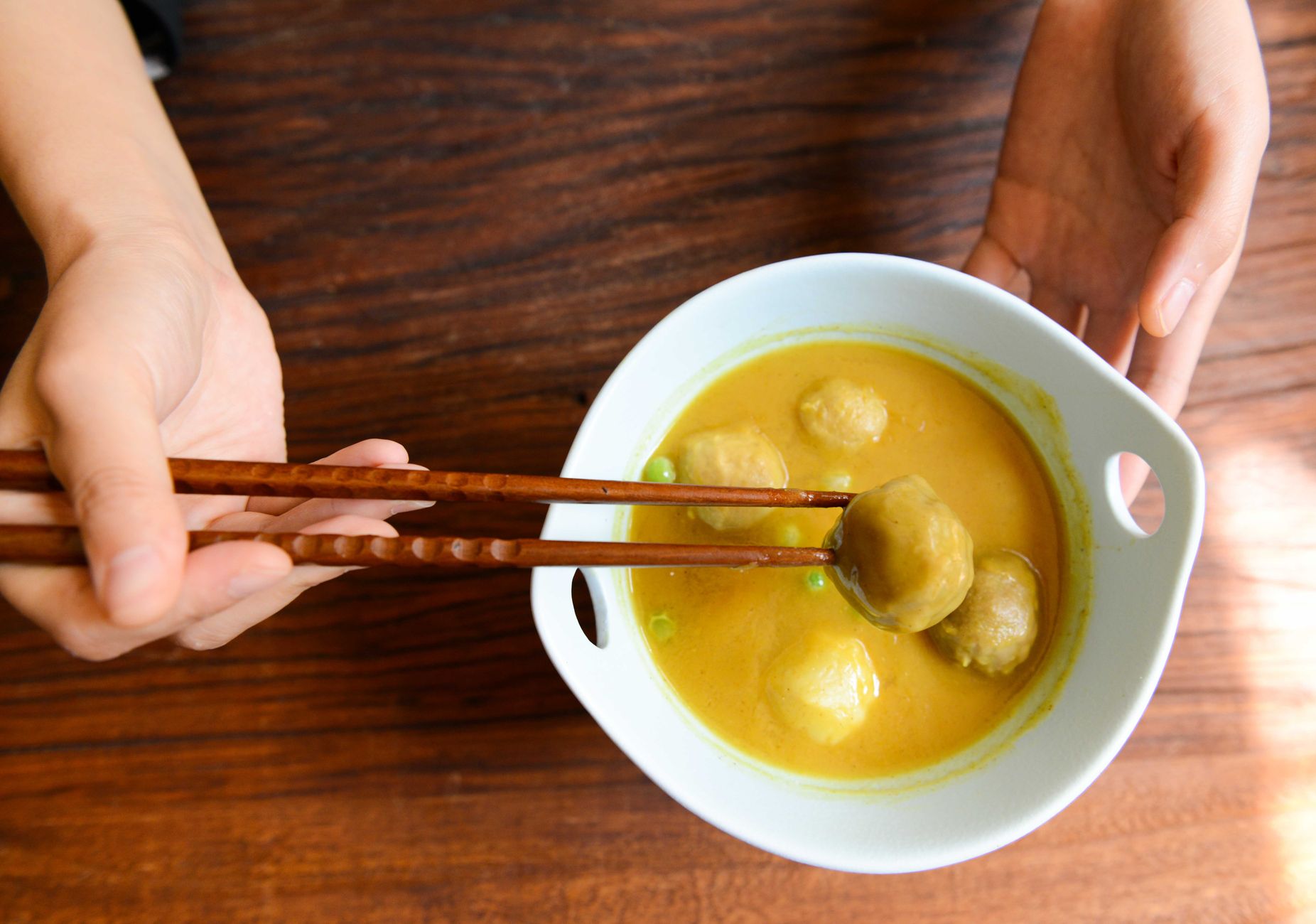
Fish balls are a popular seafood delicacy made primarily from fish paste, often mixed with starch and seasonings. They are beloved in various cuisines across Asia and beyond, celebrated for their versatility and unique texture. These chewy, savory treats can be enjoyed on their own or as part of larger dishes, making them a favorite among seafood enthusiasts.
Whether served in soups, hot pots, or grilled skewers, fish balls offer a delightful blend of flavors. This comprehensive guide will cover everything you need to know about fish balls, including their ingredients, flavor profiles, cooking methods, and serving suggestions.
What Are Fish Balls?
Fish balls are spherical-shaped dumplings made from minced fish that has been blended with seasonings and starch to create a smooth, elastic texture. They are a staple in many Asian countries, especially in Chinese, Thai, and Vietnamese cuisines. The fish used can vary, but common choices include white fish like tilapia, pollock, and cod.
These delightful balls are typically boiled or steamed, which gives them a firm yet chewy texture. Depending on the region, fish balls may also be deep-fried or char-grilled, resulting in crispy exteriors. The versatility of fish balls makes them suitable for various dishes, ranging from soups and broths to stir-fries and appetizers.
Ingredients of Fish Balls
While the precise ingredients can vary by recipe, the core components of fish balls generally include:
- Fish: Fresh or frozen fillet fish, typically white or light pink varieties, are the primary ingredient.
- Starch: Common starches used include potato starch, tapioca starch, or cornstarch, which help bind the mixture and give it a chewy texture.
- Seasonings: Common seasonings include salt, pepper, sugar, fish sauce, and various spices, depending on the cuisine.
- Water: Water is added to create a smooth paste and adjust the consistency.
- Optional ingredients: Some recipes may include egg for added richness or additional flavorings like garlic or onion.
Flavor Profile of Fish Balls
The flavor of fish balls largely depends on the type of fish used and the seasonings added. Generally, they have a mild, slightly sweet flavor, enhanced by the fish sauce or salt added during preparation. The texture is chewy, which contrasts well with tender ingredients in soup or other dishes.
The combination of fish and starch results in a neutral base that easily adopts the flavors of the broth or sauce with which it is served. This adaptability makes fish balls an excellent complement to strong seasonings, fragrant herbs, and spicy sauces.
How to Make Fish Balls
Making fish balls at home can be a fun and satisfying culinary experience. Below is a simple recipe to guide you through the process, including ingredients, equipment, and method.
Equipment Needed
- Food processor or blender
- Mixing bowl
- Spoon or ice cream scoop
- Large pot for boiling
- Slotted spoon
- Clean work surface for shaping
Ingredients
- 500g white fish fillet (like cod, tilapia, or pollock), skinless and boneless
- 100g potato starch or tapioca starch
- 1-2 tablespoons fish sauce (to taste)
- 1 teaspoon salt
- 1 teaspoon sugar
- ½ teaspoon black pepper
- 100ml cold water (adjust as necessary)
Method
- Prepare the fish: Cut the fish fillet into small chunks to make them easier to blend.
- Blend the ingredients: In a food processor, add the fish chunks, starch, fish sauce, salt, sugar, and pepper. Pulse until you achieve a smooth paste.
- Add water: Gradually add cold water while blending until the mixture is cohesive and smooth but not runny.
- Shape the balls: With wet hands or using a spoon, scoop out portions of the fish mixture and roll them into balls about 2.5–3 cm in diameter.
- Boil the fish balls: In a large pot, bring water to a gentle boil. Carefully drop the fish balls into the water and cook them for about 5–7 minutes until they float. This indicates they are done.
- Remove and serve: Use a slotted spoon to remove the fish balls from the water and let them drain. They are now ready to be served or added to your dish of choice.
Common Mistakes When Making Fish Balls
While making fish balls is straightforward, a few common mistakes can affect the final product:
- Over-blending: Blending the fish too long can result in a paste that is too sticky and hard to shape. Stop blending when the mixture is smooth but still slightly chunky.
- Not adding enough starch: Insufficient starch can lead to fish balls that fall apart during cooking. Adjust the starch amount if the mixture seems too loose.
- Insufficient seasoning: Fish balls can taste bland if not seasoned adequately. Always taste the mixture before cooking to adjust the flavors.
- Boiling at too high a temperature: Cooking fish balls at a rolling boil can lead to them breaking apart. Maintain a gentle simmer throughout cooking.
Cooking Methods for Fish Balls
While boiling is the most common cooking method for fish balls, there are also other methods you can try:
Frying
Deep-frying fish balls gives them a crispy, golden exterior while keeping the inside tender and chewy. To fry, heat oil in a deep pan to about 180°C (350°F). Fry the fish balls in small batches until they are golden brown, about 3-4 minutes. Drain on paper towels before serving.
Grilling
Grilling fish balls adds a smoky flavor and enhances their texture. Preheat your grill to medium heat. Thread the fish balls onto skewers, coat with a little oil, and grill them for about 5-7 minutes, turning frequently, until lightly charred and cooked through.
Steaming
Steaming keeps the fish balls moist while maintaining their delicate texture. Place fish balls in a steamer basket lined with parchment paper (to prevent sticking) and steam over boiling water for about 10 minutes, or until they are cooked through.
How to Serve Fish Balls
Fish balls can be served in various ways, making them a versatile addition to any meal. Here are some serving suggestions:
In Soups
Fish balls are commonly found in flavorful broths, such as Vietnamese pho or Thai tom yum soup. Simply add the cooked fish balls to warm broth along with vegetables, herbs, and noodles for a comforting dish.
As Appetizers
Serve fish balls as an appetizer, either boiled or fried, alongside a dipping sauce. Popular dipping sauces include sweet chili sauce, soy sauce with sesame oil, or a spicy vinegar sauce.
In Hot Pots
Fish balls are a fantastic addition to hot pots, where they are boiled together with various other ingredients like vegetables and tofu in a rich broth. They soak up flavors and enhance the entire meal experience.
In Stir-Fries
Add fish balls to your favorite stir-fry dishes for some extra protein. Their mild flavor pairs well with vibrant vegetables and savory sauces.
Storage and Reheating
If you have leftover fish balls, store them in an airtight container in the refrigerator for up to three days. For longer storage, freeze them after cooking. Place them on a baking sheet to freeze individually before transferring to a freezer bag or container. Frozen fish balls can last for up to three months.
To reheat, you can either steam them or add them directly to a boiling broth. If you’re using frozen fish balls, do not thaw them before reheating; simply cook them for a few minutes longer.
Variations and Substitutions
Fish balls offer ample opportunities for creativity with flavors and ingredients. Here are some variations and substitutions you may consider:
Different Fish Types
While white fish is the most common choice, you can experiment with different fish types, such as salmon or tuna, for unique flavors. Just be aware that oilier fish may change the texture and flavor profile.
Vegetarian Alternatives
For a vegetarian option, you can use mashed tofu or a blend of vegetables and plant-based protein. The texture will vary, but the method remains similar: blend the ingredients and shape them into balls before cooking.
Seasoning Variations
Change up the seasonings to suit your taste preferences. You can add fresh herbs, chili flakes for heat, or even lime zest for a citrus twist.
Conclusion
Fish balls are a delightful and versatile dish that can be enjoyed in many different culinary contexts. Understanding the ingredients, cooking methods, and serving options will enhance your experience with this seafood delicacy.
Ready to make fish balls at home? Explore related guides such as what is fish cake and a delicious seafood boil sauce recipe for more culinary ideas. Enjoy your cooking adventure!