
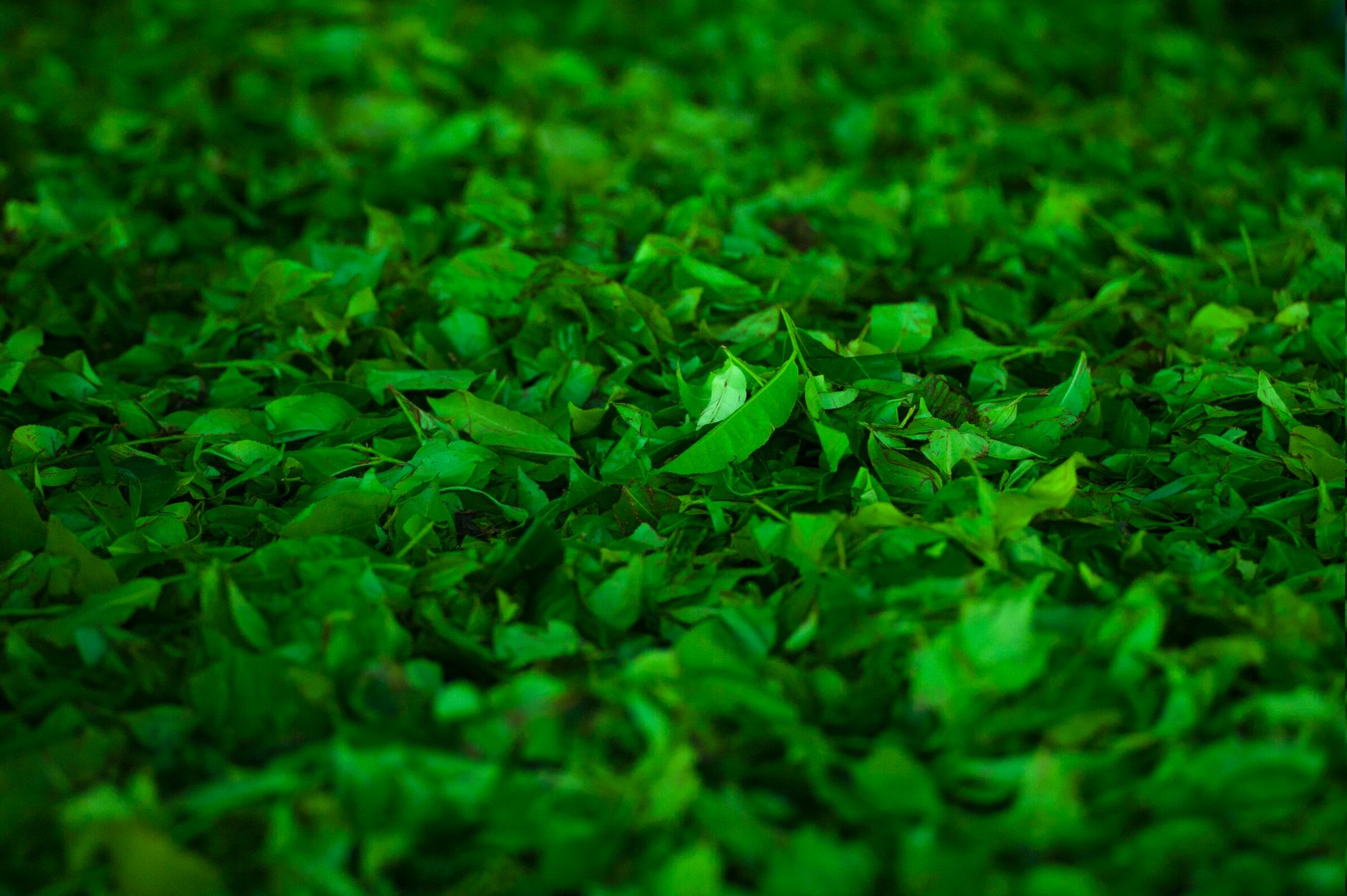
Ceylon tea is a distinguished black tea originating from Sri Lanka, formerly known as Ceylon. Renowned for its rich flavor and vibrant aroma, it serves as a versatile beverage, enjoyed both hot and iced. This guide explores the characteristics of Ceylon tea, its unique flavor profiles, how to serve it, and tips on choosing the best varieties.
This article delves into the types of Ceylon tea, its natural ingredients, recommendations on serving methods, and practical storage tips, making it a comprehensive resource for tea enthusiasts and novices alike.
What Is Ceylon Tea?
Ceylon tea refers to a variety of black tea produced in Sri Lanka, known for its bright, bold flavor and varying profiles depending on the region where it’s grown. The tea is made from the leaves of the Camellia sinensis plant and can be categorized mainly into three growing regions: Nuwara Eliya, Darjeeling and Uva.
The classification of Ceylon tea not only highlights the geographic diversity but also emphasizes the distinct flavors each region imparts to the tea. Harnessing the unique climatic conditions found in Sri Lanka—ranging from high elevations to monsoon climates—Ceylon tea is celebrated for its quality and variety.
Understanding the Ingredients of Ceylon Tea
The main ingredient in Ceylon tea is the tea leaves derived from the Camellia sinensis plant. Some characteristics that make Ceylon tea unique include:
- Leaf Quality: Ceylon tea leaves are usually made from the top two leaves and the bud of the plant, which are hand-picked to ensure superior quality.
- Processing: After picking, leaves undergo oxidation, which transforms them into black tea. This process influences the flavor, aroma, and color of the tea.
- Flavors: The tea can exhibit a range of flavors—citrusy, floral, and sometimes malty—depending on the region of cultivation.
- Herbal Additives: Some Ceylon teas might include herbs or flavors, such as lemon or bergamot, in blends.
The Flavor Profiles of Ceylon Tea
Ceylon tea is known for its complex flavor profiles, which can differ significantly based on the region of production:
Nuwara Eliya
Tea from this high-altitude region is often light and delicate, with floral and fruity notes. It is also characterized by a natural sweetness, making it an ideal choice for afternoon tea.
Uva
Uva teas are robust with strong, rich flavors, typically exhibiting a slightly astringent quality. The aroma is often fragrant, with hints of spiciness and cedar, providing a unique tasting experience.
Darjeeling
Ceylon tea from Darjeeling is recognized for its muscatel flavor, giving it a veritable range of sweet, fruity and sometimes earthy tones. It offers a mild flavor profile, perfect for those who appreciate nuanced teas.
How to Serve Ceylon Tea
Preparing and serving Ceylon tea can be a ceremonial experience, highlighting its flavors and aromas.
Brewing Ceylon Tea
- Ingredients:
- 1 teaspoon of Ceylon tea leaves per cup
- Fresh, filtered water
- Equipment:
- Teapot or infuser
- Teacup
- Kettle
- Start by boiling fresh, filtered water in a kettle. The ideal temperature for brewing black tea is around 200°F to 212°F (93°C to 100°C).
- Measure one teaspoon of Ceylon tea per cup and place it in your teapot or infuser.
- Once the water is boiled, pour it over the tea leaves.
- Let the tea steep for 3 to 5 minutes. Adjust the steeping time to achieve your preferred strength.
- Strain the tea into your cup, discarding the leaves.
- Enjoy the tea plain, or add a splash of milk or a slice of lemon for additional flavor.
Serving Suggestions
Ceylon tea can be enjoyed in various ways:
- Plain: To appreciate the pure flavor, serve it hot without any additives.
- Add Milk: A splash of milk can enhance creaminess and mellow spicy notes.
- Citrus Twist: Adding lemon or orange slices can brighten the flavor and provide a refreshing experience.
- Iced Tea: Brew a strong batch of Ceylon tea, cool it, and serve over ice for a delicious iced tea option.
Choosing the Right Ceylon Tea
The selection of the right Ceylon tea can significantly enhance your experience. Here are a few tips:
- Check the Label: Look for single-origin teas. This ensures you’re getting a specific type of Ceylon tea indicative of its regional flavor.
- Loose Leaf vs. Bagged: Loose leaf Ceylon tea often delivers a more powerful flavor compared to tea bags. Choose quality loose-leaf options for the best experience.
- Freshness: Buy your tea from reputable sources and check the roast date. Fresher tea typically has better flavor and aroma.
Storing Ceylon Tea
Proper storage of Ceylon tea ensures that it maintains its rich flavors and optimal quality over time.
- Airtight Container: Store tea in a cool, dark place in an airtight container to prevent exposure to moisture and light.
- Avoid Stale Orders: Only buy in quantities that will be consumed within a few months for the best taste experience.
Common Mistakes in Brewing and Enjoying Ceylon Tea
Whether you’re new to Ceylon tea or a seasoned drinker, it’s easy to make mistakes. Here are some to avoid:
- Incorrect Water Temperature: Using water that is too cool won’t extract the tea’s full flavor and richness.
- Over-Steeping: Leaving the tea to steep too long can result in bitterness. Time is essential.
- Neglecting Quality: Skipping quality checks on tea can lead to disappointing flavors. Always choose well-reviewed teas.
Health Factors and Ceylon Tea
Ceylon tea is largely appreciated for its flavor, but it also carries potential health benefits. Though no medical claims are made, some studies suggest that black tea can contribute to hydration and support overall dietary health. However, it is always advisable to consult with healthcare professionals regarding specific health concerns or dietary needs.
Conclusion
Ceylon tea is not just a beverage; it’s a delightful experience that encompasses a broad range of flavors and aromas. The careful selection of ingredients, attention to brewing techniques, and understanding of storage can significantly enhance your appreciation of this iconic tea. As you explore the world of Ceylon tea, continue experimenting with different styles and serving methods to find the perfect cup just for you.
Explore related topics like what is black tea and what is spearmint tea good for to broaden your tea knowledge and enjoyment.