
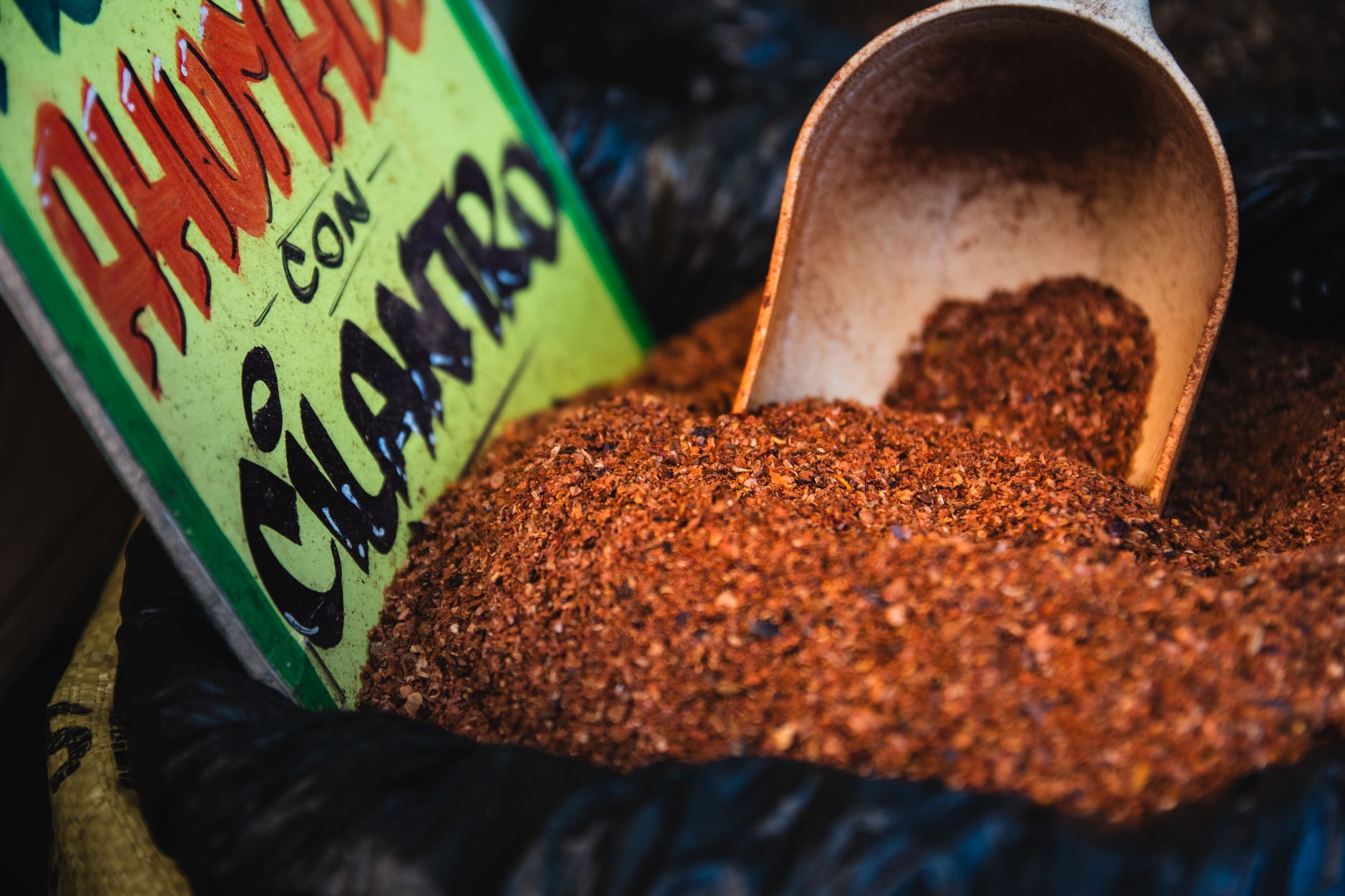
Cilantro, known for its bold flavor and aroma, is a common herb used in many cuisines around the world. While fresh cilantro is widely recognized, dried cilantro is often used in cooking as a substitute or addition to enhance flavors. Understanding what dried cilantro is called and how to use it can elevate your culinary skills.
Dried cilantro is commonly referred to as coriander leaf or simply as dried cilantro in culinary contexts. The plant from which cilantro is derived is actually called Coriandrum sativum, and along with the leaves, it produces seeds known as coriander seeds. These seeds are different from the leaves but are often confused with the term “coriander.”
What Is Dried Cilantro Called?
Dried cilantro is usually referred to as “coriander leaf” in many culinary texts. It is the dehydrated form of the fresh cilantro leaves, used for flavoring in various dishes. This term is used particularly in regions where both the leaves and seeds of the coriander plant are commonly utilized.
The Origins of Cilantro and Dried Cilantro
The use of cilantro traces back thousands of years, originating from regions such as the Mediterranean and the Middle East. Ancient Egyptians valued cilantro for its culinary and medicinal properties, even placing it in tombs for the afterlife. Its popularity spread across continents, being utilized in South Asian, Latin American, and various other culinary traditions.
The concept of drying herbs, including cilantro, has historical roots as well. Drying was one of the primary methods used to preserve herbs before refrigeration was available. This practice allowed cooks to enjoy flavors from their gardens year-round, making dried cilantro a practical ingredient.
How Dried Cilantro Differs from Fresh Cilantro
Both dried cilantro and fresh cilantro lend distinct flavors to dishes, but they have notable differences:
- Flavor: Fresh cilantro has a bright, citrusy flavor that can brighten dishes, while dried cilantro offers a more subtle, earthy, and muted flavor profile.
- Texture: Fresh cilantro leaves are tender and vibrant, whereas dried cilantro becomes brittle and concentrated in flavor when dehydrated.
- Use in Cooking: Fresh cilantro is often used as a garnish or added at the end of cooking. In contrast, dried cilantro integrates into dishes more thoroughly and is typically added during the cooking process.
Common Culinary Uses of Dried Cilantro
Dried cilantro is versatile and can enhance a variety of dishes:
- Soups and Stews: Adds depth to broths and enhances flavors without overwhelming the dish.
- Sauces and Marinades: Incorporates well into salsas, barbecue sauces, and marinades for meats and vegetables.
- Seasoning Blends: Commonly found in spice mixes, especially for curries and taco seasonings.
- Rice and Grain Dishes: Infuses flavor into pilafs, risottos, and grain salads.
Cooking with Dried Cilantro: Tips and Techniques
Using dried cilantro effectively requires understanding its potency and appropriate timing in cooking:
When to Add Dried Cilantro
Since dried herbs usually have a stronger concentration of flavor, they should be added early in the cooking process. This allows their essence to infuse the dish.
Flavor Pairings
Dried cilantro pairs well with:
- Lime and lemon for a citrusy balance.
- Garlic and onion for a rich base flavor.
- Spices like cumin and chili powder for warmth.
How to Store Dried Cilantro
Proper storage is crucial for maintaining the flavor of dried cilantro:
- Store in an airtight container in a cool, dark place.
- Avoid moisture exposure, as it can lead to clumping and loss of flavor.
- Check for aromatic potency periodically; replace every 1-2 years for the best flavor.
Substituting Fresh Cilantro for Dried Cilantro
If a recipe calls for dried cilantro and you have fresh cilantro on hand, you can make a substitution. Here’s how:
- Use three times the amount of fresh cilantro as the dried version, as dried herbs have a more concentrated flavor. For instance, if a recipe requires 1 teaspoon of dried cilantro, use 3 teaspoons (or 1 tablespoon) of fresh cilantro.
Where to Buy Dried Cilantro
Dried cilantro is widely available in grocery stores and online. It can be found in the spice aisle, often in small jars or bulk bins. When purchasing, look for:
- Products that are free of additives and preservatives.
- Labels indicating a USDA Organic certification for quality assurance.
Common Mistakes with Dried Cilantro
When cooking with dried cilantro, avoiding certain mistakes can enhance your dishes:
- Using too much: Due to its concentrated flavor, overusing dried cilantro can lead to bitterness.
- Adding it too late: If added at the end of cooking, the flavor won’t have the chance to blend well with other ingredients.
- Storing improperly: Not sealing the container properly or exposing it to sunlight can result in a loss of flavor.
Flavor Profile and Aroma of Dried Cilantro
The aroma of dried cilantro is more subtle than that of fresh cilantro but still carries the herb’s signature warm, slightly citrusy scent. The flavor is less bold but more concentrated, providing an earthy richness that complements various savory dishes without overpowering them.
Using Dried Cilantro in Regional Cuisines
Various culinary traditions make use of dried cilantro in unique ways:
Indian Cuisine
Dried cilantro is a common ingredient in Indian cooking, often used in spice blends like garam masala, and is essential in curries, both for its flavor and as a garnish.
Mexican Cuisine
In Mexican cooking, dried cilantro is often used in seasoning blends and marinades, adding a distinctive taste to dishes like tacos, enchiladas, and salsas.
Middle Eastern Cuisine
Middle Eastern dishes, especially in stews and rice preparations, utilize dried cilantro, emphasizing its role as an integral component in spice mixtures alongside other herbs.
Dried Cilantro Versus Other Dried Herbs
In comparison to other dried herbs, dried cilantro stands out due to its distinct flavor profile:
- Versatile Use: Unlike many dried herbs that thrive in specific cuisines, dried cilantro has a wide-ranging appeal across multiple culinary traditions.
- Flavor Balance: While other herbs like basil or oregano have strong dominant flavors, dried cilantro’s balance makes it complement a broader array of dishes.
Incorporating Dried Cilantro into Your Meal Plans
In meal planning, dried cilantro can enhance various recipes without adding significant prep time. Here’s how to incorporate dried cilantro into your weekly dinner routine:
Sample Weekly Meal Plan with Dried Cilantro
| Day | Main Dish | Use of Dried Cilantro |
|---|---|---|
| Monday | Chicken Tacos | Mix in the chicken marinade. |
| Tuesday | Lentil Soup | Add to the pot at the beginning of cooking. |
| Wednesday | Stuffed Peppers | Incorporate into the filling. |
| Thursday | Grilled Vegetable Salad | Sprinkle on top as a finishing touch. |
| Friday | Curry | Stir in while cooking for depth of flavor. |
| Saturday | Rice Pilaf | Mix in while boiling the rice. |
| Sunday | Chili | Season during the simmering stage. |
Conclusion
Dried cilantro, also known as coriander leaf, is a flavorful and versatile herb that can enhance many dishes. Understanding its culinary properties and how to use it effectively can significantly boost your cooking repertoire. Next time you come across a recipe that calls for dried cilantro, don’t hesitate to experiment.
Explore more culinary inspiration with our detailed guides on making chimichurri sauce with cilantro and whipping up a delicious cilantro lime crema for your meals.