
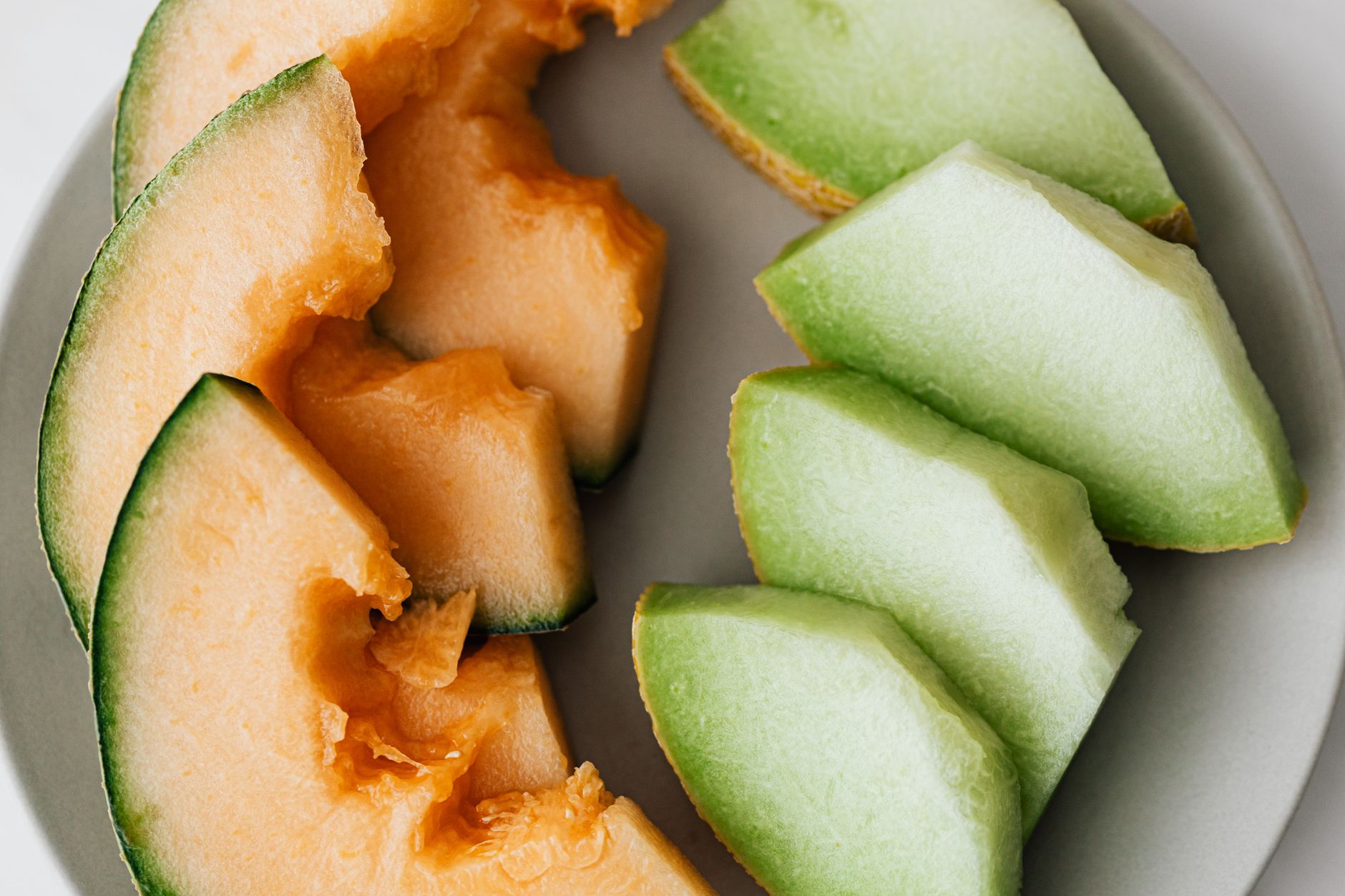
Cantaloupe, a sweet and juicy member of the melon family, is more than just a refreshing summer fruit. Its versatility in the kitchen, combined with its numerous health benefits, makes it a valuable addition to any diet. This article explores the various uses of cantaloupe, ways to incorporate it into meals, and highlights its nutritional advantages.
From breakfast to dessert, cantaloupe can brighten up a meal with its vibrant color and delightful flavor. Let’s delve into what makes this delectable fruit so beneficial and how you can enjoy it in your everyday cooking.
What Is Cantaloupe Good For?
Cantaloupe is good for a variety of culinary uses and nutritional benefits. This fruit is excellent for hydration, low in calories, and rich in vitamins and antioxidants. It can be enjoyed fresh, blended into smoothies, grilled, or even used as a flavor enhancer in salads and salsas.
Nutritional Profile of Cantaloupe
Cantaloupe is a nutrient-dense fruit, making it an ideal choice for those looking to improve their diet. Here’s what you can find in a typical serving of cantaloupe (one cup, diced):
- Calories: 53
- Carbohydrates: 13 grams
- Fiber: 1.4 grams
- Protein: 1.5 grams
- Fat: 0.3 grams
- Vitamin A: 120% of Daily Value (DV)
- Vitamin C: 98% of DV
- Potassium: 422 mg
- Folate: 7% of DV
The high water content (about 90%) of cantaloupe makes it excellent for hydration, particularly during hot weather.
Health Benefits of Cantaloupe
The benefits of incorporating cantaloupe into your diet go beyond just enjoying its taste. Here are some of the key health advantages:
1. Hydration
Due to its high water content, cantaloupe is very hydrating. This quality helps maintain fluid balance, supports digestion, and contributes to overall health.
2. Rich in Vitamins and Antioxidants
Cantaloupe is a powerhouse of vitamins, particularly vitamin A and vitamin C. Vitamin A promotes good vision and skin health, while vitamin C plays a vital role in immune function and skin integrity. The antioxidants in cantaloupe help combat oxidative stress and may reduce the risk of chronic diseases.
3. Low in Calories
With only about 53 calories per cup, cantaloupe is a great option for those looking to satisfy a sweet tooth without consuming too many calories. This makes it a popular choice for snacks and desserts.
4. Supports Digestive Health
The dietary fiber in cantaloupe aids in digestion and helps maintain a healthy gut. Fiber facilitates regular bowel movements and may help prevent constipation.
5. Heart Health
The potassium content in cantaloupe contributes to heart health by helping manage blood pressure levels. By balancing sodium levels in the body, potassium promotes healthy cardiovascular function.
How to Select and Store Cantaloupe
Choosing the right cantaloupe ensures the best flavor and sweetness. Here are some tips:
Selecting Cantaloupe
- Look for a cantaloupe that feels heavy for its size, indicating it’s juicy.
- Choose one with a symmetrical shape and a consistent skin color.
- Smell the blossom end (opposite the stem end); a sweet aroma signifies ripeness.
- Check for a slight give when pressed; this indicates it’s ripe.
Storing Cantaloupe
Cantaloupe can be stored in different ways depending on its ripeness:
- Unripe cantaloupe can be left at room temperature until fragrant and slightly soft—usually a few days.
- Once ripe, it should be refrigerated. Whole cantaloupes can last about 5 days in the fridge.
- Diced cantaloupe should be stored in an airtight container and consumed within 3 days.
Incorporating Cantaloupe into Your Meals
Cantaloupe’s sweet and juicy flesh makes it a versatile ingredient in many dishes. Here are some creative ideas for using cantaloupe in your cooking:
1. Breakfast Enhancements
- Add diced cantaloupe to your morning yogurt or oatmeal for a burst of flavor and nutrients.
- Blend cantaloupe into smoothies with spinach or protein powder for a refreshing breakfast option.
2. Salads and Salsas
Cantaloupe pairs beautifully with savory ingredients. Consider these combinations:
- Cantaloupe and cucumber salad with a light vinaigrette provides a refreshing side dish.
- Make a cantaloupe salsa by combining diced cantaloupe with jalapeños, cilantro, lime juice, and salt for a unique topping on grilled meats or fish.
3. Appetizers
- Wrap cantaloupe slices with prosciutto for an elegant appetizer bursting with flavor.
- Skewer cantaloupe balls with mozzarella and basil for a fresh take on caprese skewers.
4. Grilling
Grilling cantaloupe brings out its natural sweetness and adds a smoky flavor. Here’s how to do it:
- Preheat your grill to medium-high heat.
- Cut cantaloupe into wedges or slices, removing the seeds and rind.
- Brush the slices lightly with olive oil and season with salt and pepper.
- Place directly on the grill and cook for about 3-4 minutes on each side, or until grill marks appear.
- Serve as a side dish or use in salads.
5. Desserts
- Blend cantaloupe into sorbet for a lighter dessert option; simply puree with sugar and freeze until firm.
- Use as a natural sweetener in fruit salads or parfaits.
Cantaloupe Pairings
Cantaloupe’s flavor profile pairs well with several other ingredients. Here are some great combinations:
- Mint: Fresh mint brightens the sweetness of cantaloupe.
- Lime: A squeeze of lime juice enhances the fruit’s sweetness.
- Basil: Sweet and savory basil creates a gourmet touch in salads.
- Cheese: Soft cheeses like feta and ricotta complement cantaloupe’s sweetness.
- Spices: A pinch of chili powder or black pepper can add an exciting twist.
Common Mistakes When Using Cantaloupe
To make the most out of cantaloupe, avoid these common pitfalls:
- Using unripe cantaloupe: It won’t have the sweetness and flavor you seek.
- Not chilling after cutting: Sliced cantaloupe is best enjoyed cold, so refrigerate it if not eating immediately.
- Ignoring food safety: Always wash cantaloupe before cutting to prevent contamination from the skin.
Practical Tips for Cooking with Cantaloupe
Here are some additional tips to keep in mind:
- Experiment with melons: If cantaloupe is unavailable, honeydew or any melon variety can be used similarly.
- Make it a meal prep star: Chop up cantaloupe for an easy addition to lunch boxes or snacks throughout the week.
- Use watermelon rind and cucumber for a refreshing salad that highlights the flavors.
Conclusion
Cantaloupe is a versatile fruit that not only brings a sweet, juicy flavor to a variety of dishes but also offers a host of health benefits. Its high water content helps with hydration, while its rich nutritional profile supports overall health. Embrace the use of cantaloupe in your meals today for a refreshing addition to your culinary repertoire.
To further enhance your cooking experience, consider exploring the benefits of chia seeds for added nutrition or try a delicious chia pudding recipe made with coconut milk as a delightful way to use more fresh ingredients.