
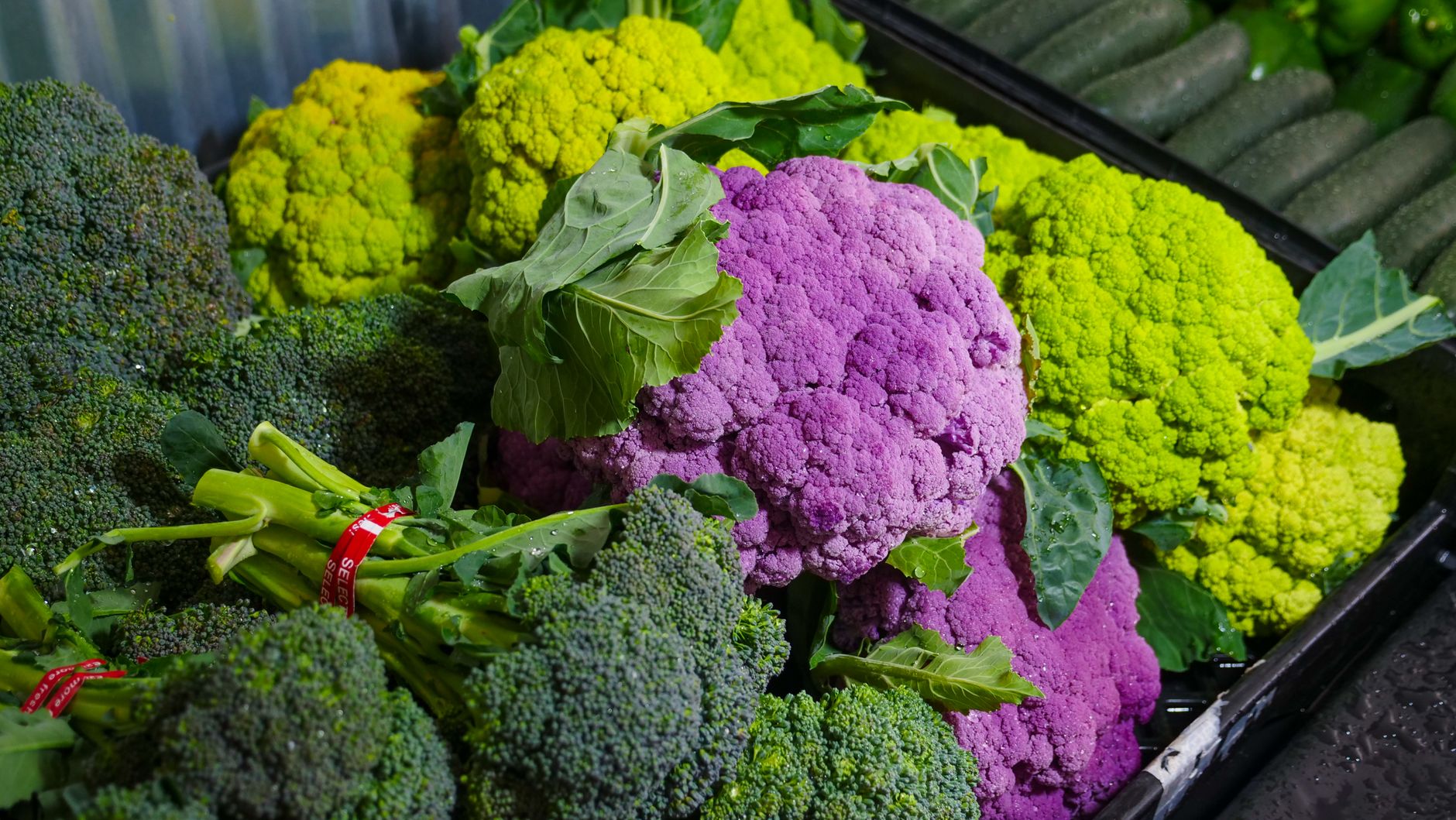
Brassica, a versatile and nutrient-rich group of vegetables, belongs to the Brassicaceae family. Commonly known as cruciferous or cabbage family vegetables, they include favorites like broccoli, cauliflower, kale, and Brussels sprouts. Understanding what Brassica encompasses, along with its flavors and ideal preparations, can elevate your culinary experiences.
This guide will delve into the various types of Brassica, their unique flavor profiles, nutrition benefits, and how to prepare and serve them. Whether you’re incorporating them into everyday meals or exploring new dishes, this comprehensive resource will equip you with essential knowledge about this fascinating vegetable family.
What Is Brassica?
Brassica refers to a genus of plants known for their diverse and delicious vegetables. Key members include cabbage, cauliflower, broccoli, Brussels sprouts, kale, and many others. These vegetables are not only flavorful but also packed with nutritional benefits, making them a staple in various cuisines worldwide.
Key Members of the Brassica Family
Brassica is comprised of a wide variety of vegetables, each with distinct flavors and culinary uses. Here are some notable members:
- Broccoli: This green powerhouse is known for its tree-like structure and earthy flavor. It’s rich in vitamins C and K.
- Brussels Sprouts: These small, round vegetables have a slightly bitter flavor and are often roasted or sautéed to enhance their natural sweetness.
- Cabbage: This leafy vegetable comes in various types, including green, red, and Savoy, and can be used raw in salads or cooked in numerous dishes.
- Cauliflower: Known for its mild flavor and ability to mimic starches, cauliflower can be roasted, steamed, or blended into soups.
- Kale: This leafy green is praised for its robust flavor and nutrient density, making it a popular choice in salads, smoothies, and sautés.
- Collard Greens: Thick and hearty, collard greens are often simmered for a long time to soften their leaves and develop their rich flavors.
- Napa Cabbage: Often used in Asian cuisine, this variety has a milder flavor and crisp texture, ideal for stir-fries and salads.
Flavor Profiles of Brassica Vegetables
The flavor of Brassica vegetables can range from mild and sweet to pungent and bitter, depending on the type and preparation method. Here’s a closer look at their flavor characteristics:
- Broccoli: Typically has a subtle, slightly bitter taste that can become sweeter when roasted.
- Brussels Sprouts: Have a nutty, slightly sweet flavor when cooked properly but can taste bitter if overcooked.
- Cabbage: Raw cabbage is crisp and crunchy with a mild flavor; cooking can enhance its sweetness.
- Cauliflower: Offers a mellow, slightly nutty flavor that absorbs spices well.
- Kale: Has a robust flavor with peppery undertones; younger leaves tend to be milder.
- Collard Greens: Have a rich, earthy flavor that is best complemented with seasonings and slow cooking.
Nutritional Benefits of Brassica Vegetables
Brassica vegetables are renowned for their health benefits, primarily due to their high levels of vitamins, minerals, and antioxidants. Here are some key nutritional benefits:
- Rich in Vitamins: Brassicas are excellent sources of vitamin C, vitamin K, and several B vitamins, supporting immune function, bone health, and energy metabolism.
- High in Fiber: They provide dietary fiber, promoting digestive health and aiding in weight management.
- Antioxidant Properties: Many Brassica vegetables contain antioxidants that may help combat oxidative stress and reduce the risk of chronic diseases.
- Potential Cancer-Fighting Properties: Some studies suggest that compounds found in Brassicas may have protective effects against certain types of cancer.
How to Select Brassica Vegetables
Choosing high-quality Brassica vegetables is essential for maximizing flavor and nutrition. Here are some tips for selecting the best produce:
- Look for Vibrant Colors: Fresh Brassica vegetables often have bright, vibrant colors. Look for deep greens in broccoli and kale, crisp whites in cauliflower, and vivid purples in red cabbage.
- Check for Firmness: Choose firm vegetables without soft spots. For Brussels sprouts, select those that are tightly closed and heavy for their size.
- Inspect Leaves: For leafy varieties like kale and lettuce, avoid any yellowing or wilting leaves.
- Avoid Strong Odors: Fresh Brassica vegetables should have minimal smell. A strong odor can be an indication of age or spoilage.
How to Store Brassica Vegetables
Proper storage is crucial to maintaining the freshness and quality of Brassica vegetables. Here are some storage tips:
- Refrigeration: Most Brassica vegetables should be stored in the refrigerator to keep them crisp. Place them in a perforated plastic bag or wrapped in a damp paper towel.
- Use Quickly: While some Brassicas can last a week or more, using them within a few days of purchase is ideal for the best flavor and texture.
- Prepped Vegetables: If you’ve cut or cleaned Brassica, store them in an airtight container in the refrigerator for up to four days.
Cooking Techniques for Brassica Vegetables
Brassica vegetables can be prepared using various cooking methods, each enhancing their flavors and nutritional value differently. Here are some popular techniques:
1. Steaming
Steaming is a gentle cooking method that preserves nutrients and enhances the natural flavors of Brassicas. To steam:
- Fill a pot with about an inch of water and bring it to a boil.
- Place the Brassica in a steamer basket over the boiling water.
- Cover and steam for about 5-7 minutes, checking for tenderness.
2. Roasting
Roasting brings out a sweeter, nuttier flavor in Brassica vegetables. Follow these steps:
- Preheat the oven to 425°F (220°C).
- Toss your vegetables in olive oil, salt, and your choice of spices.
- Spread them on a baking sheet and roast for 20-30 minutes, stirring occasionally, until they are golden brown and tender.
3. Sautéing
Sautéing is a quick cooking method ideal for vibrant, fresh Brassica vegetables. To sauté:
- Heat a tablespoon of oil in a skillet over medium heat.
- Add chopped Garlic, onions, or other aromatics, cooking for 1-2 minutes.
- Add your Brassica and sauté for about 5-10 minutes until tender yet crisp.
4. Boiling
Boiling is suitable for many Brassica vegetables, especially when making soups. To boil:
- Bring a large pot of salted water to a rolling boil.
- Add your vegetables, letting them cook for 3-5 minutes until bright in color.
- Drain and immediately transfer them to an ice bath to halt cooking.
5. Blanching
Blanching is a quick immersion method that preserves color and texture. Here’s how:
- Add vegetables to boiling water and allow boiling for 2-3 minutes.
- Use a slotted spoon to transfer them to an ice bath.
- Drain and store, or use immediately in salads or stir-fries.
Serving Suggestions for Brassica Vegetables
Brassica vegetables can serve as stand-alone sides, colorful additions to salads, and key ingredients in main dishes. Here are several ideas for incorporating them into your meals:
- Salads: Kale or shredded Brussels sprouts can form the base for a hearty salad. Pair with nuts, fruits, and a tangy dressing.
- Stir-Fries: Broccoli, bok choy, and cabbage are excellent in stir-fries, taking less time to cook and absorbing sauces well.
- Soups: Add chopped Brassica vegetables to soups and broths for added flavor and nutrients, such as in creamy broccoli soup.
- Gratin/ casseroles: Combine cooked Brassica with cheese and a breadcrumb topping for a comforting dish.
- Wraps and sandwiches: Use shredded cabbage or kale as a crunchy component in wraps and sandwiches for added nutrition.
Recipe Ideas Using Brassica
Here are a couple of simple recipes to highlight Brassica vegetables:
Shaved Brussels Sprouts Salad
This crunchy salad offers a fresh yet robust flavor profile. It’s a great way to enjoy Brussels sprouts raw!
- Servings: 4
- Preparation Time: 15 minutes
- Ingredients:
- 2 cups shaved Brussels sprouts
- 1 cup sliced almonds
- 1/2 cup grated Parmesan cheese
- 1/4 cup olive oil
- 2 tbsp lemon juice
- Salt and pepper to taste
- In a large bowl, combine shaved Brussels sprouts and almonds.
- In a separate bowl, whisk together olive oil, lemon juice, salt, and pepper.
- Pour the dressing over the Brussels sprouts, adding the Parmesan right before serving.
Napa Cabbage Stir-Fry
This quick stir-fry highlights the delicate flavor of Napa cabbage.
- Servings: 4
- Preparation Time: 10 minutes | Cooking Time: 10 minutes
- Ingredients:
- 1 head Napa cabbage, chopped
- 2 carrots, julienned
- 1 bell pepper, sliced
- 2 tbsp soy sauce
- 2 cloves garlic, minced
- 1 tbsp sesame oil
- Sesame seeds for garnish
- Heat sesame oil in a large skillet or wok over medium-high heat.
- Add garlic and sauté until fragrant, then add carrots and bell pepper.
- Stir in Napa cabbage and cook for about 5 minutes, allowing it to wilt.
- Pour in soy sauce and stir well. Serve hot, garnished with sesame seeds.
Common Mistakes to Avoid with Brassica
When cooking with Brassica vegetables, avoid these frequent pitfalls:
- Overcooking: Many Brassicas can turn mushy or bitter when overcooked. Keep an eye on cooking times to maintain their desirable texture.
- Neglecting Seasonings: Brassica vegetables can benefit from a variety of seasonings. Don’t shy away from spices, herbs, lemon juice, or fats to enhance their flavors.
- Skipping Preparation: Properly cleaning and prepping Brassicas can enhance their flavor and appearance. Always wash your vegetables well and cut them uniformly for even cooking.
Practical Tips for Cooking with Brassica
- Mix different types of Brassica in your dishes for varied flavor profiles and textures.
- Try marinating Brassica before cooking for added flavor—this works particularly well for kale and Brussels sprouts.
- Pair Brassica with complementary ingredients, such as citrus or nuts, to balance their earthiness.
Conclusion
Brassica vegetables are not only diverse and delicious, but they also offer a wealth of health benefits. Learning how to select, store, and cook these versatile vegetables can lead to exciting and nutritious meals. Integrate Brassica into your meal planning, trying different cooking methods and flavor pairings to explore this fascinating vegetable family.
For more delicious ideas, try the Shaved Brussels Sprouts Recipe or explore the Napa Cabbage Recipe. Enjoy cooking with Brassica to bring nutrition and flavor to your table!