
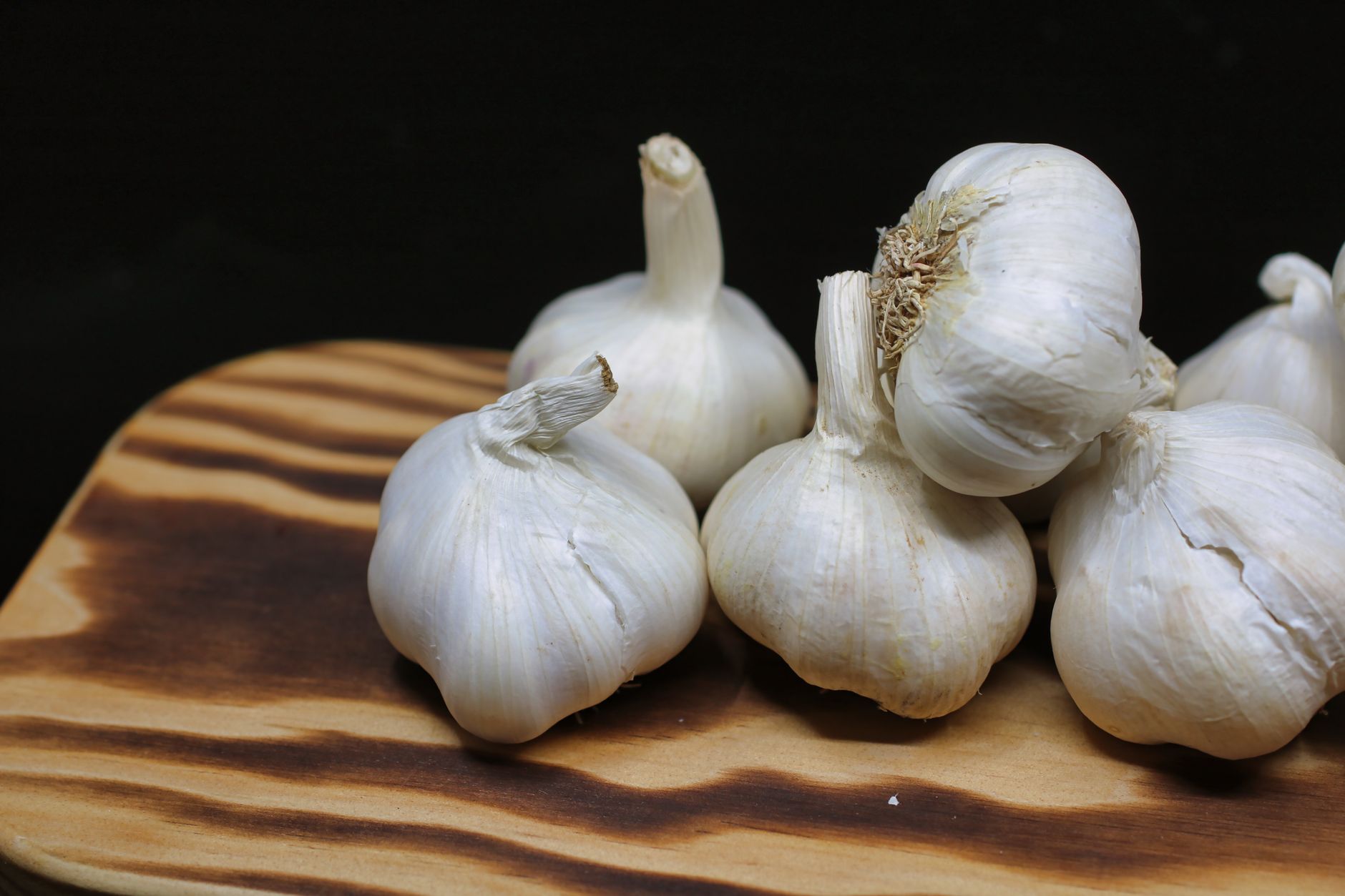
Black garlic is a unique ingredient gaining popularity in culinary circles for its distinct flavor and health benefits. It is produced through a fermentation process that transforms fresh garlic bulbs into soft, dark, and slightly sweet cloves with a complex umami taste.
This article will explore the ingredients, taste profile, culinary uses, and storage tips for black garlic, offering insights on how to incorporate this ingredient into your cooking.
What Is Black Garlic?
Black garlic is aged and fermented raw garlic that turns black and develops a mellow, sweet flavor with a hint of molasses. It is made by placing whole bulbs of garlic in a controlled, humid environment for several weeks, breaking down the harshness of raw garlic and creating a smooth texture.
This ingredient is not just about taste; it is also rich in antioxidants and has potential health benefits, making it an appealing addition to a variety of dishes.
Ingredients in Black Garlic
The primary ingredient in black garlic is, of course, garlic (Allium sativum). Fresh garlic bulbs are used in the fermentation process, during which the chemical compounds in the garlic undergo changes to create the final product.
Aside from the fresh garlic, no other ingredients are required for producing black garlic. The key components that change during fermentation include:
- Alliin: Converted to allicin, a substance known for its health benefits.
- Sulfur compounds: These contribute to the strong flavor and aroma of fresh garlic, which diminish during fermentation.
- Amino acids: Enhances the umami flavor profile of black garlic.
Taste and Texture of Black Garlic
The taste of black garlic is remarkably different from that of raw garlic. The fermentation process reduces its bitterness and acrid notes, leading to a sweet, rich, and complex flavor reminiscent of balsamic vinegar or tamarind.
Its texture is soft and slightly sticky, making it easy to spread or mash. This combination of sweetness and texture makes black garlic a versatile ingredient in cooking.
Culinary Uses of Black Garlic
Black garlic can be used in various culinary applications, from sauces and dressings to meats and vegetables. Here are some popular uses:
1. Sauces and Dressings
Black garlic can enhance sauces by adding depth and sweetness. It can be blended into:
- Vinaigrettes for salads
- Pasta sauces for a richer taste
- Marinades for meats or tofu
2. Spreads
Due to its smooth texture, black garlic can be easily made into spreads. Try combining it with:
- Butter for a flavorful compound butter
- Cream cheese for a delicious bagel spread
- Olive oil and herbs for a savory dip
3. Soups and Stews
Add black garlic to soups and stews for an unexpected flavor boost. Stir it into:
- Creamy potato soup
- Tomato-based soups
- Hearty vegetable stews
4. Meats and Seafood
Black garlic can be used as a marinade or seasoning for meats and seafood. Incorporating it into your recipes can enhance the overall dish. Some options include:
- Roasting chicken with a black garlic rub
- Using it in fish marinades
- Mixing it into ground meats for burgers or meatballs
5. Vegetables
Roasting or sautéing vegetables with black garlic can elevate their flavors. Consider using it with:
- Brussels sprouts
- Asparagus
- Root vegetables like carrots and sweet potatoes
6. Pasta and Rice Dishes
Incorporate black garlic into pasta and rice dishes for added depth. It pairs wonderfully with:
- Risotto or paella for umami richness
- Spaghetti with garlic-infused oil
- Stir-fried rice for flavor and nutrition
How to Prepare Black Garlic
Black garlic is often available pre-packaged in cloves or as a puree. If you are using whole cloves, here’s how to prepare them:
- Remove the outer layer of the bulb to access individual cloves.
- Peel the cloves carefully, noting that they will be softer than raw garlic.
- Mash with a fork or chop finely, depending on your recipe’s requirements.
If using black garlic puree, it can be used directly as a flavoring agent in your dishes.
Storage Tips for Black Garlic
Black garlic needs proper storage to maintain its flavor and texture. Here are some practical storage tips:
- Keep unpeeled bulbs in a cool, dark place. They can last several months this way.
- Peeled cloves should be stored in an airtight container in the refrigerator. Use within a few weeks for the best flavor.
- If you have a surplus, consider freezing black garlic cloves in an airtight bag; however, note that this may alter their texture.
Common Mistakes to Avoid When Using Black Garlic
Here are some common mistakes to avoid when preparing and cooking with black garlic:
- Overcooking: Black garlic is not meant to be subjected to high heat; it can lose its flavor and sweetness.
- Using too much: Start with a small amount; its flavor can be bold, and it’s easy to overpower a dish.
- Confusing it with raw garlic: Understand that black garlic has a much sweeter, less pungent flavor compared to traditional garlic, so it should be used differently.
Practical Substitutions for Black Garlic
If you don’t have black garlic on hand, consider these practical substitutions:
- Roasted Garlic: Use roasted garlic for a similar sweet and mellow flavor, though it will be less complex.
- Garlic Powder: While not a direct substitute, garlic powder can impart some garlicky flavors. Use it cautiously, starting with a smaller quantity.
- Sweet Miso Paste: For a unique flavor profile, sweet miso can offer sweetness and umami similar to black garlic.
Ideas for Incorporating Black Garlic into Your Meals
Here are some meal ideas that showcase the versatility of black garlic:
- **Breakfast:** Add to an omelet or scrambled eggs.
- **Lunch:** Use in a quinoa salad or grain bowl.
- **Dinner:** Incorporate into a stir-fry or as part of a sauce for grilled meats.
- **Dessert:** Pair with chocolate to create a complex flavor in brownies or ganache.
Conclusion
Black garlic is an intriguing ingredient that can add depth and character to a variety of dishes. Its unique flavor profile and health benefits make it a worthy addition to your pantry. Experiment with it in sauces, spreads, and main dishes to see how it enhances your favorite recipes.
For further inspiration, consider exploring related topics such as the uses of black tea or pumpkin puree in your cooking adventures.
For more culinary ideas, check out articles about black tea and pumpkin puree.