
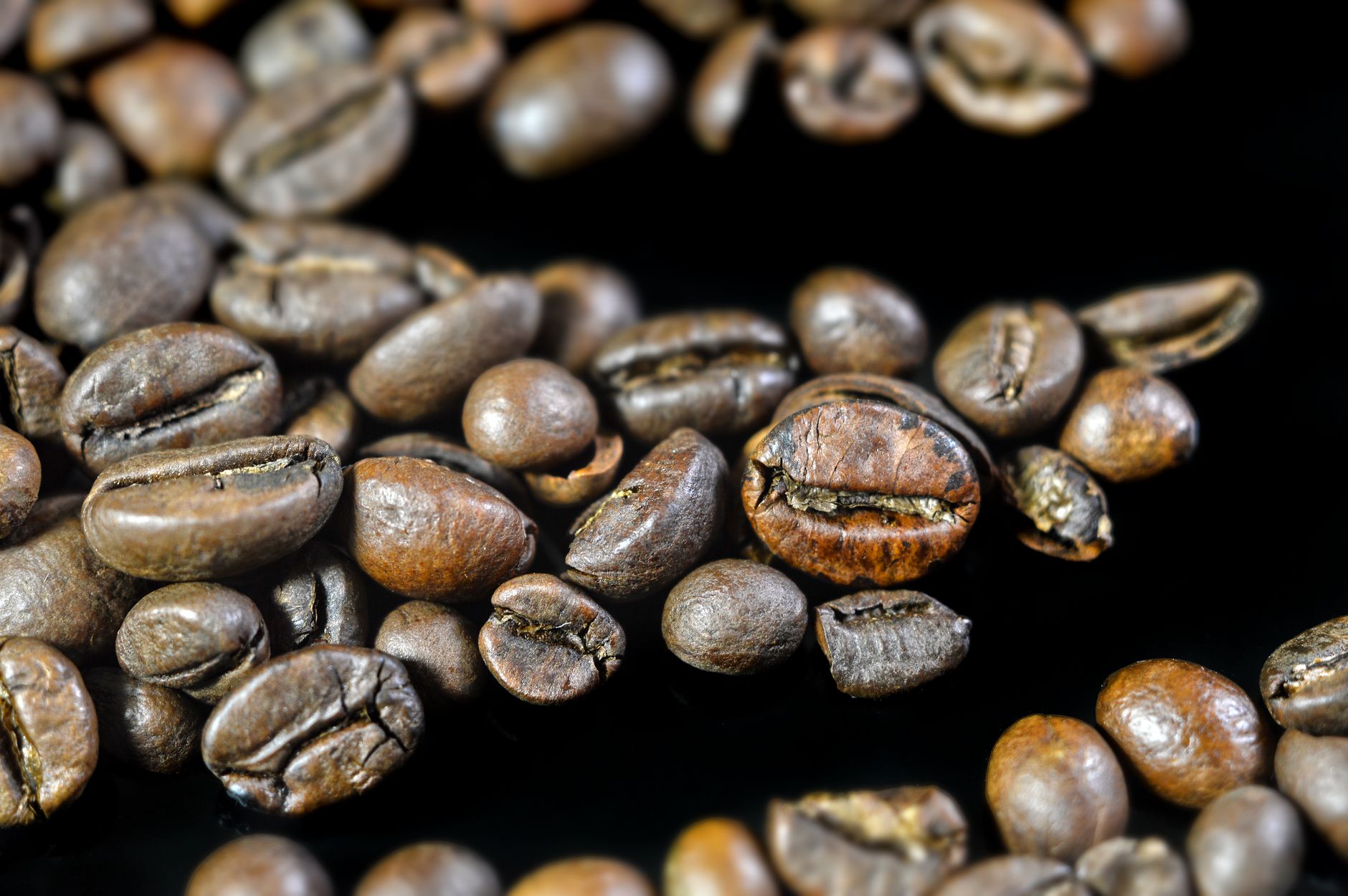
Arabica coffee, derived from the Coffea arabica plant, is renowned for its superior flavor and aroma. Prized for its smooth, rich taste with hints of sweetness and acidity, Arabica coffee makes up about 60-70% of the world’s coffee production. Understanding its characteristics, flavor profile, and best serving methods can enrich your coffee experience.
This guide explores what Arabica coffee is, its specific ingredients, how it differs from other coffee types, and practical ways to serve it. Whether you’re an everyday coffee drinker or a budding aficionado, this article will enhance your appreciation of this beloved beverage.
What Is Arabica Coffee?
Arabica coffee refers to coffee produced from the beans of the Coffea arabica plant. This species is one of the two most commonly cultivated coffee species globally, the other being Robusta. Arabica is prized for its flavor, which is often described as smooth, sweet, and complex. It typically has a lower caffeine content compared to Robusta, making it a popular choice for coffee lovers looking for a milder brew.
Ingredients in Arabica Coffee
Arabica coffee primarily consists of these key ingredients:
- Coffee Beans: Arabica beans are oval-shaped with a curved crease, usually lighter in color and density compared to Robusta beans.
- Water: The quality of water used in brewing affects the final taste. Ideally, use filtered water free from impurities.
- Additives (optional): Sugar, milk, cream, and flavored syrups can be added based on personal preference for enhanced taste.
Flavor Profile of Arabica Coffee
Arabica coffee is renowned for its distinct flavor profile, which is significantly influenced by several factors, including the growing conditions and processing methods. Here’s what you can expect:
- Acidity: Arabica coffee often has a brightness characterized by a mild, pleasant acidity that can impart fruity or floral notes.
- Sweetness: With its natural sugars, Arabica tends to have a subtly sweet undertone, often reminiscent of caramel or chocolate.
- Body: The body of Arabica coffee is typically lighter and smoother, contributing to a more refined mouthfeel.
- Aroma: Expect a rich and fragrant aroma, often featuring highlights of berries, nuts, or even citrus.
How Arabica Differs from Other Coffee Types
Arabica coffee is often compared to Robusta coffee, the other dominant type of coffee bean. Here’s how they differ:
- Caffeine Content: Arabica contains about 1-1.5% caffeine, while Robusta has about 2-2.5%. The lower caffeine content results in a smoother taste for Arabica.
- Flavor: Arabica is generally recognized for its nuanced flavors and aromatic properties, whereas Robusta often has a stronger, more bitter flavor profile.
- Growing Conditions: Arabica beans grow at higher elevations and require cooler climates, making cultivation more challenging than Robusta, which is hardier and can thrive in various conditions.
- Shape and Size: Arabica beans are flatter and oval-shaped, while Robusta beans are rounder and smaller.
Choosing Arabica Coffee
Selecting the right Arabica coffee is crucial to ensuring a great tasting experience. Here are tips to consider:
- Origin: Look for beans from regions known for high-quality Arabica, such as Ethiopia, Colombia, Brazil, and Costa Rica.
- Roast Level: Arabica coffee is available in various roast levels, from light to dark. Light roasts maintain more of the bean’s natural flavors, while dark roasts yield a more robust, smoky flavor.
- Freshness: Purchase whole beans and grind them just before brewing for optimal flavor. Pay attention to roast dates on packaging.
- Certifications: Opt for organic or fair trade certified beans to ensure ethical and environmentally-friendly sourcing.
How to Brew Arabica Coffee
Brewing Arabica coffee can be done using various methods. Here’s a breakdown of some popular techniques and their details:
1. Drip Coffee Maker
This method is one of the easiest and most common ways to brew Arabica coffee.
- Measure your coffee: Use about 1 to 2 tablespoons of ground coffee for every 6 ounces of water.
- Add water: Fill the coffee maker’s reservoir with filtered water.
- Start brewing: Turn on the coffee maker and let it brew.
- Serve: Once brewed, pour the coffee into your favorite mug.
2. French Press
The French Press method allows for full extraction, leading to a rich flavor profile.
- Measure coffee: Use a coarser grind of Arabica coffee, about 1 ounce (28 grams) for every 15 ounces (450 ml) of water.
- Boil water: Bring water to a boil and let it cool slightly (around 200°F or 93°C).
- Add coffee and water: Combine the coffee and water in the French Press, stir gently, and let it steep for 4 minutes.
- Press: Slowly push the plunger down to separate the grounds from the brewed coffee.
- Serve: Pour and enjoy!
3. Pour-Over
This method allows for precision brewing and control over extraction.
- Prepare coffee: Use about 0.5 ounces (14 grams) of medium-coarse ground Arabica coffee for every 8 ounces (240 ml) of water.
- Boil water: Heat water to around 200°F (93°C).
- Pre-wet filter: Rinse the filter paper with hot water to remove any paper taste and warm the dripper.
- Add coffee and water: Place the ground coffee in the filter, then gently pour hot water over the coffee in circular motions to saturate the grounds.
- Brewing time: Allow it to brew for around 3-4 minutes.
- Serve: Pour into your cup and savor the flavors.
4. Espresso Machine
This method is for those who love intense coffee flavors.
- Grind coffee: Use a fine grind, typically 1 ounce (28 grams) of Arabica coffee per 2 ounces (60 ml) of water.
- Tamp thecoffee: Press down firmly to create an even surface.
- Run water: Use your espresso machine to force hot water through the coffee grounds, extracting rich flavors.
- Serve: Enjoy as-is or use it as the base for espresso drinks like lattes or cappuccinos.
Serving Suggestions for Arabica Coffee
Arabica coffee can be enjoyed in various ways. Here are some popular serving suggestions:
- Black: Enjoying it black allows you to appreciate the full complexity of flavors.
- Milk or Cream: Adding milk or cream creates a mellow balance of flavors, perfect for those who prefer a richer beverage.
- Syrups or Flavors: Consider vanilla, hazelnut, or caramel syrups for an extra dimension of sweetness.
- Cold Brew: For a refreshing summer treat, brew Arabica coffee cold, served over ice with or without milk.
Common Mistakes When Brewing Arabica Coffee
Avoid these common pitfalls for a higher quality brew:
- Using Stale Beans: Freshness is key; always aim to brew with beans roasted within the last few weeks.
- Incorrect Grind Size: Match the grind size with your brewing method; too coarse or too fine can lead to poor extraction.
- Poor Water Quality: Always use filtered water; tap water can alter the taste due to chlorine or other minerals.
- Improper Water Temperature: Water that is too hot or too cold can impact the extraction, so aim for around 200°F (93°C).
Storage Tips for Arabica Coffee
Proper storage is critical to maintain the flavor of Arabica coffee. Here are guidelines for keeping your beans fresh:
- Use an Airtight Container: Store beans in a container that prevents air exposure, like a vacuum-sealed bag.
- Keep Away from Light: Light can degrade coffee quality, so place your container in a dark, cool area.
- Avoid Moisture: Keep coffee dry; humidity can negatively impact flavor and lead to spoilage.
- Purchase in Smaller Quantities: Buy what you can consume within a few weeks to ensure maximum freshness.
Conclusion
Arabica coffee stands as a testament to the art of coffee enjoyment, with its exceptional flavor profile and significant cultural impact. By understanding what sets it apart, how to brew it, and how to serve it effectively, you can elevate your coffee experience to new heights.
Explore more about different types of tea with this guide on black tea, or learn about gluten-free coffee alternatives at what is coffee gluten-free.