
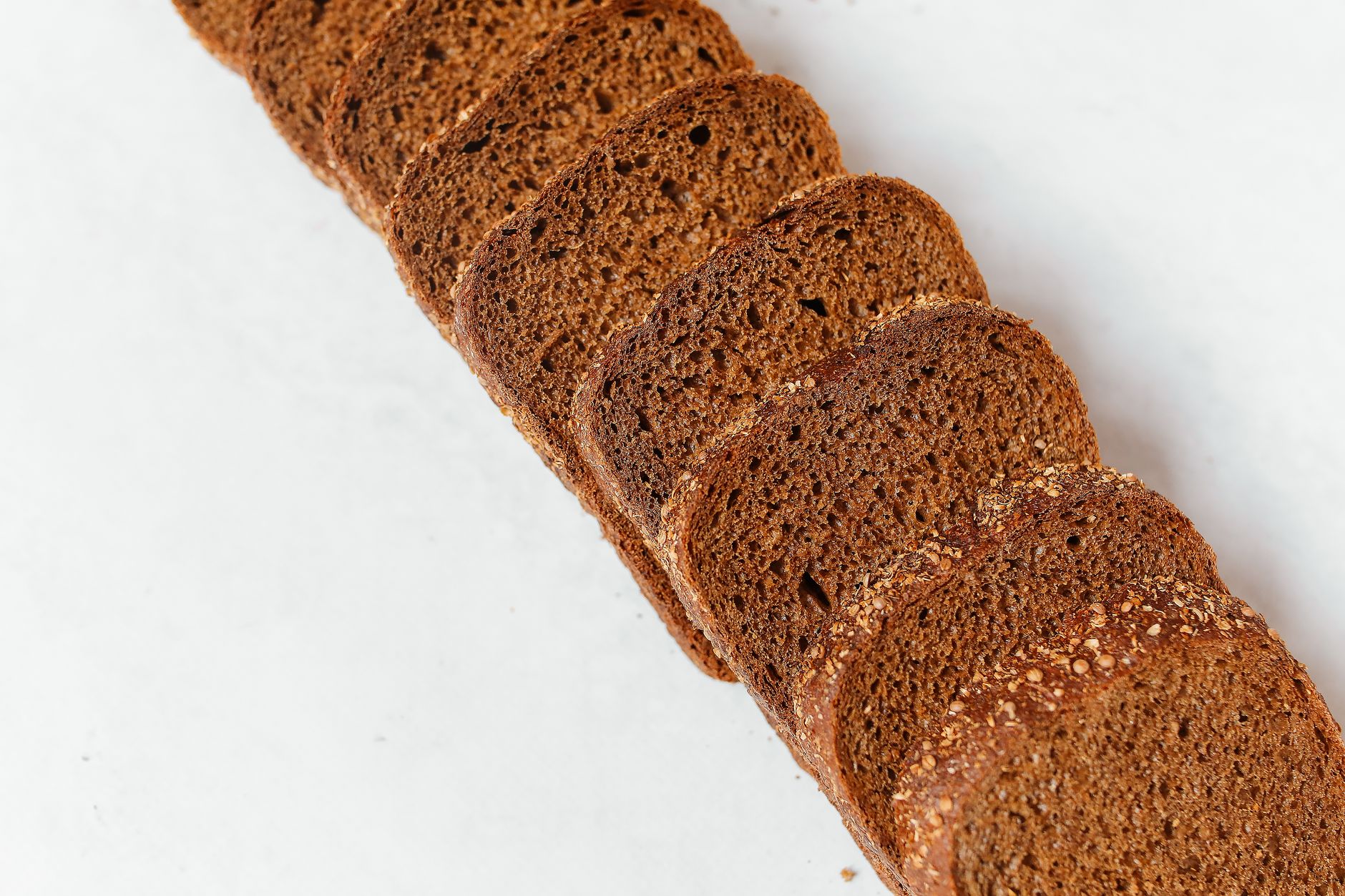
When it comes to grains and their gluten content, rye often piques the interest of those managing their diets or exploring different culinary options. This ancient cereal grain has a distinct flavor and texture, making it popular in various dishes, particularly in bread making.
However, many people wonder: Is rye gluten? Understanding rye’s gluten content is crucial, especially for those with gluten sensitivities or celiac disease. This article will explore what rye is, its gluten content, and important considerations regarding cross-contact and ingredient labeling.
Is Rye Gluten?
Yes, rye contains gluten, although the gluten structure differs from that found in wheat. Gluten in rye creates a denser, less elastic dough compared to wheat flour, which can affect the texture of baked goods. Consequently, while rye can be consumed by those without gluten issues, it poses a significant risk for those with gluten sensitivities or celiac disease.
Understanding Rye: Characteristics and Uses
Rye is a cereal grain that is closely related to wheat and barley. Its flavor is often described as earthy, nutty, and slightly sour, making it a popular choice for various baked goods and dishes.
Rye is often ground into flour and used in the following:
- Breads, especially rye bread and pumpernickel
- Cereals and hot grains
- Crackers and snacks
- Beer and spirits like rye whiskey
Rye flour can be classified into different types based on the level of processing:
- Whole rye flour: Made from the entire grain, it retains all the nutrients and provides a robust flavor.
- Light rye flour: Made from the endosperm of the grain, this flour is lighter in color and milder in flavor.
- Darker rye flour: Contains more bran and germ, resulting in a stronger flavor and darker color.
Gluten Structure in Rye
The gluten in rye differs significantly from that found in wheat. While wheat gluten is primarily composed of glutenin and gliadin, rye contains a different set of proteins known as secalin. This variation affects the gluten’s properties, making rye dough less elastic and sticky.
The unique gluten structure in rye also means that baked goods made with rye possess a denser texture, often leading to a more compact final product. This characteristic is particularly evident in traditional rye breads, which often have a pleasantly chewy texture.
Gluten Sensitivities and Celiac Disease
For individuals with gluten sensitivities or celiac disease, consuming rye is not safe. Celiac disease is an autoimmune condition where ingesting gluten damages the small intestine, leading to various gastrointestinal and non-gastrointestinal symptoms.
Common symptoms of gluten sensitivity and celiac disease include:
- Bloating and gas
- Diarrhea or constipation
- Fatigue
- Skin rashes
- Joint pain
Individuals diagnosed with these conditions should strictly avoid all gluten-containing grains, including rye. It’s imperative to check all ingredient labels for rye or rye derivatives in packaged products.
Ingredient Labels: What to Look For
When shopping for food products, ingredient labels are essential for identifying gluten-containing ingredients. Here are a few key terms to watch for regarding rye:
- Rye flour: Indicates the presence of rye and should be avoided by those with gluten issues.
- Secalin: The gluten protein found in rye; mention of this should raise a red flag for gluten-sensitive individuals.
- Rye grains: Whole grains or flakes made from rye are also unsuitable for those avoiding gluten.
Additionally, terms like “rye whiskey” or “rye bread” indicate the presence of rye and thus gluten. Always look for gluten-free labels or certifications on products if you have gluten sensitivities.
Cross-Contact: The Hidden Danger
Cross-contact occurs when gluten-free foods come into contact with gluten-containing grains, leading to potentially harmful contamination. This is a significant concern for those with severe gluten sensitivities or celiac disease.
To minimize the risk of cross-contact:
- Ensure separate utensils and cutting boards for gluten-free preparations.
- Choose certified gluten-free grains and products.
- Be cautious when dining out, and always communicate dietary restrictions to restaurant staff.
Rye in Gluten-Free Cooking
Creating dishes that mimic the flavor and texture of rye without gluten can be a challenge, but there are several alternative flours and grains to consider in gluten-free cooking:
- Brown rice flour: Offers a mild flavor and can work well in combination with other gluten-free flours.
- Einkorn flour: An ancient grain with gluten that is often cited as more easily digestible, though it should still be avoided by those with celiac.
- Oat flour: Adds a slightly sweet flavor and can provide a nice texture when used correctly, but ensure oats are certified gluten-free to avoid cross-contact.
- Almond flour: Provides great flavor and texture in baked goods, perfect for making gluten-free breads.
- Substituting ratio: When substituting gluten-free flours for rye flour, use a blend of different gluten-free flours for the best results.
Recipe Ideas for Gluten-Free Alternatives
While rye cannot be used in gluten-free baking, here are some ideas for creating delicious baked goods with alternative flours:
Gluten-Free Bread
- Combine equal parts brown rice flour, tapioca flour, and almond flour in a mixing bowl.
- Add a teaspoon of xanthan gum to improve the texture.
- In a separate bowl, mix warm water with yeast and let it activate before combining with flour mixture.
- Mix until you have a dough, then shape it into a loaf and let it rise in a warm area for about an hour.
- Bake in a preheated oven at 375°F (190°C) for 30-35 minutes, or until golden brown.
Gluten-Free Crackers
- Mix almond flour, brown rice flour, and seasoning in a bowl.
- Add enough water to form a dough.
- Roll the dough out thinly and cut into desired shapes.
- Bake at 350°F (175°C) for 15-20 minutes or until crisp.
Common Mistakes When Baking with Rye or Gluten-Free Flours
Whether using rye flour or substituting it with gluten-free alternatives, certain mistakes can affect the final product:
- Not measuring accurately: Baking is a science; use a scale for best results, especially when working with gluten-free flours.
- Omitting binding agents: Gluten-free baking often requires binding agents like xanthan gum for the right texture.
- Ignoring baking times: Gluten-free baked goods may require different baking times than you would typically use for wheat-based products.
Storage and Shelf Life of Rye and Gluten-Free Flours
Proper storage is essential for maintaining the quality of rye flour or gluten-free alternatives. Here are some general guidelines:
- Store rye flour in an airtight container away from light and heat, ideally in the refrigerator, to extend its shelf life.
- Gluten-free flour should also be kept in a cool, dry place but check specific labels for storage recommendations.
- Always check for signs of spoilage, including off-smells, discoloration, or insect presence before using.
Conclusion
In summary, rye contains gluten and is not suitable for those with gluten sensitivities or celiac disease. Understanding ingredient labels, the nature of rye gluten, and cross-contact risks is crucial for safe consumption. Though you must avoid rye, alternative flours and gluten-free options allow you to enjoy delicious baked goods without compromising your dietary restrictions.
For more cooking tips, explore our gluten-free gnocchi recipe or discover how to bake with einkorn flour!