
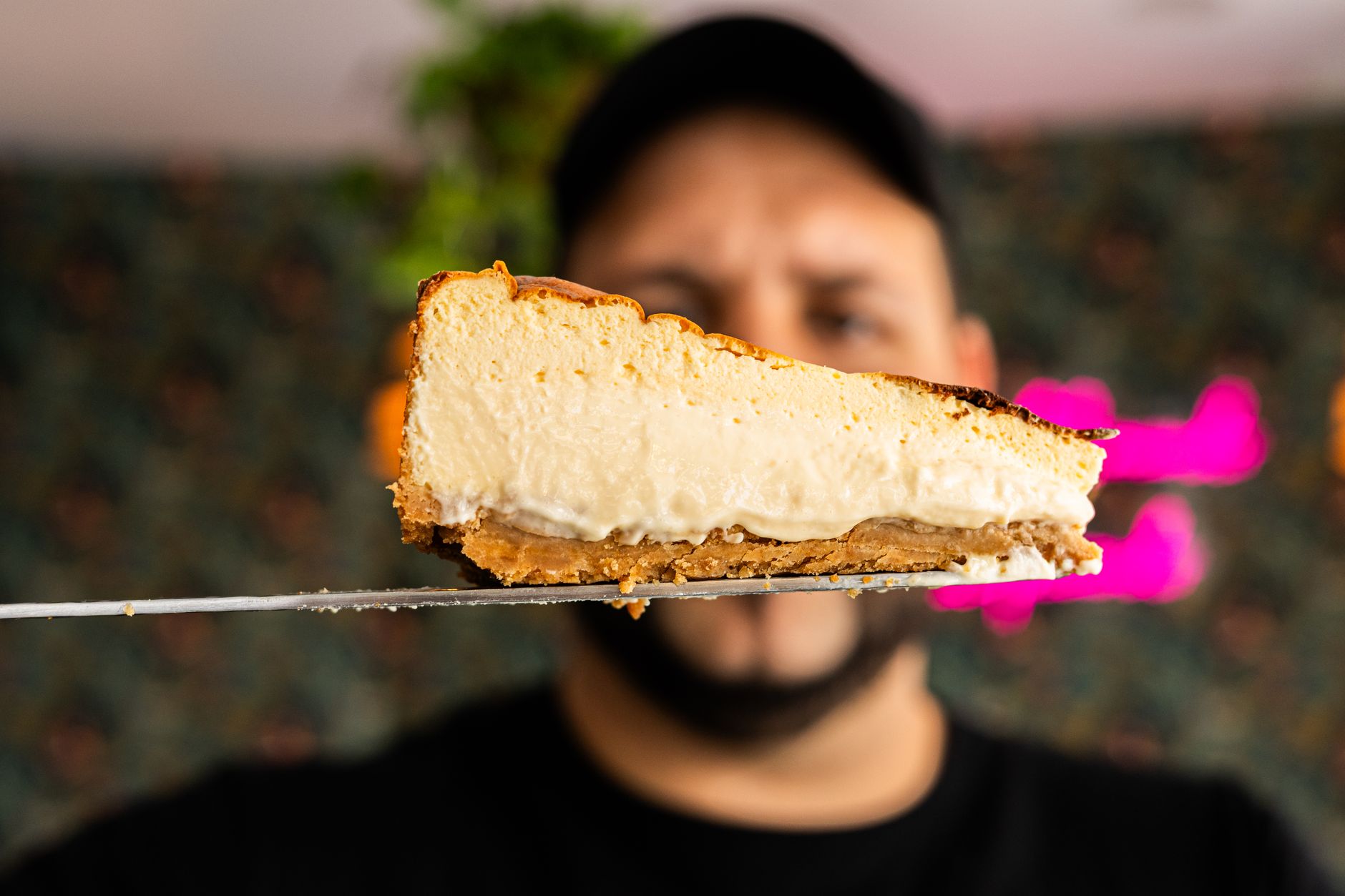
When it comes to desserts that prominently feature dairy, one delightful example is panna cotta. This Italian classic is a creamy custard-like dessert that combines the richness of cream with the lightness of gelatin. Its smooth texture, customizable flavors, and elegant presentation make it a popular choice for both casual dinners and special occasions.
Panna cotta is not only delicious, but it is also surprisingly easy to prepare. In this guide, we will explore what panna cotta is all about, delve into its ingredients, discuss the preparation process, and provide variations to inspire your inner chef.
What Is Panna Cotta?
Panna cotta translates to “cooked cream” in Italian, and this dessert lives up to its name. It is made from sweetened cream that is thickened with gelatin, resulting in a delicate, smooth custard. Traditionally, panna cotta is served chilled and can be flavored with various ingredients, such as vanilla, coffee, citrus, or fruit purees.
The versatility of panna cotta allows for an array of creative presentations. It can be served in individual cups, layered with fruit comps, or drizzled with sauces. Its simplicity and elegance make it a favored choice for many culinary occasions.
Ingredients of Panna Cotta
Making panna cotta requires just a few basic ingredients, which typically include:
- Heavy cream – The primary component that gives panna cotta its rich texture.
- Sugar – Adds sweetness; you can adjust it according to taste.
- Gelatin – A key ingredient for thickening; it can be found in sheet or powdered form.
- Vanilla extract or vanilla beans – Provides flavor; other flavorings can be substituted.
- Milk – Sometimes included to lighten the dessert, but optional.
Essential Equipment
To prepare panna cotta, you will need the following equipment:
- A medium saucepan – For heating the cream and other ingredients.
- A whisk – To combine ingredients smoothly.
- Measuring cups and spoons – For precise ingredient measurements.
- Ramekins or small cups – Where the panna cotta will be set; these should be preferably smooth for easy removal.
- A refrigerator – To chill and set the panna cotta.
How to Make Panna Cotta: Step-By-Step Guide
The preparation of panna cotta is straightforward. Follow these detailed steps to create this creamy dessert:
- Bloom the gelatin: If using powdered gelatin, sprinkle it over 2 tablespoons of cold water in a small bowl. Let it sit for about 5 to 10 minutes until it absorbs the water and becomes spongy. If using sheet gelatin, submerge the sheets in cold water for about 5 minutes until they soften.
- Heat the cream and sugar: In a medium saucepan, combine 2 cups of heavy cream and ½ cup of sugar. Heat over medium heat, stirring gently, until the sugar is fully dissolved and the mixture is just about to simmer. Do not let it boil.
- Add flavoring: Remove the saucepan from heat and stir in your desired flavorings, such as 1 teaspoon of vanilla extract or the seeds of a split vanilla bean.
- Incorporate the gelatin: Once the cream mixture is slightly cooled (but still warm), add the bloomed gelatin and whisk until fully dissolved. This step is crucial to ensure a silky texture.
- Pour into molds: Carefully pour the mixture into ramekins or small cups. Leave some space at the top to allow for any toppings you may want to add later.
- Chill to set: Cover the molds with plastic wrap and refrigerate for at least 4 hours, or until the panna cotta is set. For best results, allow it to chill overnight.
- Serve: To release the panna cotta from the molds, dip the bottom briefly in hot water. Carefully invert the mold onto a plate and give it a gentle shake to release the dessert.
Flavor Variations
Panna cotta is highly adaptable and can be flavored in numerous ways. Here are a few delightful variations to consider:
- Chocolate panna cotta: Add melted chocolate (about 4 oz) to the cream mixture for a rich dessert.
- Coffee panna cotta: Replace a portion of the cream with brewed espresso or coffee for a delightful coffee-flavored treat.
- Citrus panna cotta: Infuse the cream with citrus zest (like lemon or orange) for a refreshing flavor.
- Fruit puree topping: Top your panna cotta with a homemade fruit compote made from berries, mango, or any fruit of your choice.
Practical Tips and Common Mistakes
While panna cotta is easy to make, some common mistakes can occur. Here are tips to ensure your panna cotta turns out perfectly:
- Gelatin issues: Always bloom gelatin before adding it to the warm mixture. If it doesn’t dissolve fully, you’ll end up with lumps.
- Overheating the cream: Avoid boiling the cream mixture. It can lead to a grainy texture. Heat it until it just begins to simmer.
- Chilling time: Allow adequate time for the panna cotta to set—ideally overnight. If you’re in a rush, at least 4 hours is necessary.
- Flavor concentration: When adding flavorings, remember that some, like coffee, can be stronger than others. Adjust the quantity according to your preference.
Serving Suggestions
Panna cotta can be served simply as is, or you can elevate it with additional toppings or accompaniments. Here are some ideas:
- Fresh fruit: Serve with seasonal fruits like berries, peaches, or figs for freshness.
- Chocolate sauce: Drizzle dark or white chocolate sauce for an indulgent twist.
- Nuts: Add a sprinkle of toasted nuts for crunch.
- Herbs: Garnish with mint leaves or basil for a fresh touch.
Storage and Meal Prep Tips
Panna cotta is a great dessert for meal prep. Here are some guidelines for storing it:
- Refrigeration: Once set, panna cotta can be stored in the refrigerator for up to five days covered with plastic wrap or in an airtight container.
- Freezing: Freezing is not recommended, as the texture may change. However, if you need to prepare it ahead of time, making it two to three days before serving is advisable.
- Toppings: If you are adding toppings, consider doing so just before serving to maintain texture and freshness.
Practical Substitutions
If you’re looking to make panna cotta but don’t have certain ingredients handy, here are practical substitutions:
- Heavy cream: You can use half-and-half or coconut cream if you’re looking for a lighter version, though the texture may be slightly different.
- Sugar: Substitute with honey or agave nectar. Keep in mind that the sweetness and flavor profile may vary slightly.
- Gelatin: For a vegetarian option, agar-agar is a great substitute, but it behaves differently. Adjust according to package instructions.
- Milk: Almond or soy milk work as dairy-free alternatives, although they may alter the flavor and texture slightly.
Conclusion
Panna cotta is a versatile, creamy dessert that showcases dairy beautifully. With its simple preparation and endless flavor possibilities, it is an excellent choice for both novice and experienced cooks alike. Next time you’re pondering what to serve for dessert, consider creating this Italian delight to wow your guests.
For additional inspiration, explore our Bavarian Cream Recipe for another delicious dairy-based dessert, or try our Creamy Ramen Recipe for a comforting dish that incorporates dairy in a savory way.