
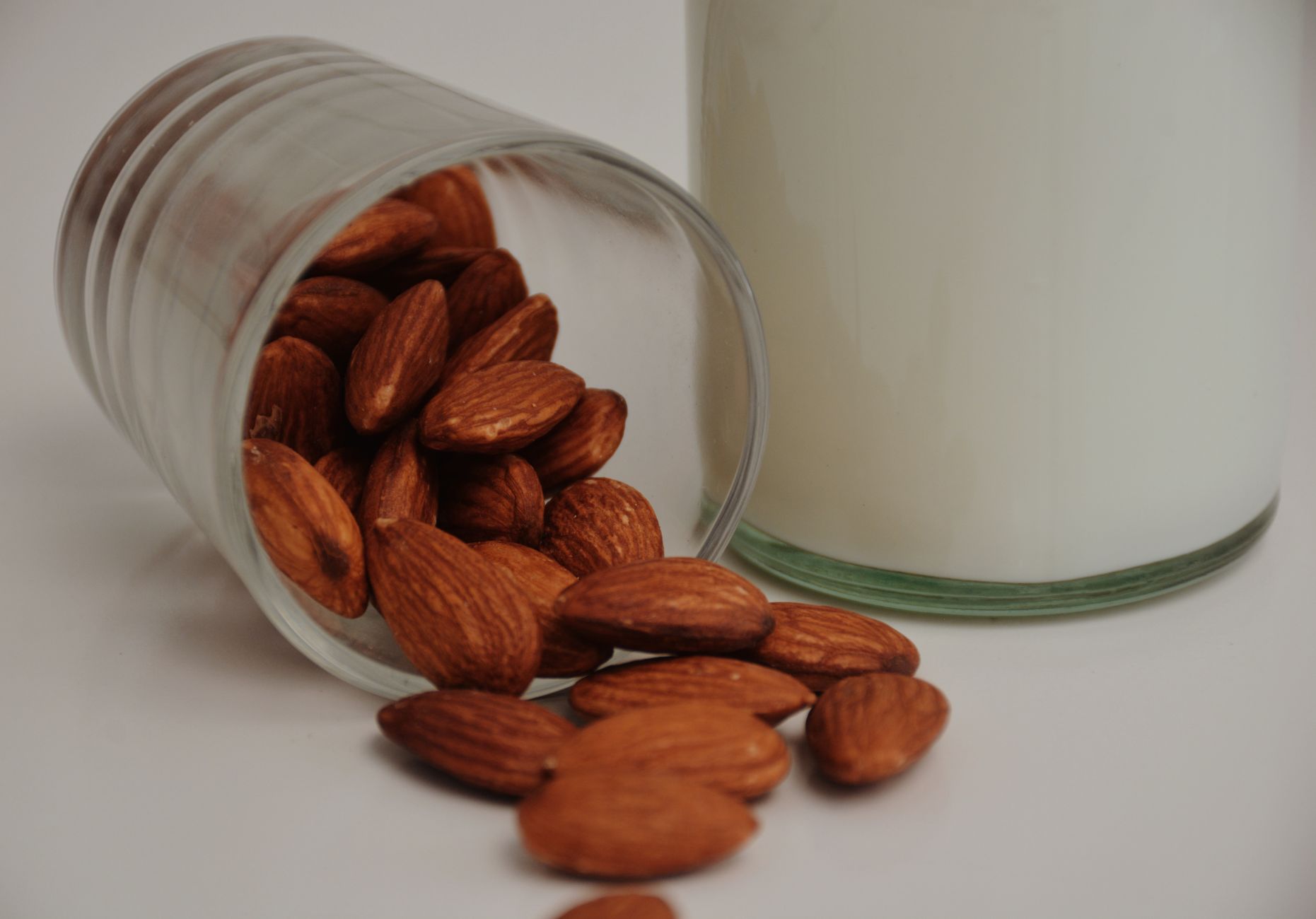
Almond milk is a popular plant-based milk alternative made from ground almonds and water. With its creamy texture and subtly nutty flavor, it’s become a staple in many diets, especially among those who are lactose intolerant, vegan, or simply seeking healthier options. This article will explore what almond milk is, its nutritional benefits, how to make it, and various ways to use it in your everyday meals.
Whether you’re looking to incorporate this dairy-free option into your smoothies, coffee, or baked goods, understanding almond milk will enhance your culinary adventures.
What Is Almond Milk?
Almond milk is a non-dairy milk made by blending almonds with water and then straining the mixture to remove the solid parts. This results in a liquid that has a light, creamy texture and a slightly sweet, nutty flavor. Unsweetened varieties are available, making almond milk a versatile ingredient suited for both sweet and savory dishes. It contains fewer calories than cow’s milk and is often fortified with vitamins and minerals, making it a nutritious alternative.
Nutritional Benefits of Almond Milk
Almond milk offers several nutritional benefits that make it appealing to a wide audience. Here are some key points to consider:
- Low in Calories: Unsweetened almond milk typically contains around 30 to 50 calories per cup, making it a lightweight option for those monitoring calorie intake.
- Low in Carbohydrates: Almond milk is lower in carbohydrates compared to cow’s milk, which can be beneficial for those following low-carb diets.
- Dairy-Free: It provides a lactose-free alternative for individuals who are lactose intolerant or allergic to dairy.
- Heart-Healthy Fats: Almonds are high in monounsaturated fats, which can contribute to better heart health.
- Vitamins and Minerals: Some commercial varieties are fortified with calcium, vitamin D, and vitamin E, adding extra nutritional benefits.
How to Make Almond Milk
Making almond milk at home is straightforward and allows you to customize the flavor and texture to your liking. Here’s a simple method to create fresh almond milk:
Ingredients
- 1 cup raw almonds
- 4 cups water (plus more for soaking)
- Optional sweeteners or flavorings (e.g., vanilla extract, maple syrup, or dates)
Equipment Needed
- Blender
- Nut milk bag or fine-mesh strainer
- Bowl or pitcher for the milk
- Jar for storage
Instructions
- Soak the Almonds: Rinse the raw almonds under cool water and place them in a bowl. Cover with water and let soak for at least 8 hours or overnight. This softens the almonds and makes them easier to blend.
- Drain and Rinse: After soaking, drain the almonds and rinse them with fresh water.
- Blend: Add the soaked almonds and 4 cups of water into a blender. Blend on high for about 1-2 minutes or until the almonds are finely ground and the mixture looks frothy.
- Strain: Place a nut milk bag or fine-mesh strainer over a bowl or pitcher. Pour the blended almond mixture through the strainer, allowing the liquid to pass through while the almond pulp gets caught. Squeeze the bag or strainer to extract as much liquid as possible.
- Flavor (Optional): If desired, pour the strained almond milk back into the blender and add any sweeteners or flavorings (like vanilla or a couple of dates). Blend again briefly to mix.
- Store: Transfer the almond milk to a clean jar or bottle and refrigerate. Use within 4-5 days.
Ways to Use Almond Milk
Almond milk is versatile and can be used in a variety of dishes and drinks. Here are some popular applications:
1. Breakfast Options
Almond milk is a great addition to your breakfast dishes, such as:
- Smoothies: Use almond milk as a base for smoothies, blending it with fruits, vegetables, and protein powders for a nutritious morning boost.
- Oatmeal: Cook your oats in almond milk instead of water for a creamier texture and nutty flavor.
- Pancakes: Substitute almond milk for cow’s milk in pancake recipes for a dairy-free option.
2. Coffee and Tea
If you’re a coffee or tea drinker, consider these options:
- Almond Milk Lattes: Froth almond milk and use it as a dairy-free alternative in lattes.
- Matcha or Chai Lattes: Combine almond milk with tea for a creamy, flavorful beverage.
3. Cooking and Baking
Almond milk can be used in many cooking and baking applications:
- Soups and Sauces: Use almond milk as a base for creamy soups or sauces, adding depth and richness without dairy.
- Custards and Puddings: Replace milk in custard or pudding recipes with almond milk for a lighter version.
- Baking: Almond milk can substitute regular milk in most baking recipes, such as muffins, cakes, and bread.
4. Desserts
Adding almond milk to your desserts can enhance flavors:
- Puddings: Create a dairy-free pudding by using almond milk as a base.
- Ice Cream: Make vegan ice cream recipes that utilize almond milk for a creamy texture.
- Chia Pudding: Combine chia seeds with almond milk for a nutritious dessert or snack.
Almond Milk Variations
While standard almond milk is made simply from almonds and water, several variations are available on the market or can be made at home, including:
1. Sweetened Almond Milk
This version contains added sugars or sweeteners, enhancing the sweetness for those who prefer a sweeter taste. Be mindful of added sugars if you’re watching your sugar intake.
2. Unsweetened Almond Milk
Ideal for those looking for a more neutral flavor, unsweetened almond milk has no added sugars, making it perfect for savory dishes or for those cutting back on sugar.
3. Flavored Almond Milk
Some commercial options come in flavors like vanilla, chocolate, or coffee. These can add variety but may also contain added sugars and preservatives.
How to Store Almond Milk
If you make almond milk at home or purchase it from the store, proper storage is important. Here are some tips:
- Refrigeration: Store almond milk in the refrigerator in an airtight container. Homemade almond milk typically lasts 4-5 days, while store-bought may last up to a week or longer, depending on the brand.
- Separation: It’s normal for almond milk to separate during storage. Shake the container before using to recombine.
- Freezing: Almond milk can be frozen for longer storage, although this may change its texture; it could be best used in cooking or smoothies after thawing.
Common Mistakes When Using Almond Milk
While almond milk is generally easy to work with, a few common mistakes to avoid can enhance your experience:
- Assuming It Works the Same as Dairy: Almond milk behaves differently in cooking and baking; be cautious when substituting it for cow’s milk in specific recipes, especially those relying on dairy for structure, like yogurt or certain sauces.
- Not Shaking Before Use: Since almond milk can separate, always shake the carton or container before pouring to ensure consistency.
- Ignoring Flavor Profiles: The nutty flavor of almond milk may not work in every recipe, particularly those that require a neutral base.
Almond Milk Substitutes
If you’re out of almond milk or looking for an alternative, consider these substitutes:
- Soy Milk: High in protein, soy milk has a creamy texture similar to almond milk and works in most recipes.
- Oat Milk: Known for its mild flavor and creamy texture, oat milk is another dairy-free alternative that can be used in a similar manner.
- Coconut Milk: This milk has a distinct flavor and is richer than almond milk; it’s excellent for desserts and certain savory dishes.
- Rice Milk: A lighter option, rice milk has a sweetness that can work in smoothies and cereals but is thinner than almond milk.
Almond Milk in Dietary Preferences
Almond milk is a popular choice for various dietary preferences:
- Vegan: It fits perfectly into a vegan lifestyle as it is plant-based and contains no animal products.
- Gluten-Free: This nut milk does not contain gluten, making it suitable for those with gluten intolerance or celiac disease.
- Low-Carb and Keto-Friendly: Unsweetened almond milk is low in carbohydrates, aligning it with low-carb and ketogenic diets.
- Dairy-Free: For those with lactose intolerance or allergies, almond milk offers a safe alternative.
Conclusion
Almond milk is a versatile and nutritious substitute for traditional dairy milk, making it an essential ingredient for various dietary needs and preferences. Understanding how to make almond milk, its uses, and potential substitutes opens up a world of culinary possibilities. Whether you’re enhancing your breakfast, experimenting in baking, or simply enjoying a delicious drink, almond milk is a fantastic option to have on hand.
For a delightful twist on baking, try making almond flour bread or consider rich chia pudding with coconut milk. Explore more delicious recipes and cooking tips to expand your kitchen repertoire.