
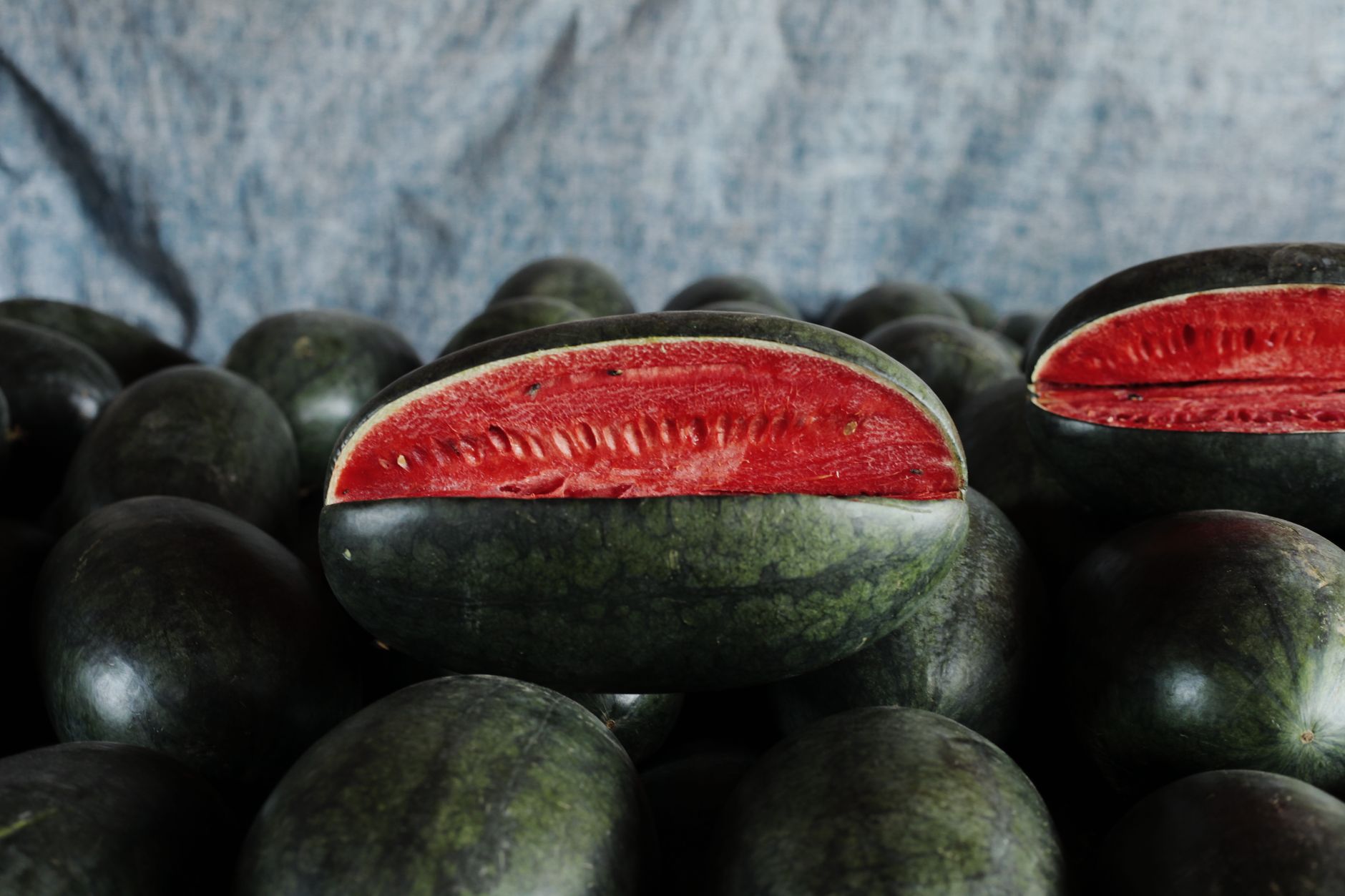
The Sugar Baby watermelon is a popular, small-sized variety known for its sweet, juicy flavor and striking deep green rind. This watermelon variety is particularly favored by home gardeners due to its compact size and early maturity, making it an ideal choice for smaller spaces.
With a delightful taste and an easy-to-handle size, the Sugar Baby watermelon is not only delicious but also packed with nutrients. This article will explore the characteristics, culinary uses, and health benefits of the Sugar Baby watermelon, as well as tips for selecting and storing it effectively.
What Is a Sugar Baby Watermelon?
The Sugar Baby watermelon, scientifically known as Citrullus lanatus, is a seedless hybrid variety that can weigh around 5 to 10 pounds, making it a manageable choice for individuals or small families. This watermelon has a bluish-green rind with darker stripes and a bright red flesh that is dense and succulent. Its taste is exceptionally sweet, often reaching a Brix measurement of 12-15 degrees, indicating a high sugar content.
Unlike larger watermelon varieties, the Sugar Baby matures early in the season, typically within 70 to 75 days after planting. This makes it a great option for gardeners looking for quicker yields. The Sugar Baby watermelon’s size and sweetness make it a popular choice for snacking, desserts, salads, and even drinks.
Culinary Uses of Sugar Baby Watermelon
Due to its sweet flavor and pleasant texture, the Sugar Baby watermelon can be used in various culinary applications. Here are some ways to incorporate this delightful fruit into your meals:
Fresh Consumption
The most straightforward way to enjoy a Sugar Baby watermelon is fresh. Its juicy flesh is perfect for snacking on hot days. Simply slice it into wedges or cubes, and serve it chilled. For an attractive presentation, use a melon baller to create fun shapes.
Salads
Watermelon salads are refreshing dishes that can feature Sugar Baby watermelon as a star ingredient. Combine it with feta cheese, arugula, and a drizzle of balsamic vinegar for a deliciously sweet and salty contrast. Here’s a simple recipe:
- 4 cups of Sugar Baby watermelon, cubed
- 2 cups of arugula
- 1 cup of feta cheese, crumbled
- 1/4 cup of balsamic vinegar
- Salt and pepper to taste
- In a large bowl, combine the watermelon and arugula.
- Sprinkle the feta cheese on top.
- Drizzle with balsamic vinegar and season with salt and pepper.
- Gently toss to combine and serve immediately.
Smoothies and Juices
Sugar Baby watermelon can be blended into smoothies or juiced for refreshing drinks. Combine it with ingredients like mint, lime, or yogurt for a tropical twist. Here’s a basic smoothie recipe:
- 1 1/2 cups of Sugar Baby watermelon, diced
- 1/2 cup of plain yogurt
- 1/2 cup of ice
- Juice of half a lime
- Mint leaves for garnish (optional)
- Add the watermelon, yogurt, ice, and lime juice to a blender.
- Blend until smooth.
- Pour into glasses and garnish with mint leaves if desired.
Grilled Watermelon
Grilling watermelon can enhance its sweetness and add a delightful charred flavor. Simply slice the Sugar Baby watermelon into thick wedges, brush with olive oil, and grill for a few minutes on each side. Serve as a unique side dish or on skewers with shrimp or chicken.
Health Benefits of Sugar Baby Watermelon
In addition to being delicious, Sugar Baby watermelon offers several health benefits:
- Hydration: Watermelon is composed of about 90% water, making it an excellent choice for staying hydrated, particularly during warmer months.
- Nutrients: Sugar Baby watermelon is a good source of vitamins A and C, as well as important antioxidants like lycopene, which may support heart health.
- Low in Calories: Watermelon is low in calories, with only about 30 calories per 100 grams, making it a great snack for those looking to manage their weight.
- Digestive Health: The fiber content in watermelon can promote healthy digestion and prevent constipation.
How to Select and Store Sugar Baby Watermelon
Selecting Sugar Baby Watermelon
Choosing a ripe Sugar Baby watermelon is essential for optimal flavor. When selecting one, consider the following tips:
- Look for a uniform shape: A symmetrical watermelon is more likely to have an even sweetness throughout.
- Check the coloration: A deep green color with smooth skin indicates ripeness.
- Examine the spot: The area where the watermelon rested on the ground (often referred to as the “field spot”) should be a creamy yellow color.
- Tap test: Gently tap the melon; a dull sound often indicates ripeness, while a hollow sound may suggest that it is overripe.
Storing Sugar Baby Watermelon
Proper storage of Sugar Baby watermelon is vital to maintaining its freshness:
- At Room Temperature: Uncut watermelons can be stored at room temperature for up to a week.
- In the Refrigerator: Once cut, store watermelon in an airtight container in the refrigerator for about 3 to 5 days. Covering it will help maintain moisture and prevent it from absorbing other odors.
- Freezing: If you wish to preserve watermelon for longer, it can be frozen. Cut it into cubes, spread them on a baking sheet, and freeze until solid. Then transfer to a freezer-safe bag or container.
How to Incorporate Sugar Baby Watermelon into Meal Planning
Using Sugar Baby watermelon in your meal planning can help you create fresh and balanced meals. Here’s how to effectively incorporate this fruit into your weekly menu:
Meal Prep Ideas
Consider presetting watermelon for easy access during the week. Here are some meal prep ideas:
- Cube watermelon and store it in portioned containers for quick snacks.
- Prepare watermelon salads in advance, just leaving out any dressings until serving to keep them fresh.
- Make smoothie packs by pre-measuring watermelon cubes with other smoothie ingredients and freezing them.
Pairing Suggestions
When planning meals, consider combining Sugar Baby watermelon with other ingredients:
- Proteins: Pair watermelon with grilled chicken, fish, or shrimp for a protein-rich meal.
- Cheeses: It pairs well with both feta and soft cheeses like goat cheese for a savory contrast.
- Herbs: Fresh herbs like basil and mint can add layers of flavor to watermelon salads and drinks.
Practical Substitutions and Variations
While Sugar Baby watermelon has a unique flavor, there are some alternatives if it is not available:
- Other Watermelon Varieties: Any other watermelons, such as the seedless or picnic variety, can serve as a substitute for recipes in which the texture and flavor are not well-defined.
- Cantaloupe: Cantaloupe can work in salads or smoothies where the sweetness is desired, but it has a different texture and flavor profile.
- Honeydew: Similar to cantaloupe, honeydew can be an alternative in desserts or fruit mixes that require watermelon.
Common Mistakes When Working with Sugar Baby Watermelon
When preparing and using Sugar Baby watermelon, keep these common mistakes in mind:
- Overripe Watermelon: Using an overripe watermelon can result in a mushy texture and less enjoyable taste. Always test for ripeness before purchasing.
- Improper Storage: Avoid leaving cut watermelon at room temperature for too long, as this can promote bacterial growth.
- Skipping the Rind: The rind of watermelon can be edible and adds a crunch; consider pickling or juicing it instead of discarding it.
Conclusion
The Sugar Baby watermelon is a delightful and versatile fruit that can brighten up any meal. With its sweet, juicy flavor and range of culinary uses, it’s an excellent addition to summer diets. Make sure to choose ripe watermelons and utilize them in creative ways, from snacking to grilling and salads. Next time you’re at the market or your garden, don’t overlook this small but mighty melon!
Explore related recipes such as how to freeze watermelon for later use or discover what is a good substitute for rosemary in your next dish.