
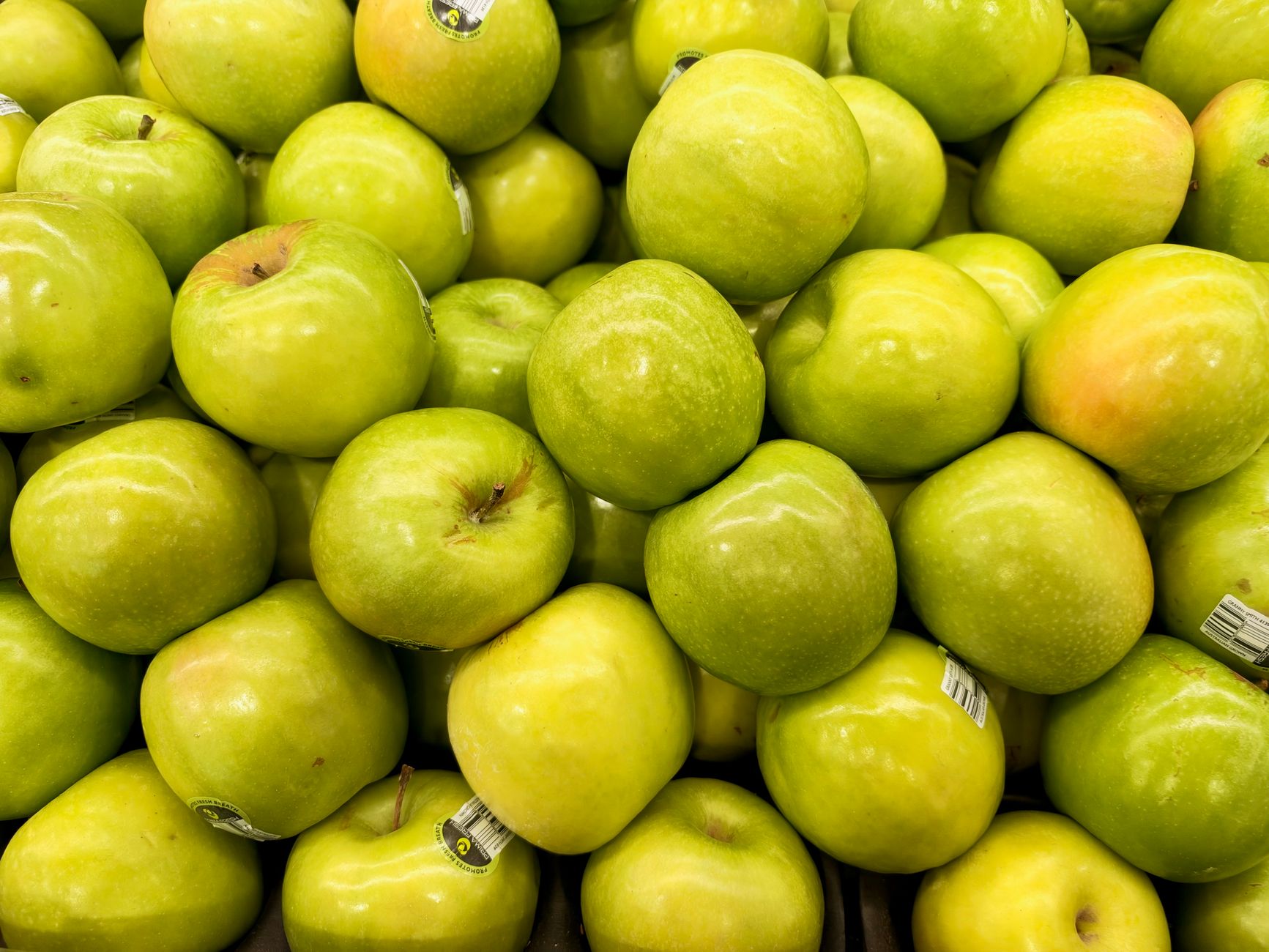
Green apples, also known as tart apples, offer a crisp texture and a refreshing flavor that many people enjoy. But if you’re watching your carb intake or simply curious about the nutritional value of this fruit, it’s essential to know how many carbohydrates are in a green apple. This article will provide a detailed look at the carbohydrate content of green apples, their nutritional profile, and how to incorporate them into your diet.
We will also explore the different varieties of green apples, serving sizes, and how they fit into various dietary preferences. So, let’s delve deeper into the world of green apples and understand their carbohydrate content.
How Many Carbs Are in a Green Apple?
A medium-sized green apple (approximately 182 grams) typically contains around 25 grams of carbohydrates. This includes 4 grams of fiber and 19 grams of sugar. The fiber content can be beneficial, aiding digestion and promoting satiety. Therefore, the net carbs, which are calculated by subtracting fiber from total carbohydrates, are about 21 grams. These numbers may vary slightly depending on the specific variety and size of the apple.
Nutritional Breakdown of Green Apples
In addition to their carbohydrate content, it’s helpful to examine the overall nutritional profile of green apples. Here’s what you can expect from a medium-sized green apple:
- Calories: 95
- Carbohydrates: 25 grams
- Fiber: 4 grams
- Sugars: 19 grams
- Protein: 0.5 grams
- Fat: 0.3 grams
- Vitamin C: 14% of the Daily Value (DV)
- Potassium: 6% of the DV
- Vitamin K: 5% of the DV
This profile shows that green apples are relatively low in calories while being a good source of key vitamins and minerals, particularly vitamin C and potassium.
Health Benefits of Green Apples
Beyond their carb content, green apples offer several health benefits that make them a valuable addition to your diet.
High Fiber Content
The fiber in green apples contributes to digestive health and may help in maintaining a healthy weight by promoting a feeling of fullness. Eating fiber-rich foods can support regular bowel movements and reduce the risk of constipation.
Rich in Antioxidants
Green apples are rich in antioxidants, which can help combat oxidative stress and inflammation in the body. Antioxidants like flavonoids and polyphenols may reduce the risk of chronic diseases, including heart disease and diabetes.
Support Heart Health
Due to their high fiber and antioxidant content, green apples can support heart health by reducing cholesterol levels and improving overall cardiovascular health.
Boost Immune Function
With a good amount of vitamin C, green apples can help strengthen the immune system, enhance skin health, and promote the healing process.
Choosing and Storing Green Apples
When selecting green apples, look for firm apples with bright, vibrant skin. Avoid those with bruises, soft spots, or signs of decay. Storage is important to maintain their crispness and flavor:
- Store them in the refrigerator to keep them fresh for a longer period.
- Keep apples in a breathable plastic bag to reduce moisture build-up and prevent spoilage.
- Consume within a few weeks of purchase for optimal flavor and texture.
Incorporating Green Apples into Your Diet
Green apples can be versatile in the kitchen, making them suitable for various dishes. Here are some practical ways to enjoy green apples:
Slices with Nut Butter
Pairing green apple slices with nut butter, like almond or peanut butter, makes for a delicious and satisfying snack that provides healthy fats and protein to balance the carbohydrates.
Green Apple Salad
Add diced green apples to salads for crunch and flavor. They pair well with spinach, walnuts, and feta cheese drizzled with a light vinaigrette.
Homemade Applesauce
Prepare homemade applesauce using green apples, which can be less sweet than red apple varieties, offering a unique tartness. Cook the apples with a bit of water, cinnamon, and sugar or a sugar substitute.
Green Apple Smoothies
Incorporate green apples into smoothies for a refreshing boost. Blend them with spinach, banana, and a hit of yogurt for a nutrient-packed drink.
Green Apple Recipes
Here are two recipes that feature green apples, providing delicious options for incorporating them into meals.
Green Apple Compote
This green apple compote is easy to prepare and can be served as a topping for oatmeal, pancakes, or yogurt.
Ingredients:
- 4-5 medium green apples, peeled, cored, and diced
- 1/2 cup water
- 1/4 cup sugar (or sugar substitute)
- 1 teaspoon cinnamon
Method:
- Combine the diced apples, water, sugar, and cinnamon in a saucepan over medium heat.
- Cook for about 15-20 minutes, stirring occasionally, until the apples are soft and the mixture has thickened.
- Remove from heat and let cool before serving.
Green Apple and Chicken Salad
This protein-rich salad combines the tartness of green apples with savory chicken, perfect for lunch or dinner.
Ingredients:
- 2 cups cooked chicken, shredded
- 1 medium green apple, diced
- 1/4 cup walnuts, chopped
- 1/4 cup celery, diced
- 1/2 cup Greek yogurt
- Salt and pepper to taste
Method:
- In a large bowl, combine the shredded chicken, diced apple, walnuts, and celery.
- Add Greek yogurt and mix until well-combined. Season with salt and pepper to taste.
- Serve on a bed of greens or in a sandwich.
Dietary Considerations
Green apples can fit into various dietary preferences and plans, including:
Low-Carbohydrate Diets
If you are following a low-carb diet, it’s essential to monitor your portion sizes. While a medium green apple contains approximately 21 net grams of carbs, smaller apples have fewer carbs and may be easier to incorporate.
Keto-Friendly Options
The moderate carbohydrate content of green apples may not align with strict ketogenic diets. However, they can be enjoyed in small amounts for flavor or used in dishes as a garnish.
Whole Food Plant-Based Diets
For those following a whole food plant-based lifestyle, green apples are an excellent choice, providing essential nutrients without processed ingredients.
Common Mistakes and Troubleshooting
When using green apples in recipes, consider the following tips to avoid common mistakes:
- Choose the right apple variety: Not all green apples are the same. Granny Smith is the most common type associated with the green apple flavor profile.
- Balance flavors: If you’re using green apples in sweet dishes, consider adjusting sugar or sweeteners based on the natural tartness of the apple.
- Avoid browning: To prevent sliced apples from browning, toss them with lemon juice immediately after cutting.
Final Thoughts on Green Apples
Green apples are a nutritious fruit that offers a range of health benefits and unique culinary applications. With approximately 21 grams of net carbs in a medium-sized apple, they can fit well into various diet plans.
Incorporating green apples into your meals can provide you with tasty and nutrient-dense options that please both the palate and the body. Consider experimenting with the recipes and suggestions mentioned to enjoy this delicious fruit in all its forms.
Explore related recipes and guides to enhance your culinary adventures, such as learning how many carbs are in eggs or trying your hand at a delightful apple compote recipe.