
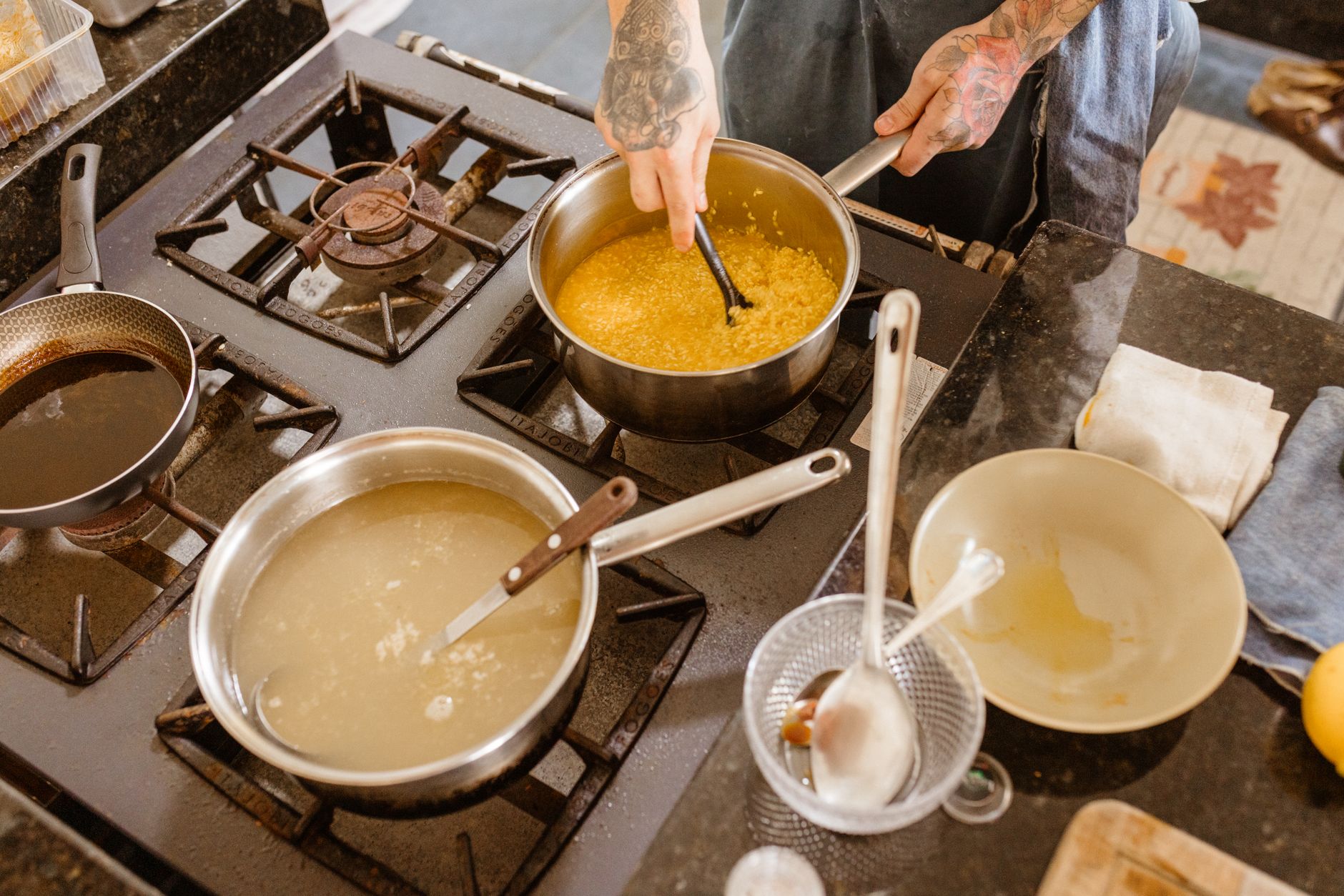
A stockpot is an essential piece of kitchen equipment designed for boiling, simmering, and making stocks and soups. Its large capacity makes it ideal for preparing broth, cooking pasta, or even canning and preserving food. Understanding how to use a stockpot effectively can elevate your cooking and make meal preparation more efficient.
In this article, we will explore the nuances of a stockpot, from its design features to the types of recipes best suited for it. We’ll discuss how to maximize its potential, tips for choosing the right stockpot, and share some delightful stock and soup recipes to kick-start your cooking journey.
What Is a Stockpot?
A stockpot is a large, deep pot that typically ranges from 6 to 20 quarts in capacity. It is often made from materials like stainless steel, aluminum, or enameled cast iron, allowing for excellent heat conduction. The tall sides and broad bottom provide ample surface area for simmering and boiling, which is essential for extracting flavors from ingredients.
Key Features of a Stockpot
Understanding a stockpot’s features is crucial in judging its effectiveness. Here are the primary characteristics to consider:
- Size: Stockpots come in various sizes, making them versatile for different cooking needs. Common sizes include 8, 12, and 16 quarts, allowing you to choose one that suits your cooking habits.
- Material: Most stockpots are made from stainless steel for durability and even heating. Some may have a non-stick coating, while others feature an aluminum core for improved heat distribution.
- Lid: A snug-fitting lid is essential for retaining moisture and flavor during cooking. It should also be heavy enough to prevent boiling over.
- Handles: Stockpots typically feature two sturdy handles for easy lifting and transport. Ensure they are designed to stay cool even while cooking.
- Stovetop Compatibility: Check if your stockpot is compatible with the cooking surface you use, including induction, gas, or electric stovetops.
Common Uses for a Stockpot
The versatility of a stockpot makes it suitable for various cooking tasks. Below are some common uses:
- Making Stock: The primary purpose of a stockpot is to create stocks using bones, meat, or vegetables. A longer cooking time allows for richer flavors and more nutrients to infuse into the liquid.
- Cooking Pasta: Its large size is perfect for boiling water and cooking large quantities of pasta, ensuring even cooking without overcrowding.
- Simmering Soups and Stews: Stockpots are excellent for preparing hearty soups and stews that require long simmering times to develop flavors.
- Canning and Preserving: Some stockpots are deep enough to accommodate jars for canning, making them ideal for preserving fruits, vegetables, and sauces.
- Boiling Seafood: Prepare seafood boils by using your stockpot to cook large quantities of shellfish or crab, making it a popular choice for gatherings.
How to Use a Stockpot Effectively
To get the most out of your stockpot, consider these tips when using it for various recipes:
- Preparing Ingredients: Always prepare your ingredients before cooking. Chop vegetables, measure spices, and prepare any proteins to ensure a smooth cooking process.
- Building Flavors: Start by sautéing aromatics like onions, garlic, and carrots in a bit of oil before adding broth or water. This builds a robust foundation for your stock or soup.
- Layering Ingredients: When making stock, add harder ingredients first (like bones or root vegetables) and softer ones later (like leafy greens) to ensure even cooking.
- Monitor Heat Levels: Maintain a steady simmer rather than a rolling boil to extract maximum flavor without clouding the stock.
- Straining Your Stock: After cooking, use a fine-mesh strainer to separate the liquid from solids. Let the stock cool before refrigerating or freezing.
Choosing the Right Stockpot for Your Kitchen
Selection can seem overwhelming with so many options available. Here are some factors to help you choose the perfect stockpot:
- Capacity: Consider how many people you generally cook for. A 12-quart pot is ideal for a family, while a larger pot is suitable for anyone who loves batch cooking.
- Material: Choose stainless steel for durability and versatility. If you prefer even heating, look for pots with an aluminum base.
- Type of Lid: Decide whether you prefer a glass lid for visibility or a solid lid for better heat retention.
- Price Point: Stockpots range from budget-friendly to high-end. Set a budget, but remember that investing in quality may save you from buying replacements.
Flavor Profiles: How to Enhance Your Stock and Soups
The flavor of your stock or soup can vary greatly based on the ingredients used. Consider the following elements to enhance the taste:
Ingredients to Enhance Flavor
- Fresh Herbs: Use herbs like thyme, bay leaves, or parsley to add depth. It’s best to tie them together with kitchen twine for easy removal.
- Spices: Whole spices like peppercorns, cloves, and coriander not only add flavor but can be removed easily before serving.
- Aromatics: Ingredients like onion, carrot, celery (often referred to as mirepoix), and garlic will form the base flavor of most stocks and soups.
- Acid: Adding a splash of vinegar or a squeeze of lemon juice at the end of cooking can brighten flavors.
- Salt: Use salt judiciously throughout the cooking process to enhance flavors without overwhelming them.
Types of Stock: Differences and Uses
When using a stockpot, you’ll want to consider what type of stock you plan to create. The main types include:
- Chicken Stock: Made with chicken bones, mirepoix, and herbs, it provides a rich, savory flavor. Perfect for soups, risottos, and sauces.
- Beef Stock: Made from roasted beef bones, this stock has a deeper flavor. It’s suitable for hearty stews or as a base for gravies.
- Vegetable Stock: Combining various vegetables and herbs, this stock is ideal for plant-based dishes. Use an assortment of aromatic vegetables.
- Fish Stock: Developed using fish bones and shells, it has a lighter, more delicate flavor. This stock is perfect for seafood chowders or risottos.
Serving Suggestions for Stocks and Soups
Once you have made your stock or soup, serving it creatively can enhance the overall dining experience. Here are some options:
- Garnishes: Fresh herbs, a dollop of sour cream, or a sprinkle of cheese can transform a simple dish into something special.
- Accompaniments: Serve with crusty bread, warm biscuits, or a side salad for a complete meal.
- Presentation: Using bowls of different sizes and shapes can make your dish visually appealing. Consider adding colorful ingredients for contrast.
- Temperature: For a comforting experience, serve soups hot, while chilled soups should be prepared ahead of time and stored in the refrigerator.
Common Mistakes with Stockpots and How to Avoid Them
New cooks may face challenges while using a stockpot. Here’s a list of common mistakes and tips to avoid them:
- Overcrowding: Adding too many ingredients can prevent even cooking. Stick to recipes or recommended volumes to ensure proper simmering.
- Not Skimming: When making stock, be sure to skim off any foam or impurities that rise to the surface. This will result in clearer, cleaner-flavored stock.
- Cooking at Too High a Temperature: A rolling boil can break down ingredients too quickly. Maintain a gentle simmer for the best results.
- Ignoring Cooking Times: Each ingredient has an optimal cooking time. For a rich stock, cook longer than you might with simpler soups or stews.
- Neglecting to Taste: Regularly taste your stock or soup as it cooks. This helps you adjust seasoning and ensures optimal flavor.
Storage and Reheating Guidance
After preparing your stock or soup, proper storage is essential for preserving freshness. Consider these tips:
- Cooling: Allow your stock or soup to cool to room temperature before transferring to storage containers.
- Freezing: Stock can be frozen in batches. Use ice cube trays for small portions or larger containers for bigger quantities.
- Refrigerating: Most stocks and soups can be stored in the refrigerator for 3 to 4 days. Use airtight containers to maintain freshness.
- Reheating: Reheat your soup or stock gently on the stovetop, avoiding overly high temperatures that could affect flavor and consistency.
Conclusion
A stockpot is an invaluable tool for any kitchen, bringing the ability to create flavorful stocks, hearty soups, and more. With various uses, choosing a suitable stockpot can elevate your cooking repertoire significantly. Whether used for preparing a comforting soup or making stock from scratch, understanding the essential features and techniques will serve you well.
For practical recipes, try our chicken stock recipe or dive into the world of flavors with our shrimp stock recipe. Each will guide you in mastering stock preparation, enhancing your culinary skills.