
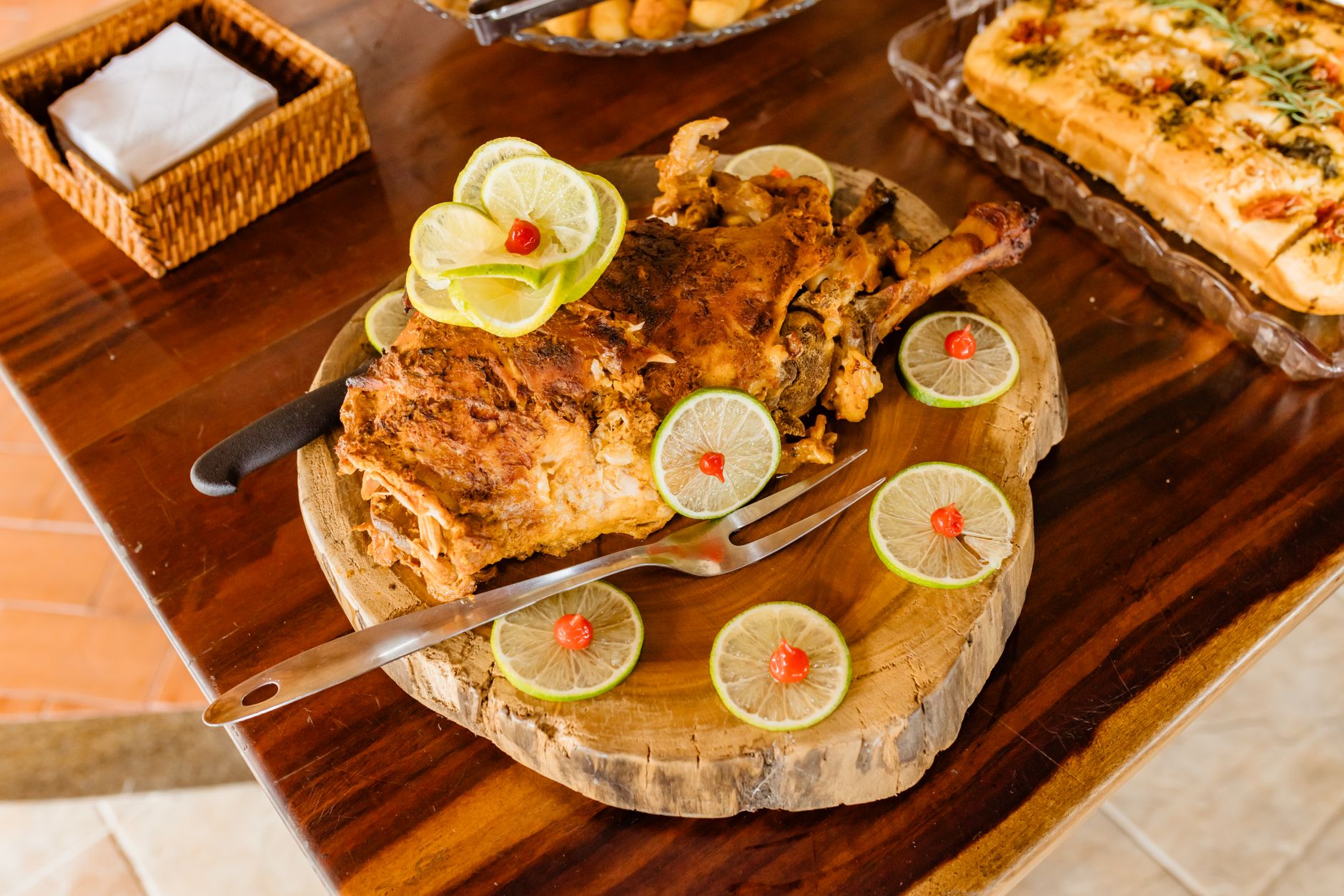
Roasting is a popular cooking method that involves cooking food evenly in an oven or over an open fire. This technique is often used for large cuts of meat, vegetables, and even fruits, creating a delicious caramelization on the outside while keeping the interior moist and flavorful.
Understanding how to effectively prepare, cook, and serve a roast opens up a world of culinary possibilities. This article will guide you through everything you need to know about roasting, including its techniques, the types of roasts, and practical tips for perfecting this method.
What Is a Roast?
A roast typically refers to a large cut of meat that is cooked slowly using dry heat, often in an oven or over a fire. The goal of roasting is to achieve a crispy exterior and a tender interior, with a deep, rich flavor profile. While traditionally associated with meats such as beef, pork, and chicken, roasting can also be applied to vegetables and fruits, enhancing their natural flavors.
Types of Roasts
There are several types of roasts, each with its unique attributes and flavors. Here are some common roast varieties:
- Beef Roasts: Includes cuts like ribeye, tenderloin, and chuck, often seasoned with herbs and cooked to varying degrees of doneness.
- Pork Roasts: Options such as pork loin, shoulder, and ham can be roasted with a variety of glazes and spices.
- Chicken and Poultry Roasts: Whole chickens, ducks, or turkeys are commonly roasted for special occasions or family dinners.
- Vegetable Roasts: Root vegetables, squash, and seasonal produce enhance their sweetness and flavors when roasted.
- Fruit Roasts: Fruits like apples and peaches can be roasted for desserts, enhancing their sweetness and softness.
Preparation for Roasting
Preparation is critical for successful roasting. Here are the steps to follow:
Selecting the Right Cut
Choosing the appropriate cut of meat is essential for roasting. Consider the following:
- Marbling: Look for cuts with good marbling, which adds flavor and moisture during cooking.
- Size: Opt for larger cuts, as they benefit from slow roasting.
- Quality: Fresh meat from a reputable source is key for a delicious outcome.
Seasoning the Roast
Flavoring your roast enhances its taste. Here are some tips:
- Marinades: A marinade works well for tougher cuts, helping to tenderize and infuse flavors.
- Rub: Consider a dry rub made from herbs, spices, and oil to create a flavorful crust.
- Salt: Generously salt your roast, as it draws out moisture and enhances flavor.
Preparation Time
Depending on the size and type of roast, preparation can take anywhere from 15 minutes to several hours. For marinated roasts, allow time to soak up flavors—ideally overnight.
Cooking Techniques for Roasting
Roasting can be done using various techniques, and understanding each will help you achieve optimum results.
Key Techniques
- Dry Heat Roasting: This is the most common method and requires setting the oven to the desired temperature, typically between 325°F and 450°F, depending on the cut of meat and desired doneness.
- Searing: Start by searing the roast in a hot pan before placing it in the oven. This adds an extra layer of flavor and caramelization.
- Low and Slow Cooking: For tougher cuts like brisket, roasting at a lower temperature of about 225°F for extended periods will render it tender.
Essential Equipment
Having the right tools makes a difference. Here are some essentials:
- Roasting Pan: A heavy-duty pan with tall sides to catch drippings.
- Meat Thermometer: Ensures your roast reaches the proper internal temperature.
- Carving Knife: A sharp knife is essential for slicing your roast evenly.
- Cutting Board: A sturdy surface for carving and serving.
Step-by-Step Roasting Method
To better understand the roasting process, follow these steps for a classic roast.
Ingredients for a Basic Roast
- 1 (4-5 pounds) beef rib roast or your choice of meat
- 2 tablespoons olive oil
- 2 teaspoons kosher salt
- 1 teaspoon black pepper
- 2 tablespoons fresh rosemary, chopped or 2 teaspoons dried
- 4 cloves garlic, minced
Preparation and Cooking Steps
- Preheat the Oven: Set the oven to 375°F (190°C).
- Season the Roast: Rub the olive oil all over your roast. Then, mix the salt, pepper, rosemary, and garlic. Apply this mixture generously to every side of the meat.
- Place in the Roasting Pan: Place the roast in a roasting pan, fat side up. This allows the juices to drizzle over the meat as it cooks.
- Insert the Thermometer: If using a meat thermometer, insert it into the thickest part of the roast without touching the bone.
- Roast: Place in the preheated oven and roast for about 1 hour and 30 minutes for medium-rare (135°F internal temperature). Adjust the time based on the weight and desired doneness.
- Rest the Roast: Once done, remove it from the oven and let it rest for 15-20 minutes before carving to allow juices to redistribute.
- Carve and Serve: Use a sharp carving knife to slice against the grain and serve with your choice of sides.
Tips for Perfect Roasting
Achieving the perfect roast requires attention to detail and understanding common pitfalls. Here are some helpful tips:
- Don’t Skip the Resting Period: Giving your roast time to rest after cooking helps the juices settle, leading to a more succulent final product.
- Monitor Internal Temperature: Overcooking is a common mistake. Use a meat thermometer to ensure accurate doneness.
- Utilize the Drippings: Collect drippings from the roasting pan for making gravy or sauce that complements your roast.
- Rotate the Pan: Halfway through roasting, rotate the pan for even cooking.
Common Mistakes and Troubleshooting
While roasting is relatively straightforward, certain mistakes can result in subpar outcomes. Here are some common issues and solutions:
Common Mistakes
- Skipping the Thermometer: Relying on visual cues instead of measuring temperature can lead to over or undercooked meat.
- Not Preheating the Oven: Always preheat your oven to ensure even cooking.
- Using the Wrong Cut: Some cuts are better suited for roasting. Avoid cuts that require more moist cooking methods.
Troubleshooting Tips
- If Overcooked: Consider a gravy or sauce to add moisture to the meat.
- If Undercooked: Return to the oven immediately, covering loosely with foil to retain moisture.
Serving Suggestions for Roasted Dishes
Roasts can be served with a variety of side dishes to enhance the meal. Here are some classic options:
- Mashed Potatoes: Creamy potatoes pair perfectly with gravy made from roast drippings.
- Roasted Vegetables: Seasonal roasted vegetables add color and flavor on the plate.
- Gravy: A rich gravy made from pan drippings elevates the overall taste.
- Salads: A fresh green salad can brighten the meal and add balance.
Make-Ahead and Storage Guidance
If you’re planning ahead, there are strategies for preparing roasts in advance:
Make-Ahead Guidance
- Marinate overnight for deeper flavor.
- Season the roast several hours before cooking to allow spices to penetrate.
- Cook and cool the roast in advance, then slice and reheat gently in the oven before serving.
Storage Tips
Store any leftover roast in an airtight container in the refrigerator for up to 3-4 days. Reheat in the oven or microwave until warmed through. For longer storage, freeze sliced roast for up to 3 months, ensuring it’s well-wrapped to prevent freezer burn.
Conclusion
Roasting is a versatile cooking method that can transform not just meats but also vegetables and fruits into delicious, flavor-rich dishes. With the right techniques and preparation, you can create a memorable roast for any occasion. Why not start planning your next meal with a flavorful roast and explore related recipes like a Dutch oven pot roast or a smoked chuck roast?
For more practical tips, check out our guides on Dutch oven pot roast and smoked chuck roast.