
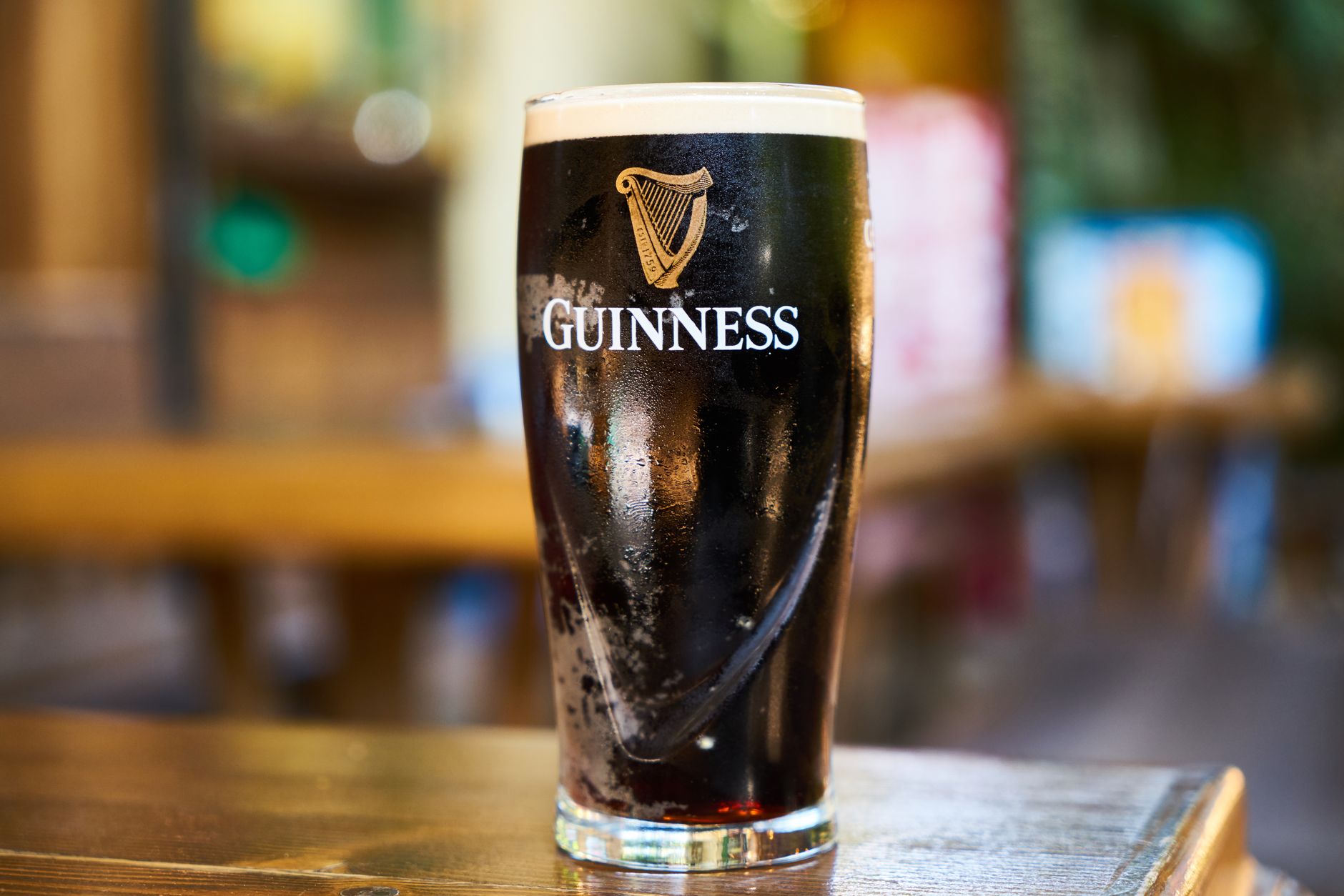
Are you curious about the nutritional content of your favorite beer? Specifically, when it comes to enjoying a pint of Guinness, many people wonder how many calories it contains. Understanding the calorie content of alcoholic beverages like Guinness can help those monitoring their diet or simply looking to make informed drinking choices.
This article will delve into how many calories are in a pint of Guinness, explore its nutritional details, and discuss serving sizes, health considerations, and how it fits within a balanced diet. Whether you’re an occasional drinker or a stout aficionado, this information is valuable for enjoying your drink while maintaining an awareness of your overall nutrition.
How Many Calories Are In A Guinness?
A standard 12-ounce (355 ml) serving of Guinness Draught contains approximately 125 calories. This calorie count can vary slightly based on the specific type of Guinness you choose, with some variations containing a few more calories due to differences in ingredients and brewing techniques.
Guinness is often appreciated not just for its rich flavor and creamy texture but also for its relatively low calorie count compared to many other beers. This makes it a popular choice for those who enjoy a full-bodied beer without consuming an excessive number of calories.
Nutritional Breakdown of Guinness
Beyond just calories, understanding the broader nutritional profile of Guinness can aid in making more informed choices about your beverage options. Here’s a closer look at the primary nutrients found in a typical serving of Guinness Draught:
- Calories: 125
- Carbohydrates: 9.5 grams
- Protein: 1 gram
- Alcohol by Volume (ABV): 4.2%
- Sugars: 0 grams
- Fat: 0 grams
- Sodium: 10 milligrams
Guinness is low in sugar and virtually fat-free, making it a decent option compared to other higher-calorie or sugary alcoholic beverages. The protein content is relatively low but still gives it a slightly hearty feel, suitable for pairing with various foods.
Understanding Serving Sizes
When considering the calorie content, it’s important to note the serving size. A standard pint of Guinness in a bar is typically 16 ounces (473 ml). Here’s the necessary breakdown:
- 12 ounces (355 ml): Approximately 125 calories
- 16 ounces (473 ml): Approximately 170 calories
- 20 ounces (591 ml): Approximately 210 calories
Keep in mind that the nutrition information can also vary based on the style of Guinness. For instance, the Guinness Extra Stout, available in many regions, has a slightly higher calorie amount of about 150 calories per 12 ounces.
Health Considerations
When considering consumption of any alcoholic beverage, moderation is key. While Guinness may have fewer calories compared to many craft beers or ciders, it’s still important to limit intake to reduce potential health risks associated with excessive alcohol consumption.
Some studies suggest that moderate consumption of certain types of beer may have some potential health benefits, such as improving bone density and enhancing heart health due to the presence of certain nutrients and antioxidants. However, these benefits must be balanced against the potential risks associated with drinking too much alcohol, including liver disease, heart issues, and addiction.
How to Incorporate Guinness Into Your Diet
For those who enjoy Guinness, it can be incorporated in various ways while keeping an eye on overall calorie counts. Below are a few practical ideas:
1. Pairing with Food
Guinness pairs well with hearty meals, making it a great choice for enjoying alongside a rich stew, barbecue dishes, or even as part of a recipe. Below are some great pairing considerations:
- Meats: It complements well with beef, lamb, or game meats.
- Cheeses: Blue cheeses, cheddars, and rich creamy cheeses.
- Sweets: Desserts made with chocolate or coffee.
2. Cooking with Guinness
Using Guinness as a cooking ingredient can add depth and unique flavors to your dishes. Here are a few ideas:
- Guinness Beef Stew: Adds richness to casseroles and braised dishes.
- Brownies: Incorporate it into brownie batter for a delightful twist.
- Marinades: Use it to enhance flavors in meats before grilling.
3. Moderation and Mindfulness
When enjoying Guinness or any beer, being mindful of portion sizes can help maintain balance in your diet. Consider enjoying smaller servings, sipping slowly, or opting for a glass instead of a pint.
Common Myths About Guinness
Many misconceptions surround Guinness, often leading to unnecessary concern or allure. Here are a few common myths debunked:
Myth 1: Guinness is High in Calories
As discussed, while Guinness has a rich flavor, its calorie count is relatively low compared to many other beers, especially lighter lagers.
Myth 2: Stouts are Heavier Than Other Beers
Many people believe that stouts like Guinness weigh heavy on the stomach due to their darker appearance or perceived richness. While they often have a fuller flavor, the lighter body of Guinness can be deceiving.
Myth 3: Guinness is Only for Beer Experts
Many novices to the beer world can enjoy Guinness without fear of social scrutiny. Like any beverage, experimentation is the key to discovering personal preferences.
Exploring Variations of Guinness
Guinness has diversified its offerings over the years, leading to an array of variations on the classic recipe. Here’s a rundown of some popular types:
- Guinness Draught: The iconic version served in most bars.
- Guinness Extra Stout: Offers a heavier, richer taste with slightly higher calories.
- Guinness Nitro IPA: A hoppy version that introduces new flavors.
- Guinness Blonde: A lighter lager option with a different flavor profile.
Each version has distinct flavor notes and calories, so sampling different types can provide a more rounded understanding of the brand.
Conclusion
Guinness is a classic beer with a rich history and a relatively low calorie content compared to other popular beer choices, making it an appealing option for many. With moderation and mindful consumption, it can be enjoyed without significant caloric impact on your diet. Remember to pair it wisely with foods or use it creatively in cooking to enhance your culinary experience.
For those looking to explore further, consider trying your hand at recipes that use Guinness, or explore new beer pairing techniques. Understanding dietary choices about alcoholic beverages brings added awareness to your food experience, helping you make nourishing choices that align with your lifestyle.