
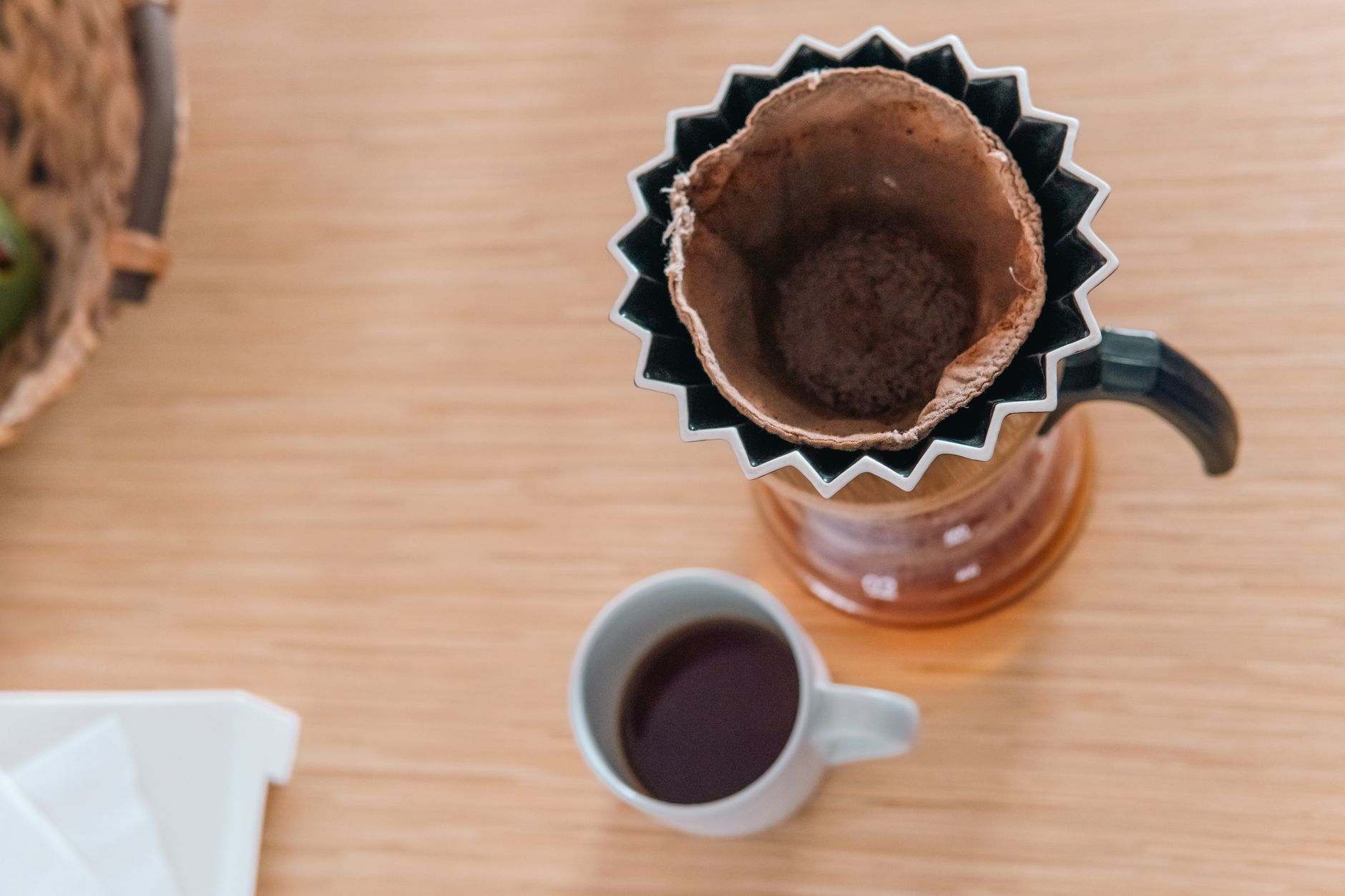
A pour over coffee is a method of brewing that involves manually pouring hot water over coffee grounds in a filter. This technique allows for greater control over the brewing process, leading to a more flavorful and aromatic cup of coffee. Many coffee enthusiasts appreciate pour over for its precision and the ability to highlight the unique characteristics of different beans.
The pour over method appeals to those who enjoy a hands-on approach to brewing, enabling experimentation with water temperature, grind size, and brew time. The result is a clean and bright cup of coffee that many consider superior to other brewing techniques.
What Is a Pour Over?
A pour over is a manual brewing technique that involves pouring hot water evenly over coffee grounds contained in a filter. The water passes through the coffee, extracting oils and flavors before dripping into a carafe or mug below. Pour over brewing allows coffee drinkers to control many variables, ensuring a cup tailored to their taste.
Ingredients for a Pour Over
To prepare a pour over coffee, you’ll need just a few key ingredients and supplies:
- Fresh coffee beans: 15-30 grams (depending on your taste preference and yield)
- Filtered water: 250-500 milliliters, heated to approximately 200°F (93°C)
- Optional additions: Milk, cream, sugar, or flavor syrups, depending on personal preference
Choosing the Right Coffee Beans
The type of coffee beans you select is crucial for achieving the flavor you desire. Here are some tips for selecting beans:
- Single-origin vs. blends: Single-origin beans often have distinctive flavors that can shine through the pour over method. Blends may provide a more balanced cup.
- Roast level: Light roasts tend to have more brightness and floral notes, while dark roasts offer a more robust, smoky flavor.
- Freshness: Opt for whole beans and grind them just before brewing to maximize flavor.
Flavor Profile of Pour Over Coffee
The pour over method highlights the coffee’s unique flavor profile and aromatic qualities. Characteristics that are often pronounced include:
- Acidity: Many pour over coffees display a vibrant acidity that gives them a bright and sparkling quality.
- Sweetness: The right brewing technique can enhance the natural sweetness of the coffee, balancing acidity for a pleasant overall taste.
- Complexity: Different beans can produce a wide range of flavors, from fruity to nutty to chocolate-like qualities, which are often more noticeable in a pour over.
Essential Equipment for Pour Over Brewing
To successfully brew a pour-over coffee, you’ll need specific equipment:
- Pour over brewer: Options include the Chemex, Hario V60, or Kalita Wave. Each provides a different brewing experience.
- Coffee grinder: A burr grinder is preferable for consistent grind size, which is essential for even extraction.
- Water kettle: A gooseneck kettle allows for precise pouring and control over water flow.
- Scale: A digital kitchen scale helps measure the coffee and water accurately for consistency.
- Filter: Specific to your chosen brewer, either paper or metal filters will be required.
Step-by-Step Pour Over Brewing Method
Follow these steps for a successful pour over coffee that showcases its flavor:
- Boil the water: Heat filtered water in a kettle until it reaches approximately 200°F (93°C).
- Weigh and grind the coffee: Measure out the desired amount of coffee beans (15-30 grams) and grind them to a medium-coarse consistency, similar to sea salt.
- Setup the brewer: Place your pour-over brewer on a mug or carafe. Insert the filter and rinse it with hot water to remove any paper taste and preheat the brewer.
- Add coffee grounds: Pour the ground coffee into the filter, leveling it out for an even extraction.
- Bloom the coffee: Slowly pour a small amount of hot water (about double the weight of coffee) over the grounds in a circular motion. Let it sit for 30-45 seconds. This step allows the coffee to degas and enhances flavors.
- Continue pouring: After blooming, slowly pour the remaining hot water over the coffee in a steady, circular motion, ensuring all grounds are saturated evenly. Aim to finish pouring within 3-4 minutes.
- Let it drip: Allow the water to fully drip through the coffee. This should take about 2-3 minutes.
- Serve: Once brewing is complete, remove the brewer, discard the grounds and filter, and enjoy your coffee. Customize with milk, cream, or sugar if desired.
Serving Suggestions for Pour Over Coffee
Pour over coffee can be enjoyed in various ways, depending on personal flavor preferences:
- Black: Savor it neat to appreciate the full flavor profile.
- With milk or cream: Add dairy or non-dairy options to create a creamier texture.
- Sweeteners: Enhance the flavor by adding sugar, syrups, or flavored creamers.
- Flavor complements: Pair with pastries, cookies, or light snacks to enhance your coffee-drinking experience.
Troubleshooting Common Pour Over Mistakes
Even with careful preparation, users may encounter issues while brewing. Here are some common mistakes and solutions:
- Too bitter: This often results from over-extraction. Use a coarser grind or reduce brew time.
- Too watery: This may be due to under-extraction. Use a finer grind or increase brew time.
- Uneven extraction: Ensure an even bed of coffee grounds and distribute the water evenly while pouring.
- Inconsistent taste: Always measure coffee and water accurately and use freshly ground coffee.
Variations on Pour Over Coffee
Experimenting with pour over methods can yield various flavors and experiences. Consider these variations:
- Cold brew pour over: Use cold or room temperature water for a smooth, refreshing coffee experience.
- Spiced pour over: Add spices like cinnamon or nutmeg to your coffee grounds before brewing for added flavor.
- Flavored pour over: Infuse your coffee with flavored syrups or extracts after brewing.
- Single-serve brewing: Consider using single-serve pour over cones for quick, individual servings.
Storage and Freshness of Coffee Beans
To keep your coffee fresh and maintain optimal flavor, consider the following best practices:
- Airtight containers: Store coffee beans in an airtight container away from light, moisture, and heat.
- Grind just before brewing: Always grind coffee only when you’re ready to brew to preserve freshness.
- Buy in small batches: Purchase smaller amounts of coffee to ensure you’re using it before it loses flavor.
Make-Ahead Options
If you want to save time, consider these make-ahead tips:
- Pre-weigh coffee: Measure and grind your coffee in advance so it’s ready to brew when you need it.
- Prepare equipment: Set up your pour-over brewer and filter the night before for extra convenience.
- Batch brewing: Brew multiple servings at once and store in an insulated carafe to keep warm.
Conclusion
Pour over coffee is a nuanced brewing method that allows for a tailored coffee experience. By selecting quality ingredients and utilizing precise techniques, you can craft a delicious cup that highlights the unique flavors of your beans. Whether you prepare it black or with cream and sugar, a well-brewed pour over will satisfy any coffee lover’s palate. Start experimenting with different beans and brewing variables to truly appreciate this artisanal method.
For more enjoyable coffee recipes, check out this cortado recipe or learn to make an iced americano. Explore other brewing methods and tips to elevate your coffee experience!