
That first sip of a perfectly balanced cortado is pure morning magic: espresso and steamed milk in equal parts, creating a smooth, creamy shot that hits different than a cappuccino or flat white.
This Spanish coffee classic deserves a spot in your home brewing routine because it sits in that sweet spot between intensity and creaminess, letting the espresso shine without getting lost in foam. What makes it special is the technique and precision, not fancy equipment.
Why You’ll Love This Recipe
A cortado delivers balanced flavor with minimal fuss.
- Equal parts espresso and steamed milk create perfect harmony between coffee strength and silky texture.
- Takes under five minutes from start to finish, making it ideal for weekday mornings.
- Requires only basic equipment: an espresso machine and a milk frother or steam wand.
- Works with any quality espresso beans and whole milk, no specialty ingredients needed.
- Smaller than a latte but more milk than a macchiato, so it satisfies without overdoing caffeine.
My Experience Making This Recipe
I discovered the cortado at a tiny cafe in Madrid, and honestly, it ruined me for regular coffee shop ordering. The barista pulled a double shot with such confidence, steamed the milk to exactly the right temperature, and poured it with zero hesitation into a small cup.
What struck me most was how the espresso didn’t disappear into a sea of milk like it does in a latte. Instead, the two components married together, each one still tasting like itself but somehow better.
Back home, I spent weeks nailing the ratio and steam technique until I could replicate that same balance. Now I make one almost every morning, and it’s become my gold standard for what coffee should taste like.
Recipe Overview
- Recipe Name: Cortado
- Servings: 1
- Prep Time: 2 minutes
- Cook Time: 3 minutes
- Total Time: 5 minutes
- Course: Beverage
- Cuisine: Spanish
- Calories per Serving: 40
Equipment You Will Need
- Espresso machine with grouphead and portafilter
- Burr grinder (for freshly ground beans)
- Milk pitcher (stainless steel, 12 ounce capacity)
- Steam wand or milk frother
- Kitchen scale (optional but recommended)
- Tamper
- Cortado cup or small coffee cup (4 to 6 ounces)
- Thermometer (optional, helpful for learning)
Ingredients for Cortado
- Espresso beans: 18 to 20 grams (freshly ground)
- Whole milk: 3 to 4 ounces (cold, full fat preferred)
- Filtered water: as needed for the espresso machine
Ingredient Notes and Substitutions
- Espresso beans must be fresh (roasted within two weeks) and ground right before brewing so they hold their natural oils and complex flavors. Substitute with any whole bean coffee you love, though single-origin beans will taste more refined than blends.
- Whole milk steams beautifully and creates that silky microfoam that defines a cortado. Substitute with 2% milk (less creamy but works), oat milk (froths well and adds subtle sweetness), or almond milk (froths less easily, pick a barista-blend version).
- Filtered water prevents mineral buildup inside your espresso machine and tastes cleaner than tap water. Substitute with bottled water if filtered water is not available.
How to Make Cortado
Step 1: Prepare Your Espresso Machine
Turn on your espresso machine and let it heat for at least 10 minutes until the grouphead reaches optimal temperature (around 200 degrees Fahrenheit). This warmup time matters because a cold grouphead pulls weak, sour shots.
Run water through the grouphead for a few seconds to purge any old coffee residue and heat the portafilter.
Step 2: Grind Your Espresso Beans
Grind 18 to 20 grams of fresh espresso beans to a fine consistency, similar to table salt in texture. The fineness slows water flow through the grounds just enough to extract rich flavor in the short brewing window.
Grind immediately before brewing so the beans stay fragrant and the volatile oils remain locked in.
Step 3: Tamp the Portafilter
Load the ground espresso into the portafilter and level it off with your finger. Press down firmly with the tamper using even, perpendicular pressure to create a compact puck that resists water flow uniformly.
A loose tamp leads to channeling (water rushing through weak spots), which pulls a thin, sour shot instead of a balanced one.
Step 4: Lock and Pull the Shot
Secure the portafilter into the grouphead with a firm twist, and position your cup underneath. Press the brew button or pull the lever, and watch the espresso begin flowing.
A proper double shot (1 ounce to 1.5 ounces total) should take 25 to 30 seconds to pull, flowing at a steady rate without spurting or dripping too slowly. You want a rich, dark stream, not a blonde trickle.
Step 5: Pour Espresso into Your Cup
Once your double shot finishes, pour it immediately into your cortado cup. The espresso will be hot and syrupy on top with a layer of crema (golden foam).
Keep this espresso warm and ready for the milk while you steam.
Step 6: Fill and Position Your Milk Pitcher
Pour cold whole milk into a stainless steel pitcher, filling it to about one-third capacity. The milk expands as it steams, so you need room.
Position the steam wand just below the milk surface at a slight angle to create a gentle whirlpool.
Step 7: Steam the Milk
Turn on the steam wand and submerge it into the milk, tilting the pitcher slightly to create a spinning motion. This rolling motion aerates the milk evenly and incorporates warmth simultaneously.
Listen for a soft, continuous hissing sound; too loud means the wand is too shallow and creating big bubbles instead of microfoam. Keep the wand positioned so the tip barely touches the surface of the milk for the first few seconds to incorporate air, then plunge it deeper to heat the rest.
Step 8: Check the Milk Temperature
Steam until the pitcher becomes too hot to touch (around 150 to 155 degrees Fahrenheit internally). At this temperature, the milk reaches that perfect creamy consistency without scalding the delicate flavors.
Remove the steam wand and turn it off, then purge it immediately with a quick burst of steam into an empty container to clear any milk residue.
Step 9: Pour the Steamed Milk
Swirl the milk pitcher gently a few times to even out the microfoam and ensure consistent texture. Pour the milk slowly into your espresso cup, aiming for a 1:1 ratio by volume (equal parts espresso to steamed milk).
The milk should blend smoothly with the espresso, creating a unified beverage with a thin layer of microfoam on top, not a head of stiff foam like a cappuccino.
Pro Tip: The cortado succeeds or fails on milk texture, so invest time learning to steam properly; practice with 10 pitchers of milk before you judge whether your technique works.
Tips for the Best Cortado
- Dial in your grind before pulling the shot by running a test pull and adjusting coarseness based on timing; if it pulls too fast (under 20 seconds), grind finer; too slow (over 35 seconds), grind coarser.
- Use fresh beans roasted within two weeks, as older beans lose aromatics and produce flat-tasting shots no matter how perfectly you pull them.
- Keep your milk pitcher and cup warm by running hot water through them right before use, which stabilizes the milk temperature during steaming and prevents shocking the espresso.
- Taste your shots straight to understand your baseline; only by experiencing plain espresso can you hear how the milk changes the flavor profile and know whether you need adjustment.
- Clean your steam wand immediately after each use with a damp cloth, then run steam through it; dried milk inside creates buildup that makes future steaming uneven.
- Pull your shot and steam the milk in parallel, not sequentially, so both components stay hot when you combine them.
Common Mistakes to Avoid
- Over-tamping the portafilter compacts the puck so much that water barely flows through, pulling a bitter, slow shot; use firm, even pressure without excessive force.
- Steaming milk with the wand too far from the surface creates large, uneven bubbles instead of microfoam, resulting in a grainy texture that separates from the espresso.
- Using cold milk directly from the refrigerator requires longer steaming time, which scorches the milk and makes it taste burned; always start with cold milk, not room temperature.
- Letting espresso sit more than a few seconds before adding milk causes the shot to cool and the crema to dissipate, weakening the final drink.
- Pouring too quickly or splashing the milk into the espresso breaks the microfoam structure and creates an uneven, bubbly texture instead of creamy body.
Serving Suggestions
A cortado stands alone as a perfect morning ritual, but pairing it with the right food transforms it into a complete experience.
- Pair with a flaky, buttery croissant that contrasts the coffee’s intensity with delicate sweetness.
- Serve alongside a slice of dense olive oil cake for a Spanish cafe experience.
- Enjoy with a simple pastry like a palmier or almond biscuit that won’t overpower the espresso.
- Combine with avocado toast on crusty bread for a modern brunch pairing.
- Have it black without food if you want to appreciate the full complexity of your espresso beans.
Variations to Try
- Cortado con licor: Add a small splash of brandy or whiskey after pouring the milk for a boozy evening version with warming spice notes.
- Cortado Doble: Pull a triple shot instead of double and increase milk to 5 ounces for a larger, slightly more diluted version when you want extended sipping time.
- Cortado with Oat Milk: Swap whole milk for quality barista-blend oat milk, which froths beautifully and adds subtle vanilla undertones that complement medium-roast espresso.
- Flavored Cortado: Add a quarter teaspoon of vanilla extract or a touch of honey to the cup before pouring the espresso for sweetness without overwhelming the coffee.
- Cortado Affogato Style: Pour hot espresso over a small scoop of vanilla ice cream, then top with a small amount of steamed milk for a dessert hybrid.
Dietary Adaptations
- Gluten-free: The cortado itself contains no gluten, but verify that any pastry accompaniment is certified gluten-free if you have celiac disease.
- Dairy-free: Use unsweetened almond milk, oat milk, or coconut milk instead of whole milk; barista-blend versions froth better than regular carton versions.
- Vegan: Combine dairy-free milk with espresso using the same technique; the cortado remains unchanged in method.
- Low-carb or keto: The cortado fits perfectly as is, containing minimal carbs from milk; skip any sugar-laden pastry pairing.
Storage and Reheating
Refrigerator
A cortado is meant to be consumed fresh and hot, so refrigerating it breaks the whole appeal. If you must store leftover espresso, keep it in an airtight container for up to 24 hours.
- Store espresso beans in an airtight container away from light and heat.
- Keep whole milk in the coldest part of your refrigerator for up to seven days after opening.
Freezer
Freezing a prepared cortado ruins the texture, as the milk separates and the espresso becomes bitter. However, you can freeze whole espresso beans for long-term storage.
- Freeze unopened bags of espresso beans for up to three months.
- Thaw beans in the refrigerator overnight before opening the bag to prevent condensation.
Reheating
Reheating a cortado that has cooled destroys the delicate microfoam and changes the coffee’s flavor profile. The best approach is to brew fresh whenever you want one.
- If you must reheat, warm the milk gently in a saucepan and re-steam it before adding to freshly pulled espresso.
- Never microwave a cortado, as this creates uneven heating and separates the foam.
Nutrition Information
| Nutrient | Amount |
|---|---|
| Calories | 40 |
| Total Fat | 2.5 grams |
| Saturated Fat | 1.5 grams |
| Carbohydrates | 3 grams |
| Fiber | 0 grams |
| Sugar | 3 grams |
| Protein | 2 grams |
| Sodium | 35 milligrams |
| Cholesterol | 10 milligrams |
These values are based on a standard cortado made with whole milk and two shots of espresso. Using alternative milk will change the nutritional profile slightly.
Frequently Asked Questions
What is the difference between a cortado and a macchiato?
A cortado uses equal parts espresso and steamed milk, while a macchiato is mostly espresso with just a small splash of milk for texture. The cortado tastes more balanced and creamy, while the macchiato lets the espresso dominate.
Can I make a cortado without an espresso machine?
Not really, because a cortado specifically requires true espresso pressure to extract the concentrated, syrupy shot that defines the drink. Using an Aeropress or Moka pot creates strong coffee but not espresso, so the result tastes different.
How do I know when my milk is steamed correctly?
Properly steamed milk feels silky smooth when you swirl it in the pitcher, pours like wet paint, and sits just below the rim with a thin cap of microfoam. You should not see large bubbles or hear loud hissing sounds.
What grind size should I use for espresso?
Espresso requires a fine grind, finer than drip coffee but not as fine as powder. The exact setting depends on your specific grinder, so adjust based on whether your shots pull too fast or too slow.
Can I use pre-ground espresso instead of grinding beans?
Pre-ground espresso loses aroma and oils within minutes of grinding, so fresh shots taste flat and dull compared to beans ground right before brewing. If you must use pre-ground, buy the smallest amount possible and use it within two days.
What type of milk froths the best?
Whole cow’s milk froths best because the fat content and protein structure create small, stable bubbles that persist. Oat milk froths well too, while almond milk and skim milk create larger, less stable bubbles.
How long should a double espresso shot take to pull?
A properly pulled double shot takes 25 to 30 seconds from the moment water hits the grounds until the flow stops. Shots that pull faster taste thin and sour, while slow shots taste bitter and over-extracted.
Should I use tap water or filtered water in my espresso machine?
Filtered water is strongly recommended because minerals in tap water accumulate inside the espresso machine and cause equipment failure. Filtered water also tastes cleaner and allows the espresso to shine without mineral interference.
Final Thoughts
Making a perfect cortado at home takes practice, but once you nail the technique, you own a skill that rivals any barista. The payoff is undeniable: a balanced, creamy, intensely flavorful coffee that costs pennies to make.
Stop by a local specialty coffee roaster, grab a bag of freshly roasted beans, and commit to pulling five shots this week just to practice. Your mornings will transform, and you’ll discover why the cortado remains a cafe staple across the world.
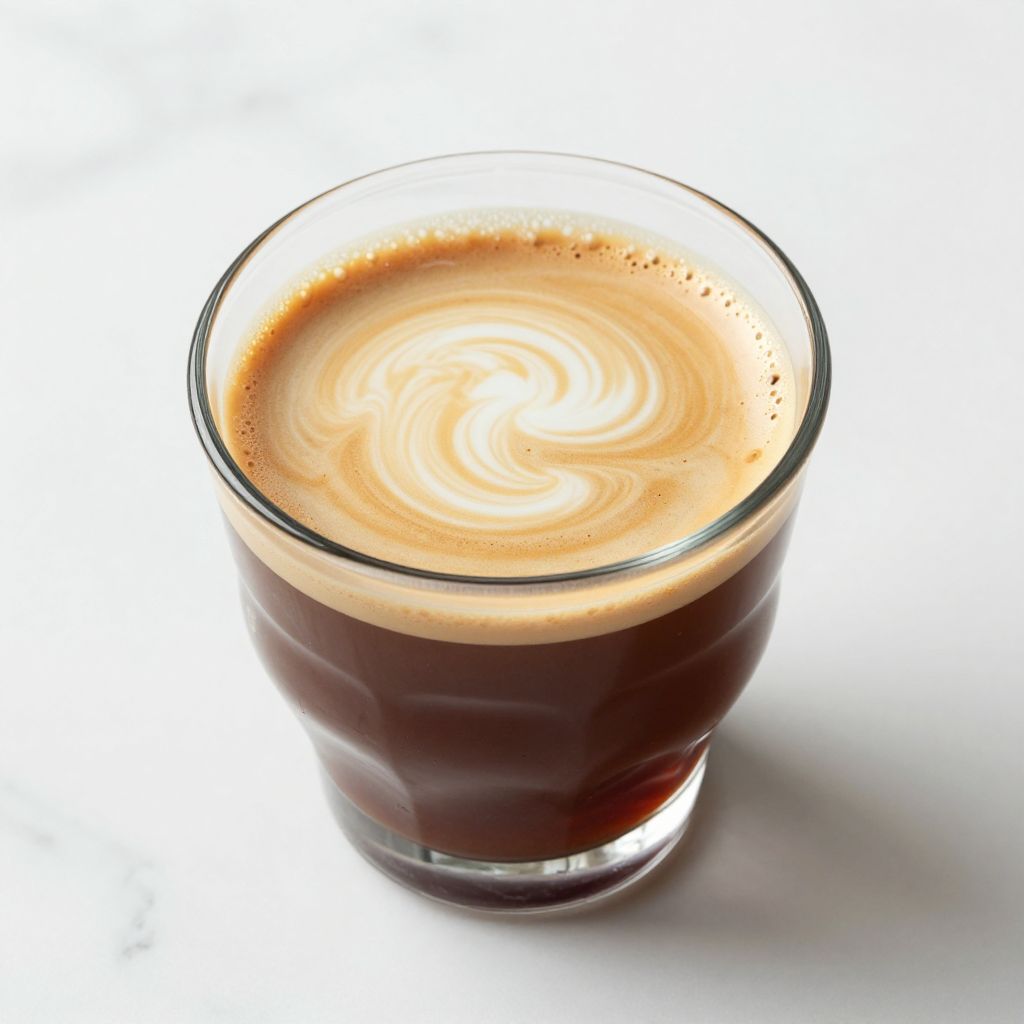
Cortado
Ingredients
Equipment
Method
- Turn on your espresso machine and let it heat for at least 10 minutes until the grouphead reaches optimal temperature (around 200 degrees Fahrenheit). Run water through the grouphead for a few seconds to purge any old coffee residue and heat the portafilter.
- Grind 18 grams of fresh espresso beans to a fine consistency, similar to table salt in texture. Grind immediately before brewing so the beans stay fragrant and the volatile oils remain locked in.
- Load the ground espresso into the portafilter and level it off with your finger. Press down firmly with the tamper using even, perpendicular pressure to create a compact puck that resists water flow uniformly.
- Secure the portafilter into the grouphead with a firm twist, and position your cup underneath. Press the brew button or pull the lever, and watch the espresso begin flowing. A proper double shot should take 25 to 30 seconds to pull.
- Once your double shot finishes, pour it immediately into your cortado cup. Keep this espresso warm and ready for the milk while you steam.
- Pour cold whole milk into a stainless steel pitcher, filling it to about one-third capacity. Position the steam wand just below the milk surface at a slight angle to create a gentle whirlpool.
- Turn on the steam wand and submerge it into the milk, tilting the pitcher slightly to create a spinning motion. Keep the wand positioned so the tip barely touches the surface of the milk for the first few seconds to incorporate air, then plunge it deeper to heat the rest.
- Steam until the pitcher becomes too hot to touch (around 150 to 155 degrees Fahrenheit internally). Remove the steam wand and turn it off, then purge it immediately with a quick burst of steam into an empty container.
- Swirl the milk pitcher gently a few times to even out the microfoam and ensure consistent texture. Pour the milk slowly into your espresso cup, aiming for a 1:1 ratio by volume (equal parts espresso to steamed milk).