
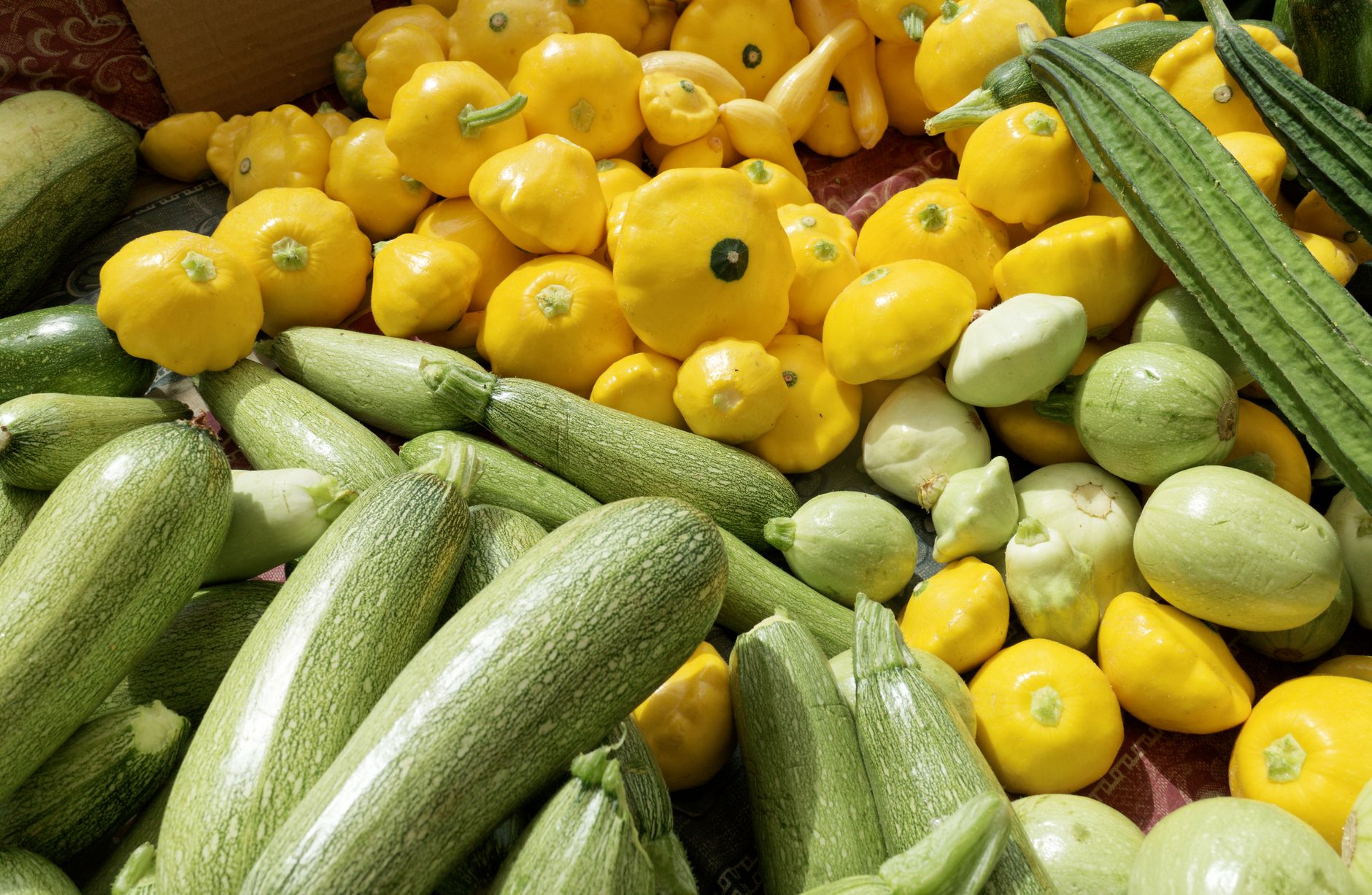
When it comes to vegetables, many people often wonder about the distinctions between similar-looking produce. One common question is whether squash and zucchini are the same. While they both belong to the same family and share several characteristics, they have significant differences that affect their culinary uses, flavors, and textures.
This article will explore the distinctions between squash and zucchini, including their varieties, flavor profiles, nutritional differences, and practical uses in cooking. Whether you’re meal planning, experimenting in the kitchen, or simply curious, this guide will help enhance your culinary knowledge.
Is Squash and Zucchini the Same?
No, squash and zucchini are not the same, although they are closely related. Zucchini is a type of summer squash, while “squash” refers to a broader category that includes both summer and winter varieties. Each has unique characteristics in terms of flavor, texture, and usage in dishes.
What Are Squash and Zucchini?
To understand the differences, let’s break down what squash and zucchini are.
Squash
Squash is a general term for several species of the genus Cucurbita, which includes a variety of shapes, sizes, and colors. There are two main types of squash: summer and winter. Summer squash, including zucchini, is harvested when immature. Winter squash is left to mature on the vine, resulting in thicker skin and a firmer flesh.
- Summer Squash: This variety includes zucchini, yellow squash, pattypan, and crookneck. They are usually tender and have thin skins.
- Winter Squash: This variety includes butternut, acorn, spaghetti, and pumpkin. They have hard outer rinds and can be stored for long periods.
Zucchini
Zucchini is a specific type of summer squash that is typically green, although it can also be yellow or striped. Zucchini is known for its tender flesh and mild flavor, making it versatile for various dishes, from stir-fries to baked goods. When harvested early, zucchinis are smaller and more tender, whereas larger zucchinis may develop a coarser texture.
Taste and Texture Differences
While both zucchini and squash can be used in similar dishes, they have distinctive flavors and textures.
Flavor Profiles
Zucchini has a mild, slightly sweet flavor that allows it to adapt well to different cuisines and dishes. It absorbs flavors well, making it an excellent addition to salads, pasta, and stir-fries.
On the other hand, winter squash varieties like butternut have a richer, sweeter, and nuttier flavor. They are typically used in soups, stews, and baked dishes. The flavor difference significantly impacts the recipes where each is best utilized.
Texture
Zucchini has a tender, almost soft texture when cooked, while summer squash remains somewhat firm during cooking. Winter squash, however, has a dense and creamy texture when cooked, which makes it ideal for purees and roasting.
Nutritional Differences
Both zucchini and squash offer a range of health benefits, including low calories and high vitamin content, but they differ in nutritional composition.
Zucchini Nutrition
A 1-cup serving of raw zucchini contains approximately:
- Calories: 19
- Protein: 1.5 g
- Fat: 0.4 g
- Carbohydrates: 3.9 g
- Fiber: 1 g
- Vitamin C: 22% of the RDI
- Vitamin A: 10% of the RDI
Winter Squash Nutrition
A 1-cup serving of cooked butternut squash contains approximately:
- Calories: 82
- Protein: 2 g
- Fat: 0.2 g
- Carbohydrates: 22 g
- Fiber: 6 g
- Vitamin C: 52% of the RDI
- Vitamin A: 457% of the RDI
While zucchini is lower in calories and carbohydrates, winter squashes like butternut are richer in fiber and vitamins, particularly vitamin A.
Culinary Uses and Cooking Techniques
Understanding how to use zucchini and squash in cooking can enhance your dishes significantly.
Using Zucchini
Zucchini is incredibly versatile and can be used in numerous ways, including:
- Grilling: Slice zucchini into long strips or rounds, brush with olive oil, and grill for 4–5 minutes until tender.
- Stir-frying: Cut zucchini into bite-sized pieces and stir-fry with your choice of protein and vegetables for a quick meal.
- Baking: Grated zucchini can be included in baked goods like muffins and breads for added moisture and nutrition.
- Raw: Zucchini can be spiralized or sliced thinly for salads and as a low-carb alternative to pasta.
Using Winter Squash
Winter squash varieties like butternut or acorn squash find their uses in heartier dishes:
- Roasting: Cut the squash in half, remove the seeds, and roast it cut-side down at 400°F for 30–40 minutes.
- Soup: Cook roasted squash with vegetable broth and spices, then blend for a smooth soup.
- Stuffing: Roasted winter squash can be stuffed with grains, proteins, and veggies for a complete meal.
- Pureeing: Cooked squash can be puréed and used in muffins, pies, or as a sweet filling for pasta.
Practical Substitutions
If you’re in a pinch, knowing how to substitute squash and zucchini can save your meal. Here are some practical suggestions:
- Zucchini for Yellow Squash: These two can easily replace each other in recipes due to similar texture and flavors.
- Winter Squash for Potatoes: Butternut or acorn squash can be used as a lower-carb substitute for potatoes in dishes like soups and casseroles.
- Grated Zucchini for Carrots: In baking, grated zucchini can replace carrots in recipes for added moisture.
Remember that while these substitutions might work well in many recipes, they might alter the dish’s flavor and texture slightly.
Common Mistakes and Troubleshooting
Cooking with zucchini and squash can occasionally lead to mistakes, especially concerning texture and doneness. Here are some tips to avoid common pitfalls:
Overcooking
Both zucchini and squash can become mushy if overcooked. Aim for cooking times of 4–6 minutes for stir-frying and grilling. For roasting winter squash, ensure it’s cooked until tender but not falling apart.
Choosing Fresh Produce
Select zucchini that is firm, smooth, and free from blemishes. For winter squash, look for a hard surface without soft spots, which indicates ripeness and freshness.
Storing Leftovers
Leftover cooked zucchini can be stored in an airtight container in the refrigerator for up to three days. Winter squash can keep for weeks in a cool, dry cellar; however, once cut, it should be refrigerated.
Incorporating Squash and Zucchini into Meal Planning
Including zucchini and squash in your weekly meal plan can provide variety and nutrition. Here are some ideas:
- Weekly Stir-Fry: Use zucchini with bell peppers, carrots, and your choice of protein for a healthy stir-fry.
- Hearty Soups: Incorporate winter squash into soups, combined with beans and spices for protein and flavor.
- Zucchini Noodles: Spiralize zucchini and use it in place of pasta for a low-carb dinner option topped with marinara sauce.
- Breakfast Muffins: Bake zucchini muffins to kick off the day with some hidden veggies.
Meal planning with these vegetables can help maximize your grocery budget since they are often economical and versatile.
Cultural Significance and Culinary Traditions
In different cuisines, squash and zucchini hold varying levels of importance:
Italian Cuisine
In Italian cuisine, zucchini is a staple ingredient found in dishes such as ratatouille or as part of antipasti platters. It’s often sautéed and seasoned with garlic and herbs.
Mexican Cuisine
In Mexican cooking, summer squash is known as “calabacitas” and frequently included in casseroles, tacos and as a side dish. Seasoning plays a crucial role in bringing out its flavor.
American Cuisine
In the United States, both zucchini and squash are prevalent in summer gardens. They’re often used in barbecues, casseroles, and baked dishes.
Final Thoughts
Understanding the differences between squash and zucchini can greatly enhance your cooking repertoire. Each type brings unique flavors, textures, and nutritional benefits to your meals, allowing you to experiment with diverse dishes.
Next time you’re at the grocery store or farmer’s market, remember these insights to help you choose the right ingredients for your recipes. Whether you’re grilling zucchini or roasting butternut squash, these versatile vegetables will elevate your meals.
For more delicious ways to enjoy squash, check out our honeynut squash recipe or learn how to make zucchini relish. Explore, experiment, and enjoy cooking with these nutritious vegetables!