
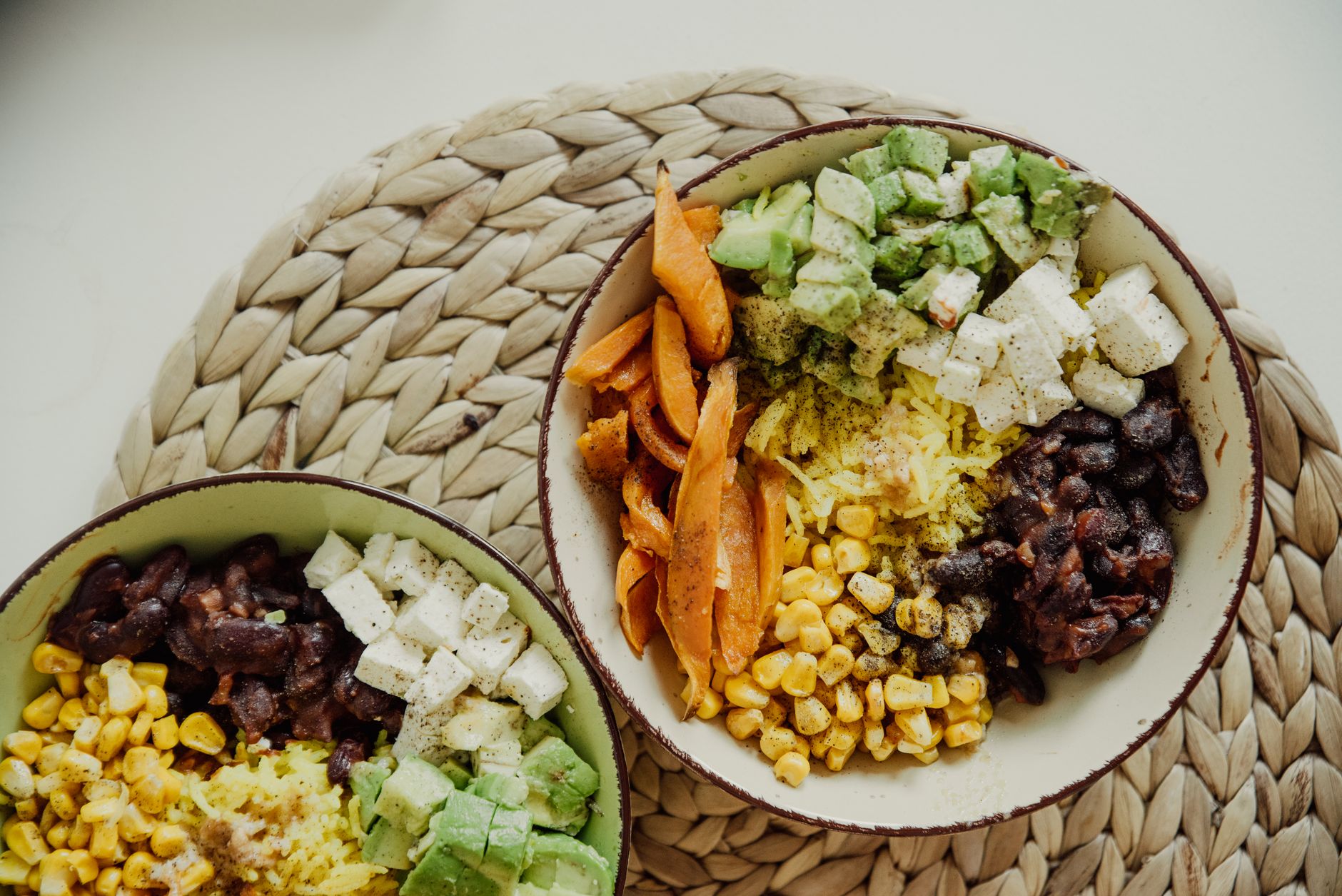
The plant-based diet has gained immense popularity in recent years, catching the attention of health enthusiasts, environmental advocates, and culinary adventurers alike. It emphasizes the consumption of whole, unprocessed plant foods while minimizing or completely avoiding animal products.
This article will explore the principles of a plant-based diet, its potential health benefits, practical meal planning tips, essential ingredients, common substitutions, and pitfalls to avoid. By understanding these aspects, you can create a delicious, nutrient-rich culinary experience.
What Is A Plant Based Diet?
A plant-based diet primarily consists of foods derived from plants, including fruits, vegetables, grains, nuts, seeds, and legumes. The focus is on whole foods, which are minimally processed and retain their natural nutrients. While a completely vegan diet excludes all animal products, a plant-based diet is more flexible, allowing for occasional consumption of animal-derived products.
It’s essential to distinguish between a plant-based diet and a vegetarian or vegan diet. While all of these diets prioritize plant foods, a vegetarian diet may include dairy and eggs, and a vegan diet excludes all animal products entirely. A plant-based diet, however, may include these products in moderation.
Key Benefits of a Plant Based Diet
Adopting a plant-based diet can lead to a range of health benefits, but explicit claims should be made based on studies and currently understood benefits. Following are some of the benefits commonly associated with plant-based eating:
- Heart Health: High in fiber and low in saturated fats, plant-based diets can reduce the risk of heart disease.
- Weight Management: Plant-based foods are often lower in calories and high in essential nutrients, making it easier to maintain a healthy weight.
- Reduced Risk of Chronic Diseases: Diets rich in fruits, vegetables, and whole grains have been linked to lower rates of diabetes, hypertension, and certain types of cancer.
- Improved Digestion: High fiber content supports digestive health and regular bowel movements.
- Environmental Impact: Reducing animal product consumption lessens the ecological footprint and is often considered more sustainable.
Core Components of a Plant Based Diet
Understanding the main components of a plant-based diet is crucial for successful adherence. Here are the primary categories of foods that should be included:
Fruits and Vegetables
These form the foundation of any plant-based diet. Aim for a variety of colors to ensure a wide range of nutrients. Fresh, frozen, dried, and canned options can all contribute positively.
Whole Grains
Whole grains, such as brown rice, quinoa, oats, and barley, provide essential carbohydrates, fiber, and minerals. They are more nutritious than refined grains, which have been stripped of their nutrients.
Nuts and Seeds
Nuts and seeds, including almonds, walnuts, chia seeds, and flaxseeds, are excellent sources of healthy fats, protein, and micronutrients. Incorporate these into your diet but be mindful of portion sizes, as they are calorie-dense.
Legumes and Pulses
Beans, lentils, chickpeas, and peas are rich in protein and fiber, making them essential components of a plant-based diet. They can be the main source of protein for those who choose to limit animal products.
Herbs and Spices
Herbs and spices enhance flavor and add antioxidants to your meals. Fresh herbs like basil, cilantro, or parsley can brighten dishes, while spices such as turmeric, cumin, and paprika can introduce warmth or complexity.
Meal Planning on a Plant Based Diet
Effective meal planning can make adopting a plant-based lifestyle much more manageable. Here’s a simple guide to help you get started.
Creating a Meal Plan
- Assess Your Nutritional Needs: Consider your individual dietary needs and goals. Are you looking to lose weight or manage a specific health condition?
- Plan Your Week: Outline meals for the week, including breakfast, lunch, dinner, and snacks.
- Incorporate Variety: Include different fruits, vegetables, grains, and protein sources each day to keep meals exciting.
- Batch Preparation: Prepare meals in bulk to save time. Cook large portions of grains and legumes that you can later use in different recipes.
- Shopping List: Create a list of ingredients based on your meal plan to avoid impulse buys and reduce food waste.
Sample Weekly Meal Plan
| Day | Breakfast | Lunch | Dinner | Snacks |
|---|---|---|---|---|
| Monday | Oatmeal with bananas and walnuts | Quinoa salad with mixed vegetables | Vegetable stir-fry with tofu | Carrot sticks with hummus |
| Tuesday | Chia pudding with berries | Chickpea wrap with spinach and avocado | Lentil soup with whole grain bread | Apple slices with almond butter |
| Wednesday | Smoothie with kale, banana, and almond milk | Brown rice and black bean bowl with salsa | Stuffed bell peppers with quinoa and veggies | Trail mix (nuts and dried fruit) |
| Thursday | Whole grain toast with avocado and tomato | Mixed green salad with nuts and citrus vinaigrette | Pasta with marinara sauce and roasted vegetables | Popcorn with nutritional yeast |
| Friday | Smoothie bowl topped with seeds and fruits | Vegetable sushi rolls | Curry with chickpeas and spinach over rice | Energy balls made from oats and nut butter |
| Saturday | Fruit salad with coconut flakes | Roasted vegetable and hummus platter | Stuffed zucchini boats with quinoa | Dried seaweed snacks |
| Sunday | Pancakes made with oat flour and topped with maple syrup | Lentil and vegetable shepherd’s pie | Grilled vegetable kebabs with couscous | Yogurt (plant-based) with granola |
Essential Ingredients for a Plant Based Diet
Taking stock of a well-stocked pantry can help simplify meal preparation. Here’s a detailed list of essential ingredients:
Fruits
- Apples
- Bananas
- Berries (strawberries, blueberries, etc.)
- Citrus (oranges, lemons, limes)
- Mangoes
- Avocados
Vegetables
- Spinach
- Kale
- Broccoli
- Bell peppers
- Carrots
- Sweet potatoes
Grains
- Brown rice
- Quinoa
- Oats
- Whole wheat pasta
- Barley
- Bulgur
Proteins
- Chickpeas
- Lentils (green, red, black)
- Tofu
- Tempeh
- Nuts (walnuts, almonds, peanuts)
- Seeds (chia seeds, flaxseeds, pumpkin seeds)
Condiments and Extras
- Olive oil
- Balsamic vinegar
- Nut butter (peanut, almond)
- Soy sauce or tamari
- Spices (cumin, cinnamon, turmeric)
- Herbs (basil, parsley, cilantro)
Ingredient Substitutions
For those new to plant-based cooking, understanding how to substitute ingredients can open up countless culinary possibilities. Here are some practical substitutions:
Dairy Alternatives
- Milk: Use almond milk, soy milk, oat milk, or coconut milk.
- Yogurt: Try coconut yogurt, almond yogurt, or soy yogurt.
- Cheese: Nutritional yeast provides a cheesy flavor without dairy.
Meat Alternatives
- Chicken: Tofu or tempeh can be marinated and grilled or sautéed.
- Ground beef: Use lentils or a mix of mushrooms and walnuts.
- Fish: Consider marinated tofu or chickpea salads to provide a similar texture or taste.
Egg Alternatives
- Scrambled Eggs: Use tofu scrambled with turmeric and spinach for a similar look.
- Baking: Applesauce or mashed banana can substitute for eggs in baking recipes.
Common Mistakes to Avoid
While transitioning to a plant-based diet, many individuals encounter challenges. Here are common mistakes to watch out for:
- Over-Reliance on Processed Foods: Many plant-based alternatives are heavily processed and can be high in sodium or added sugars.
- Neglecting Protein Sources: Ensure adequate protein intake by incorporating a variety of legumes, grains, and seeds.
- Insufficient Variety: Eating the same foods repeatedly can lead to nutrient deficiencies. Aim for a colorful plate.
- Ignoring Nutritional Balance: It is essential to incorporate a balance of carbohydrates, fats, and protein in each meal.
Tips for Transitioning to a Plant Based Diet
Making significant dietary changes can feel daunting. Here are some tips to ease into a plant-based lifestyle:
- Start Slow: Incorporate more plant-based meals gradually rather than switching overnight.
- Explore New Recipes: Search for exciting plant-based recipes and experiment with different cuisines.
- Join a Community: Engaging with others on the same journey can provide motivation and support.
- Educate Yourself: Read books, blogs, or watch documentaries to learn more about the benefits of plant-based eating.
Storage and Reheating Tips
Fresh produce and prepared plant-based meals can last longer with proper storage. Here are some tips:
- Fruits and Vegetables: Store fruits and vegetables in the refrigerator to prolong freshness. Keep them in crisper drawers.
- Cooked Grains and Legumes: Store leftovers in airtight containers. They can be kept in the refrigerator for up to four days or frozen for longer storage.
- Reheating: When reheating plant-based meals, use the microwave or stovetop. Add a splash of water to prevent drying.
Transitioning to a plant-based diet can be an enriching culinary adventure that brings health benefits, environmental awareness, and a diverse range of flavors to your meals. Start by exploring new recipes, planning your meals, and stocking your pantry with essential ingredients.
For a flavorful addition to your plant-based breakfast routine, try this chia pudding recipe that combines coconut milk with nutritious seeds. For a quick plant-based snack, check out this hummus recipe without tahini that’s perfect for dipping or spreading.