
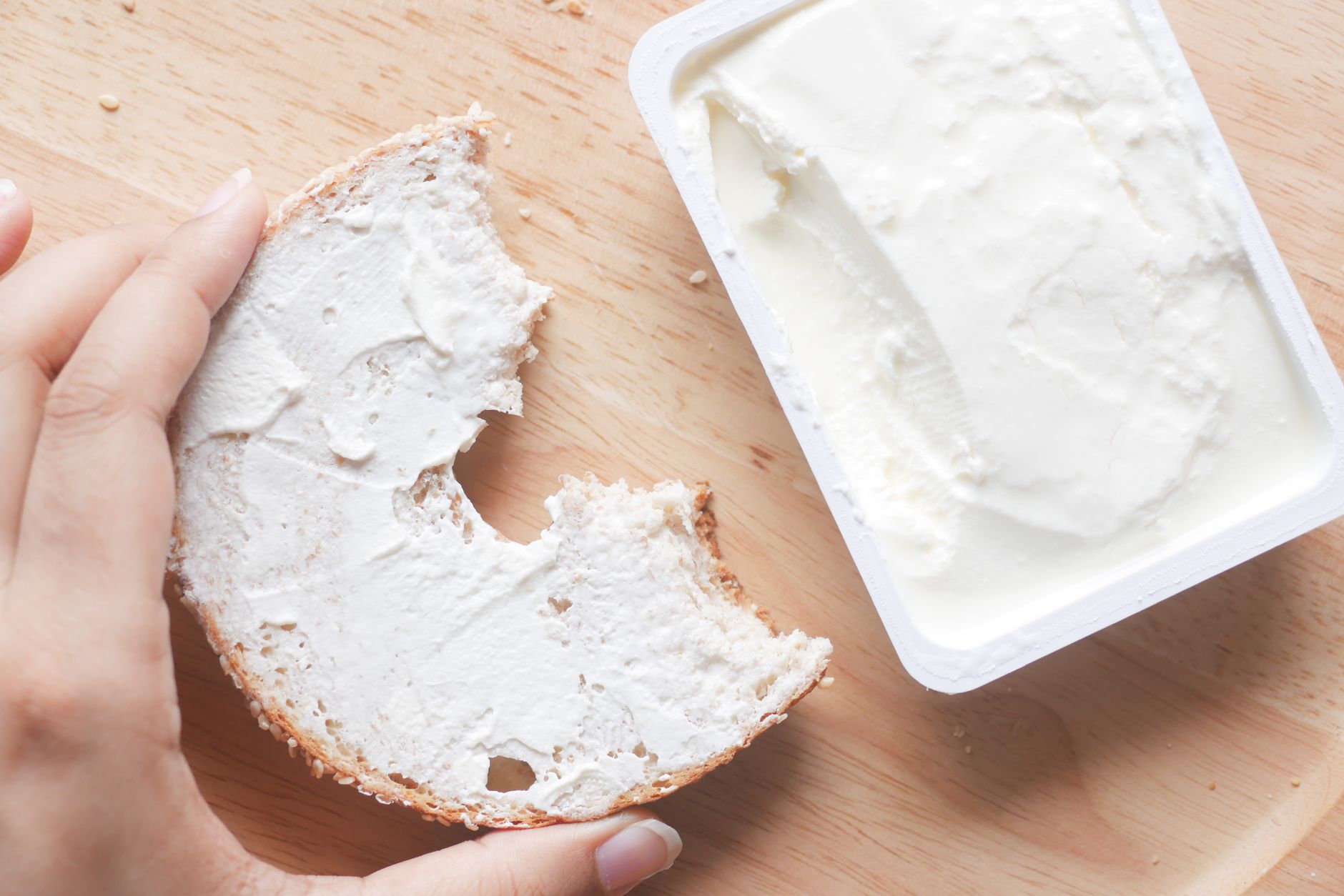
Cream cheese is a versatile ingredient beloved for its creamy consistency and tangy flavor. However, many home cooks and bakers may find themselves in need of a substitute due to dietary restrictions, ingredient availability, or personal taste preferences. Understanding what acts as a good substitute for cream cheese can open up a world of culinary possibilities.
This guide delves into various alternatives to cream cheese, offering insights into their flavors, textures, and appropriate culinary uses. Whether you’re preparing a frosting, cheesecake, or a savory dip, we’ve got you covered with practical swaps and ratios.
What Is a Good Substitute for Cream Cheese?
There are many good substitutes for cream cheese, including Greek yogurt, ricotta cheese, cottage cheese, sour cream, and even some plant-based options. Each substitute varies in flavor, texture, and fat content, so it’s important to choose the one that best suits your specific recipe and desired outcome.
Understanding Cream Cheese
Cream cheese is a soft, spreadable dairy product with a fat content typically around 33%. It has a rich, creamy texture with a mild tang, making it ideal for both sweet and savory dishes.
It is often used in recipes for frosting, cheesecakes, creamy dips, and in spreads. Its smooth texture can also enhance the mouthfeel of dishes, creating a rich and delightful dining experience.
Characteristics of Cream Cheese Substitutes
When selecting a substitute for cream cheese, consider the following characteristics: flavor, texture, fat content, and how well it holds up in the cooking or baking process. Understanding these factors can help ensure that your substitutes perform well in recipes.
1. Greek Yogurt
Greek yogurt is a popular alternative for cream cheese due to its thick texture and tangy flavor. It is lower in fat and calories, making it a healthier option.
- Flavor: Tangy and slightly sour.
- Texture: Thick and creamy, but may not be as rich.
- Fat Content: Lower than cream cheese; typically around 10% fat.
- Use Ratio: 1:1 substitute for cream cheese.
2. Ricotta Cheese
Ricotta cheese is another versatile option, especially in savory dishes. It has a slightly grainy texture compared to cream cheese.
- Flavor: Mild and slightly sweet.
- Texture: Creamy but can be slightly grainy; blend for a smoother consistency.
- Fat Content: Typically around 10-14% fat depending on the brand.
- Use Ratio: 1:1 substitute for cream cheese.
3. Cottage Cheese
Cottage cheese is a lower-fat option often used in health-oriented recipes. It’s chunkier than cream cheese, so it’s ideal for recipes where a thicker consistency is acceptable.
- Flavor: Mild with a slight tang.
- Texture: Chunky; blend for a smoother consistency.
- Fat Content: Ranges from 1% to 4% fat.
- Use Ratio: 1:1 substitute for cream cheese; blending improves texture.
4. Sour Cream
Sour cream is another creamy dairy product that can replace cream cheese. It adds a tangy flavor to dishes.
- Flavor: Tangy and rich.
- Texture: Smooth and creamy.
- Fat Content: Around 20% fat.
- Use Ratio: 1:1 substitute for cream cheese.
5. Mascarpone
Mascarpone is an Italian cream cheese that is ultra-rich and creamy, making it a fantastic substitute in dessert recipes.
- Flavor: Rich and slightly sweet.
- Texture: Very creamy and smooth.
- Fat Content: Around 44% fat.
- Use Ratio: 1:1 substitute for cream cheese.
6. Plant-Based Options
For those following a plant-based diet, there are several options available, including silken tofu and almond cream cheese, which can replicate some of the functions of cream cheese.
- Silken Tofu: Milder in flavor; blend until smooth. Use at a 1:1 ratio.
- Almond or Cashew Cream Cheese: Creamy with nutty flavor; use at a 1:1 ratio.
Using Substitutes in Recipes
Knowing which substitute to use is only the first step. Properly incorporating them into recipes can determine the success of your dish. Here are considerations for using substitutes in various contexts:
Baking
When substituting cream cheese in baking, aim for a similar fat content to maintain the structure and moisture of the baked goods. High-fat substitutes like mascarpone or ricotta provide a closer match in richness.
Frosting
In frosting recipes, Greek yogurt or mascarpone can lend a great creaminess. However, be mindful that substitutes like Greek yogurt can change the texture, making it less spreadable unless powdered sugar is adjusted accordingly.
Dip and Spreads
For dips and spreads, ricotta, sour cream, or cottage cheese can easily replace cream cheese. Blending these options can help achieve that desired smoothness.
Common Mistakes When Substituting Cream Cheese
While substituting cream cheese, it’s essential to avoid a few common pitfalls:
- Not Adjusting Quantities: Always measure substitutes carefully to maintain balance.
- Overlooking Flavor Profile: Pay attention to how a substitute’s flavor might change the dish.
- Ignoring Texture Needs: Some substitutes require blending to reach a suitable consistency.
Adjusting Recipes for Substitutes
After selecting a substitute, you may need to adjust other ingredient ratios in your recipe. Here’s how you can sensibly modify recipes:
- Add sugar or sweetener to less sweet substitutes like Greek yogurt to balance flavors in dessert recipes.
- When using liquid-based substitutes, reduce the amount of other liquids in the recipe to avoid a watery consistency.
- If using a firmer alternative like ricotta, increase moisture levels through additional liquids like milk or water.
Storage Guidelines for Substitutes
Different substitutes may have different storage requirements:
- Greek yogurt typically lasts for 1-2 weeks in the fridge once opened.
- Ricotta cheese should be consumed within a week after opening.
- Cottage cheese can last for about 1-2 weeks in the fridge, depending on packaging.
- Sour cream usually retains good quality for 1-3 weeks post-opening.
- Mascarpone must be used within a week after opening, as it is highly perishable.
Conclusion
Selecting a substitute for cream cheese is about understanding the specific needs of your recipe and how various alternatives contribute to flavor, texture, and overall culinary success. With this knowledge, you can navigate the kitchen more effectively, ensuring that your dishes remain delightful and satisfying.
Explore related recipes and cooking tips to expand your culinary repertoire. Check out our whipped ricotta recipe and discover a delicious creamy ramen recipe that might inspire your next meal.