
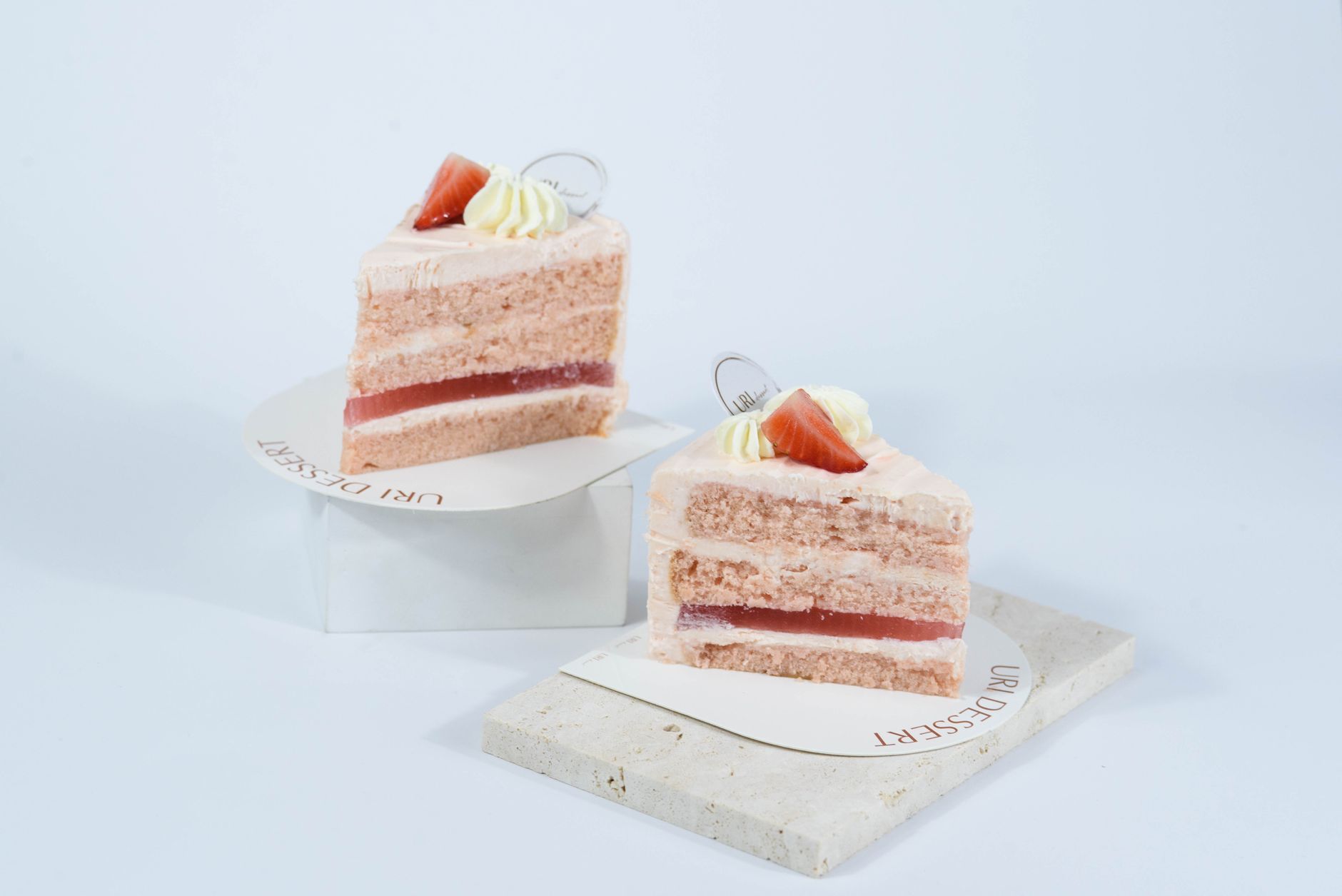
Fruit cake is a dense, rich cake made with a variety of candied or dried fruits, nuts, and spices, typically sweetened with sugar or syrup. This cake has a long-standing tradition in many cultures, often made for special occasions such as weddings, holidays, and other festive celebrations.
Its unique flavor profile and texture make fruit cake a delightful indulgence, yet it can be misunderstood or even dismissed by some. Understanding its ingredients, taste, culinary uses, and how to prepare it can make you appreciate this classic dessert more.
What Is a Fruit Cake?
A fruit cake is primarily composed of candied and dried fruits, nuts, and spices, combined with a rich batter that often includes eggs, butter, and sugar. Baking methods can vary, as do the specific fruit and nut combinations used, but the result is a hearty, flavorful cake that boasts a variety of textures from chewy fruits to crunchy nuts. Fruit cakes can be enjoyed fresh, but they also have excellent longevity, particularly when preserved properly.
Ingredients in Fruit Cake
The essential ingredients for a traditional fruit cake include the following:
- Candied and dried fruits: Common choices include raisins, currants, sultanas, cherries, apricots, and dates.
- Nuts: Walnuts, pecans, almonds, and hazelnuts are popular options.
- Spices: Cinnamon, nutmeg, and allspice contribute to the distinctive flavor.
- Rich cake batter: Typically made with flour, sugar, eggs, and butter.
- Liquor: Often, fruit cakes are soaked in rum, brandy, or whiskey, which enhances the flavor and helps preserve the cake.
Candied and Dried Fruits
These fruits are crucial for the cake’s characteristics. They provide sweetness, moisture, and texture. Depending on the recipe, the quantity and type of fruits can vary significantly. The sweetness of the cake largely depends on the balance of candied versus dried fruits used.
Nuts
Nuts add a pleasant crunch and enrich the flavor profile. Toasted nuts are often recommended for their enhanced flavor. However, if you have nut allergies or want to make a nut-free version, simply omit them or substitute seeds like sunflower or pumpkin seeds.
Spices
Spices bring warmth and depth to the cake, complementing the sweetness of the fruits. Standard spices include cinnamon, nutmeg, and allspice, but variations could include ginger or cloves for different flavor profiles.
Liquor
Liquor not only boosts the cake’s flavor but also acts as a preservative. Regularly feeding the cake with a little more liquor during its storage enhances the fruit and spice flavors. Fruit cake can be made alcohol-free by substituting with fruit juice or flavored syrups, but the flavor will change.
Taste and Texture of Fruit Cake
Fruit cakes have a unique, complex taste that varies depending on the fruits and spices used. They tend to be rich and sweet, with a chewy texture from dried fruits balanced by the density of the cake itself. The crunchy nuts introduce an additional textural element, creating a delightful contrast.
Culinary Uses of Fruit Cake
Fruit cake is not just a dessert; it can serve various culinary purposes:
- **Celebration Cake:** Commonly associated with holidays such as Christmas or weddings, fruit cakes are often made weeks or months in advance to allow their flavors to develop.
- **Gifting:** During holiday seasons, fruit cakes are often exchanged as gifts due to their longevity and special flavor profile.
- **Snack or Dessert:** Smaller slices can be served with tea or coffee, making them a perfect accompaniment for afternoon gatherings.
- **Ingredient in Other Dishes:** Crumbled fruit cake can be used as a topping for ice cream or layered in parfaits for added texture and flavor.
How to Make a Fruit Cake
Making a fruit cake can be an enjoyable experience, especially when considering its long-lasting flavor. Here’s a basic recipe that yields approximately 12 servings.
Estimated Preparation and Cooking Time
- Preparation time: 30 minutes
- Soaking time (optional): 12–24 hours
- Cooking time: 1 hour 30 minutes
- Total time: 2 hours (not including soaking)
Ingredients
- 2 cups mixed dried fruits (e.g., raisins, apricots, cherries)
- 1 cup nuts (e.g., walnuts, pecans, chopped)
- 1 cup unsalted butter, softened
- 1 cup brown sugar, packed
- 4 large eggs
- 2 cups all-purpose flour
- 1 teaspoon baking powder
- 1 teaspoon ground cinnamon
- 1/2 teaspoon ground nutmeg
- 1/4 teaspoon allspice
- 1/4 cup dark rum or brandy (or fruit juice)
- 1/4 cup orange juice
- 1/2 teaspoon vanilla extract
Essential Equipment
- Mixing bowls
- Measuring cups and spoons
- Electric mixer or whisk
- Spatula
- Loaf pan or round cake pan (9-inch)
- Parchment paper
- Oven
Step-by-Step Method
- Preheat your oven to 325°F (165°C). Grease the cake pan and line the bottom with parchment paper.
- In a bowl, mix the dried fruits and nuts with a tablespoon of flour to coat them. This prevents them from sinking to the bottom.
- In a separate bowl, cream the softened butter and brown sugar until light and fluffy, using an electric mixer.
- Add the eggs one at a time, mixing well after each addition. Then, stir in the rum (or juice), orange juice, and vanilla extract.
- Sift the plain flour, baking powder, and spices together in another bowl. Gradually add the flour mixture to the wet ingredients, stirring until just combined.
- Gently fold the coated fruits and nuts into the batter until evenly mixed.
- Pour the mixture into the prepared pan and smooth the top with a spatula.
- Bake for 1 hour and 30 minutes, or until a toothpick inserted into the center comes out clean.
- Let the cake cool in the pan for about 10 minutes before transferring it to a wire rack to cool completely.
- Optional: To enhance the flavor and keep it moist, wrap the cooled cake in cheesecloth dipped in rum or brandy, and store it in an airtight container.
Variations and Substitutions
Fruit cakes have many variations, and you can modify the recipe to suit your taste preferences or dietary needs.
Variations
- **Chocolate Fruit Cake:** Incorporate cocoa powder into the dry ingredients for a chocolatey version.
- **Gluten-Free:** Use almond flour or a gluten-free flour blend in place of all-purpose flour.
- **Vegan:** Replace eggs with flaxseed meal or applesauce and the butter with a vegan alternative.
Substitutions
- Dried fruits can be substituted with any fruits such as figs or prunes.
- For spice lovers, add ginger, cardamom, or vanilla bean for depth.
- Instead of nuts, consider pumpkin seeds or avoid altogether for nut-free versions.
Common Mistakes and Troubleshooting
Fruit cake baking can be a delightful yet challenging process. Here are some common mistakes and how to avoid or troubleshoot them:
- **Overbaking:** Check the cake after about 1 hour. If it starts to brown too quickly, cover it with foil.
- **Sinking fruit:** Ensuring fruits are coated in flour before mixing can prevent them from sinking to the bottom.
- **Dry cake:** Maintaining proper wrap after baking can help retain moisture. Consider soaking the cake in liquor or juice afterward.
Storage and Reheating Guidance
Proper storage is essential for preserving the quality and longevity of a fruit cake. Here’s how to store it effectively:
- Store cooled cakes in an airtight container at room temperature for up to a week, or refrigerate them for up to a month.
- Fruit cakes can also be frozen; wrap them tightly in plastic wrap and foil for up to a year. Thaw in the fridge overnight before serving.
- To reheat, warm servings in the microwave briefly or place slices in a warm oven for a few minutes without allowing them to dry out.
Serving Suggestions
Fruit cake offers versatility in how it can be served. Consider these suggestions:
- Pair it with a slice of sharp cheddar cheese for a sweet and savory combination.
- Serve with whipped cream or cream cheese frosting for added richness.
- Drizzle with a simple glaze made of powdered sugar and orange juice for a sweet finish.
Make-Ahead Guidance
Fruit cake improves with age, making it an excellent choice for advance preparation. Bake the cake and allow it to cool completely before storing it. Consider making it at least a few weeks ahead of the occasion, as the flavors intensify over time. Regularly application of preserved liquor enhances both flavor and moisture, letting you tailor it to your taste.
Whether you love it or have yet to discover its charms, fruit cake has a unique place in the world of desserts. With a better understanding of its ingredients, taste, and uses, you can feel confident making and serving this classic. It’s worth exploring the variations and making this cake your own, ensuring you and your guests enjoy its delightful flavors.
To learn more about fruit-based desserts, check out our recipes for Fruit Cocktail Cake and learn how to make Candied Fruits.