
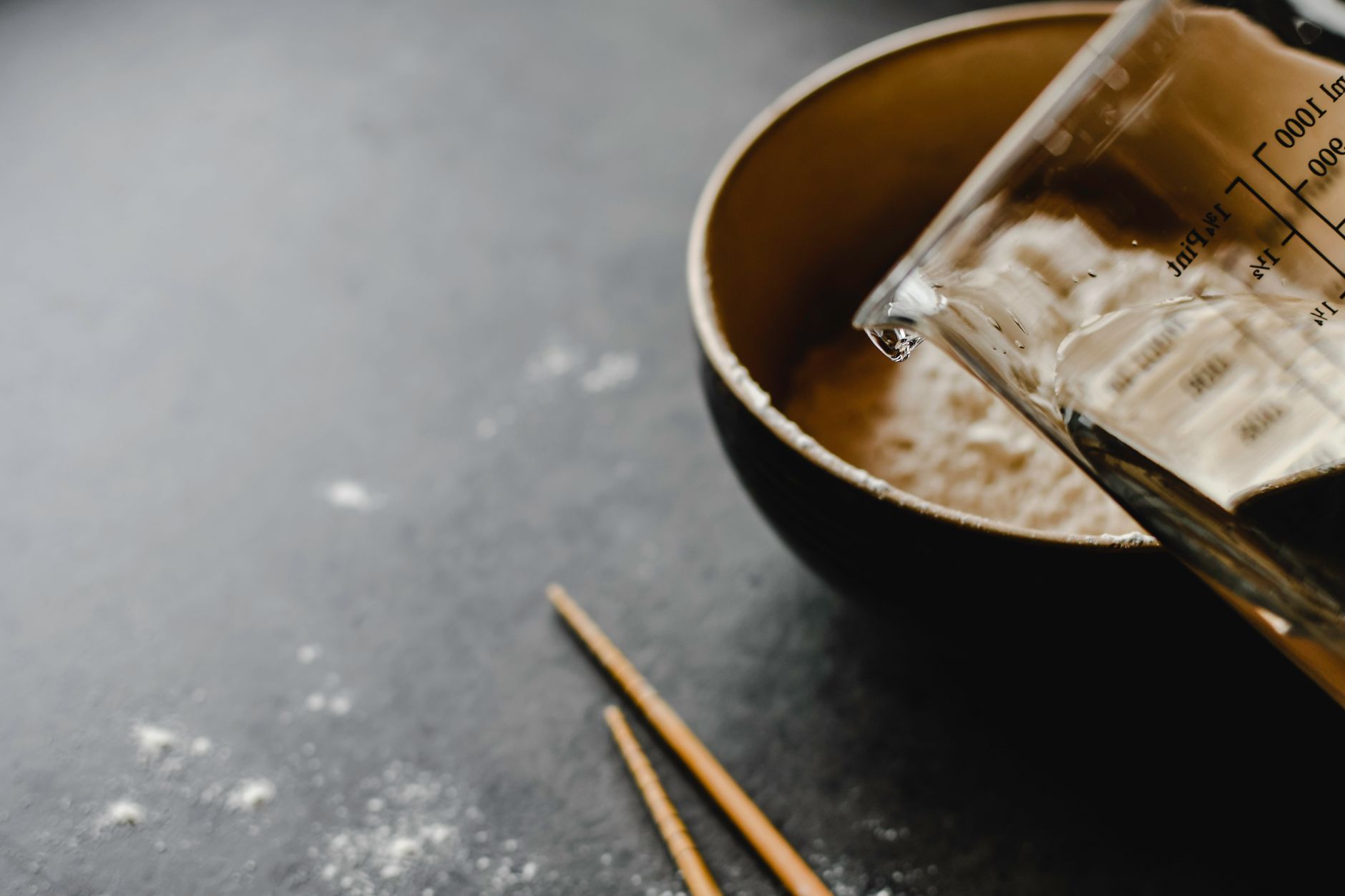
Understanding how much 2 cups of water is can be crucial in cooking, baking, and meal preparation. Accurate measurements ensure that your dishes turn out as intended, especially in recipes where water plays a key role, such as in grains, sauces, soups, or baked goods.
This article will delve into the concept of measuring water, different conversions, and useful tips to ensure you get it right every time. You’ll also learn how to use water properly in various cooking contexts and explore some handy measurements.
How Much Is 2 Cups of Water?
Two cups of water amounts to 16 fluid ounces, 500 milliliters, or about 1/2 liter. These measurements can vary slightly depending on the method of measurement and the purpose of usage, such as cooking or baking. Understanding these conversions can help you follow recipes more accurately.
Understanding Conversion Measurements for Water
When working with recipes that call for water, it’s essential to grasp various measurement conversions. Here is a quick reference for understanding measurements:
- 1 cup = 8 fluid ounces
- 2 cups = 16 fluid ounces
- 1 cup = 237 milliliters
- 2 cups = 500 milliliters
- 1 liter = 4.2 cups
- 1 liter = about 33.8 fluid ounces
These conversions are especially important when scaling recipes or adapting them to fit your kitchen equipment.
Different Ways to Measure Water
Measuring water accurately can be done with a few simple tools. Here are some commonly used kitchen instruments:
- Liquid Measuring Cups: These typically have spouts for pouring and are marked with measurement lines. They are ideal for measuring large quantities of liquids like water.
- Standard Measuring Cups: These dry measuring cups can also be used for liquids but may not provide the greatest accuracy.
- Measuring Jugs: Great for larger volumes, measuring jugs are perfect for when recipes call for several cups or pints of water.
- Kitchen Scale: When precision is key, especially in baking, using a digital kitchen scale to measure the weight of water can help, as 1 cup of water weighs approximately 8 ounces.
Tips for Accurate Measurement
Getting the measurement right the first time can save time and ingredients. Here are some helpful measuring tips:
- Use the Right Cup: Always use a liquid measuring cup for liquids. For dry ingredients, use a dry measuring cup.
- Check for Meniscus: When measuring water, get down to eye level so you can read the measurement at the bottom of the meniscus (the curve of the liquid).
- Level Off When Needed: If you’re using dry measuring cups in rare instances where it suggests liquid, be sure to level off the top for precision.
- Room Temperature Water: For recipes where the temperature matters, use water that has reached room temperature unless otherwise stated.
Using Water in Cooking and Baking
Water plays a critical role in numerous dishes. Here’s how to use it effectively across various cooking methods:
Cooking Grains
When cooking rice, quinoa, or other grains, water is the main ingredient. For instance, if a recipe calls for 1 cup of rice, you will generally need 2 cups of water. This ratio can vary depending on the grain type:
- White Rice: 1 cup rice to 2 cups water
- Brown Rice: 1 cup rice to 2.5 cups water
- Quinoa: 1 cup quinoa to 2 cups water
Making Sauces and Soups
Water is a base for many sauces and soups, providing moisture and flavor. Keep in mind that the liquid should be adjusted based on thickness and flavor preferences. For instance, when making a broth, a recipe may call for different ratios of water to solid ingredients to achieve desired consistency and taste.
Baking Essentials
Baking requires precision. In recipes for bread or pastries, water activates yeast and creates steam, which impacts the texture. Here’s how to measure water accurately:
- Use warm water (about 110°F/43°C) for yeast activation.
- Ensure that the measurement is precise; too much or too little can affect dough consistency and rise.
Hydration for Cooking Vegetables
When blanching or steaming vegetables, water is essential for cooking. Ensure you have the right amount:
- For most steaming applications, use about 1 to 2 inches of water in the pot.
- Keep track of the steaming time to avoid overcooking.
How Much Is 2 Cups of Water in Common Kitchen Measurements?
Knowing how to convert 2 cups of water into different types of measurements can come in handy. Here are conversions based on common kitchen measurements:
- 2 cups = 16 tablespoons
- 2 cups = 1 pint
- 2 cups = 0.5 quarts
- 2 cups = 1/2 liter or 500 milliliters
- 2 cups = 8.11 ounces (weight) if calculating for density
Common Cooking Mistakes with Water Measurements
Even experienced cooks can run into issues when measuring water. Here are some common mistakes to avoid:
- Assuming Measurements: Never guess; use measuring tools to ensure accuracy.
- Using the Wrong Tool: Ensure you are using a liquid measuring cup for liquid measurements.
- Ignoring Temperature: Always use the water temperature specified, particularly in baking and yeast recipes.
Substituting Water in Cooking
At times, you might want to substitute water with other liquids to enhance flavor. Here are a few common swaps:
- Broth or Stock: Use chicken, beef, or vegetable broth in place of water for added flavor.
- Milk or Cream: In baking or cooking, substituting part of the water for milk or cream can add richness.
- Vegetable Juice: For soups or sauces, vegetable juice can replace water to impart unique flavors.
Remember, the substitute can change the overall taste and texture of your final dish.
Practical Tips for Kitchen Water Savings
Understanding the relevance of using the correct amount of water can also assist in fostering better cooking practices and sustainability:
- Use Just Enough: Only use the amount of water required; excess water can dilute flavors.
- Reuse Cooking Water: The water used for boiling vegetables can be saved and used as stock for soups.
- Water and Energy Savings: Measure accurately to reduce the time spent heating water, promoting energy efficiency.
Making Water Taste Better
If you find plain water to be bland, there are various ways to infuse flavors to make hydration more enjoyable:
- Herbs: Add sprigs of mint or basil to water for a refreshing herbal taste.
- Fruits: Slice fruits such as lemons, oranges, or cucumbers to add a hint of zest.
- Tea: Brew herbal or flavored teas for a delicious alternative.
Storing Water for Emergency Situations
It’s important to have emergency water stored safely. Here are some steps to ensure proper storage:
- Use clean, food-grade containers to store water.
- Keep containers sealed and in a cool, dark place to prevent contamination.
- Rotate stored water every six months to ensure freshness.
Practical Applications in Meal Planning
When meal planning, it’s wise to consider how much water you’ll need for cooking various recipes. Here’s how that might look:
- When preparing a batch of rice (1 cup = 2 cups water): plan for adequate water alongside your other ingredients.
- If using boiled vegetables, remember to account for the water needed for blanching.
- Keep a pitcher of infused water on hand for cooking and sipping throughout meals.
Conclusion and Next Steps
Understanding how to measure and utilize water in your cooking not only enhances flavor but also promotes efficiency in your kitchen. Whether you need 2 cups of water for a recipe or are scaling up for meal preparation, precise measurements play a crucial role. Staying mindful about your water usage can create better dishes across the board.
If you want to learn more about water ratios for rice or explore delightful alternatives like chia pudding, check out these helpful guides: water for rice and chia pudding recipe with coconut milk.