
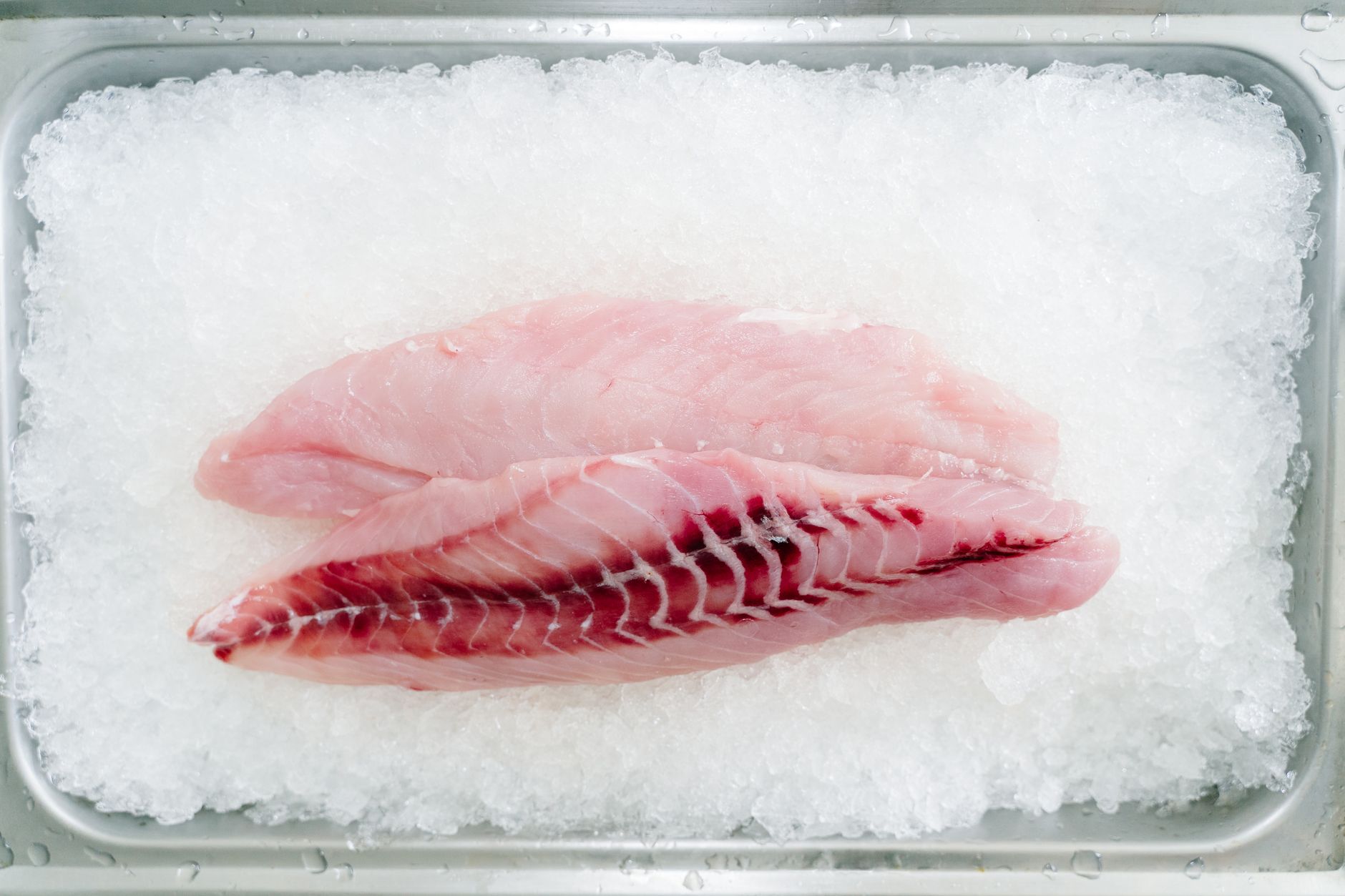
Basa is a type of catfish, popularly known for its mild flavor and flaky texture. Originating mainly from Southeast Asia, specifically the Mekong River, basa has gained global popularity, making it a favorite in many kitchens around the world. This article explores the essential characteristics of basa, its culinary uses, and how to serve it beautifully.
In addition to its pleasant taste, basa is often praised for being a budget-friendly source of protein, making it an attractive option for economical meal planning. As we delve deeper into this fish, you will discover how to select, prepare, and enjoy basa in various dishes.
What Is Basa?
Basa, scientifically known as Pangasius bocourti, is a freshwater fish belonging to the catfish family. Native to the Mekong River Delta in Vietnam, it has become one of the most widely cultivated species due to its fast growth rate and adaptability. The fish has a distinctive flat body, a broad head, and long whiskers, which are characteristic of catfish.
Ingredients and Flavor Profile of Basa
The simplicity of basa lies in its clean and mild flavor, which makes it a versatile ingredient in a variety of cuisines. This fish has a delicate and flaky texture when cooked, making it a delightful addition to many dishes. The subtle taste allows it to absorb and enhance the flavors of the seasonings and sauces it is paired with.
Common Characteristics of Basa
- Flavor: Mild and slightly sweet
- Texture: Flaky and tender when cooked
- Color: Pale white to light pink flesh
- Fat Content: Moderate fat content, which contributes to its moistness when cooked
How to Choose and Prepare Basa
When selecting basa, it’s essential to consider freshness and quality. Here are some tips for choosing the best basa:
Selecting Fresh Basa
- Look for fish fillets that have a clean, fresh smell, without a strong fishy odor.
- The flesh should be moist and translucent, not dry or dull in appearance.
- Check for any discoloration or dark spots, which can indicate spoilage.
- If buying whole basa, inspect the eyes; they should be clear and not sunken.
Preparation Techniques
Basa can be cooked in numerous ways, including baking, grilling, frying, or steaming. Here’s a general outline for preparing basa:
- Cleaning: Rinse the basa fillet under cold water to remove any surface impurities.
- Drying: Pat the fillet dry with paper towels to ensure even cooking.
- Marinating: Consider marinating the basa in a mix of lemon juice, garlic, herbs, or soy sauce to enhance its flavor.
- Cooking: Choose your desired cooking method and cook until the fish is opaque and flakes easily with a fork.
Popular Cooking Methods for Basa
Given its flexible flavor profile, basa can fit into various cooking styles. Below are some popular methods for preparing this delicious fish:
1. Baking
Baking basa is a straightforward method that retains moisture and enhances flavor when accented with herbs and spices.
- Preheat the oven to 375°F (190°C).
- Place the marinated basa fillet in a baking dish and cover it with aluminum foil.
- Bake for 15-20 minutes or until the fish is cooked through and flakes easily.
2. Grilling
Grilling adds a smoky flavor to basa and creates a lovely charred crust.
- Preheat the grill to medium-high heat.
- Place the basa fillet on a well-oiled grill grate, skin-side down.
- Grill for 4-6 minutes per side or until grill marks appear and the fish is opaque.
3. Frying
Frying basa gives it a crispy texture, making it a delightful option for fish and chips or fish tacos.
- Heat vegetable oil in a pan over medium heat.
- Dredge the basa fillet in flour or breadcrumbs for a crispy coating.
- Fry for 3-4 minutes on each side, until golden brown and cooked through.
4. Steaming
Steaming preserves the fish’s moisture and nutrients, making it a healthy cooking option.
- Fill a pot with water and place a steamer basket above the water.
- Bring to a boil and place the basa fillet in the steamer basket.
- Cover and steam for 8-10 minutes or until opaque.
Flavor Pairing Suggestions for Basa
Basa’s mild flavor lends itself well to various flavor pairings. Here are some spices, herbs, and sauces that complement it wonderfully:
Herbs and Spices
- Parsley
- Dill
- Thyme
- Garlic
- Ginger
Sauces
- Lemon butter sauce
- Teriyaki sauce
- Coconut curry sauce
- Chimichurri
- Tomato salsa
Serving Suggestions and Accompaniments
When serving basa, consider pairing it with sides that enhance the overall meal experience. Here are some delicious options:
Recommended Side Dishes
- Steamed vegetables (asparagus, broccoli, or green beans)
- Fluffy rice or quinoa
- Crispy salad with a zesty vinaigrette
- Garlic mashed potatoes
- Grilled corn on the cob
Presentation Ideas
Plate the basa beautifully by creating a colorful arrangement with the side dishes and garnishing with fresh herbs and lemon wedges. A sprinkle of paprika or chili flakes can add an extra pop of color and flavor.
Common Mistakes and Troubleshooting
While cooking basa may seem straightforward, certain pitfalls can arise. Here are some common mistakes and tips to ensure a successful meal:
Overcooking
Overcooked basa can become tough and dry. Always monitor the cooking time closely and check for doneness with a fork; the fish should flake easily and appear opaque.
Improper Seasoning
Because basa has a mild flavor, it relies on proper seasoning. Don’t shy away from using herbs, spices, or marinades to enhance its taste.
Skipping the Cleaning Step
Rinsing basa is important to remove any residual slime or impurities. Skipping this step can affect the overall flavor of your dish.
Not Using a Food Thermometer
If you’re unsure about the cooking temperature, consider using a food thermometer. Basa fillets should reach an internal temperature of 145°F (63°C) to ensure they are properly cooked.
Storage and Reheating Tips
Basa can be stored and reheated, but it’s essential to do this correctly to maintain its quality.
Storage
Any leftover cooked basa should be cooled and stored in an airtight container in the refrigerator. Consume leftovers within two to three days for optimal freshness.
Reheating
- Preheat your oven to 350°F (175°C).
- Place the basa fillet on a baking sheet and cover it loosely with foil.
- Reheat for about 10-15 minutes or until warmed through.
Dietary Preferences and Nutritional Information
Basa is a versatile fish suitable for various dietary preferences. It is naturally low in carbohydrates and can fit easily into low-carb and high-protein diets. Always check for any allergens if serving to others, especially those who may be sensitive to fish or seafood.
Potential Allergens
- Shellfish (if serving with sauces that contain shellfish)
- Gluten (if using breading for frying)
Conclusion
Basa is a highly versatile and economically accessible fish that can be enjoyed in numerous ways. Its mild flavor profile makes it easy to incorporate into various dishes, and understanding the best cooking techniques can enhance your culinary repertoire. Whether baked, grilled, or fried, basa is an excellent addition to your meal-planning toolbox.
Explore more about different cooking styles, meal-planning tips, or diverse fish recipes to elevate your cooking experience. Each little step in discovering your culinary preferences helps create delicious memories.