
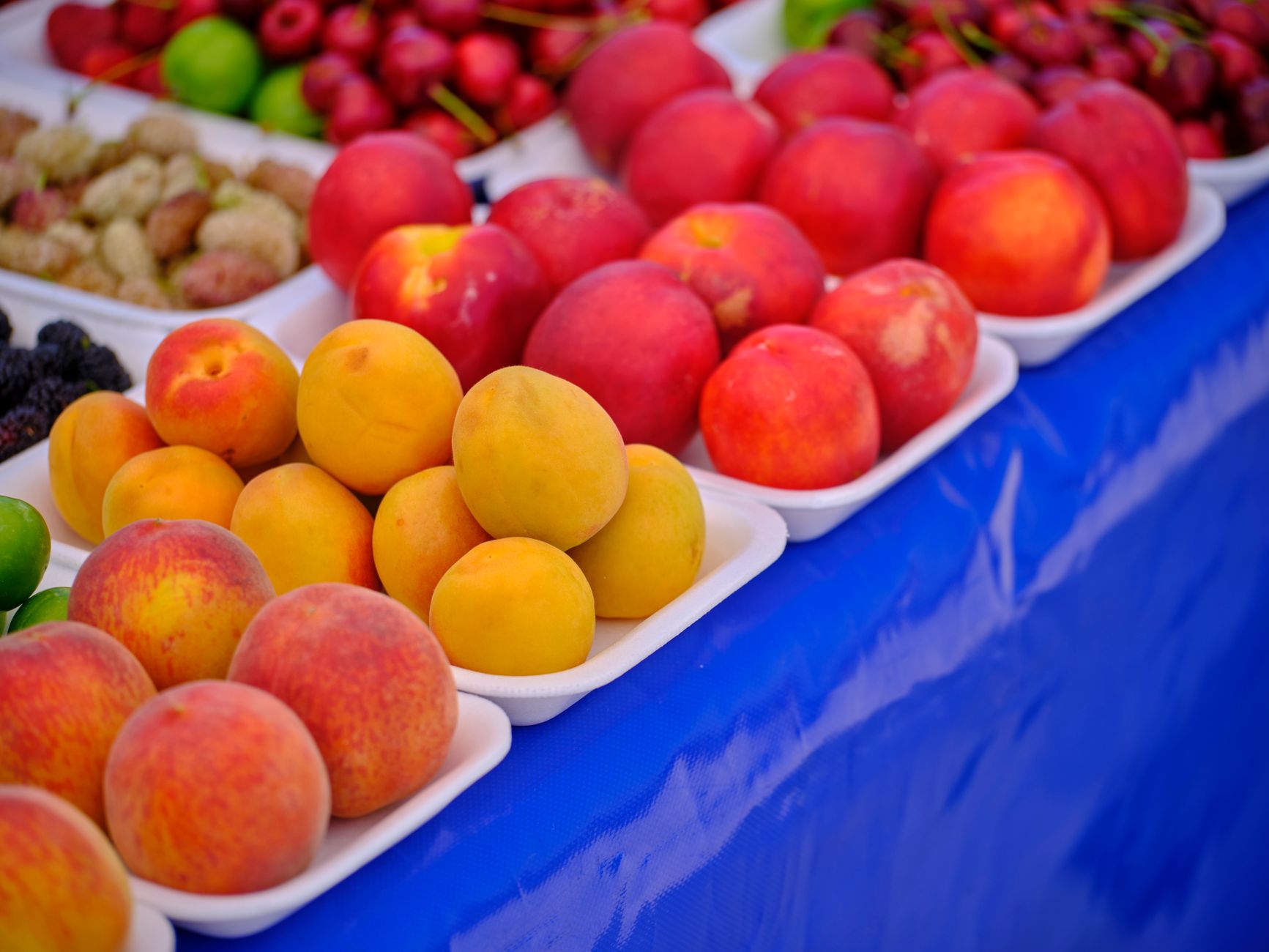
A drupe, commonly known as a stone fruit, is a type of fruit characterized by its fleshy outer layer surrounding a hard inner shell that contains a seed. Some well-known drupes include peaches, cherries, and avocados. Understanding drupes helps not only in identifying these fruits but also in appreciating their unique flavors and culinary uses.
This article will delve into the characteristics of drupes, their flavor profiles, common varieties, uses in cooking, and tips on how to serve them. Whether you’re a home chef looking to expand your knowledge or simply curious about these delicious fruits, you’ll find valuable information to elevate your cooking skills and enhance your meals.
What Is a Drupe?
A drupe is a fruit with three main layers: the exocarp (the outer skin), mesocarp (the fleshy part), and endocarp (the hard, woody layer that surrounds the seed). This unique structure gives drupes their distinct texture and allows them to thrive in various climates. The ripening of drupes often leads to a burst of sweetness, making them popular in desserts, salads, and savory dishes.
Characteristics of Drupes
Drupes are identifiable by several key characteristics:
- Exocarp: The smooth, often colorful outer layer of the fruit that may be hairy or waxy.
- Mesocarp: The juicy, fleshy middle layer, which is typically sweet, tart, or creamy.
- Endocarp: The hard shell that encases the seed, often referred to as the “pit” or “stone.”
- Seed: The inner seed is usually inedible, but it can sometimes be consumed in small amounts (e.g., avocados).
Common Varieties of Drupes
Several varieties of drupes bring different flavors and textures to the table. Here are some of the most popular types:
- Peaches: Soft and juicy with a fuzzy skin, peaches can be yellow or white-fleshed, and they are commonly used in desserts or eaten fresh.
- Cherries: Available in sweet and tart varieties, cherries have a bright red or dark skin. They are often used in pies, jams, or eaten fresh.
- Plums: Ranging from sweet to tart, plums come in various colors, including purple, red, and yellow. They are versatile in both sweet and savory dishes.
- Apricots: With a delicate flavor, apricots are often dried or made into preserves. They are best enjoyed fresh when in season.
- Almonds: We often think of almonds as nuts, but they are actually the seeds of drupe fruits. The outer flesh can be sweet or bitter, while the seeds are typically roasted and consumed.
- Avocados: Creamy and rich with healthy fats, avocados are unique drupes prized in salads and spreads.
Flavor Profiles of Drupes
Understanding the flavor profiles of various drupes can enhance your culinary creativity:
- Sweet Drupes: Peaches, cherries, and plums offer a naturally sweet taste that can balance tart dishes or serve as a base for desserts.
- Tart Drupes: Sour cherries and certain varieties of plums provide a refreshing tartness that works beautifully in sauces and baked goods.
- Creamy Drupes: Avocados provide a buttery texture and mild flavor that pairs well with bold seasonings and other ingredients.
How to Select and Store Drupes
Choosing ripe, flavorful drupes is essential for the best culinary experience. Here are some tips:
Selecting Drupes
- Color: Look for bright, rich colors that indicate ripeness. For example, peaches should have a vibrant yellow-orange hue.
- Texture: Gently squeeze the fruit; it should yield slightly without being mushy. For example, ripe plums should feel slightly soft but not overly squishy.
- Aroma: Ripe drupes often emit a sweet, fruity aroma. Sniff the fruit near the stem to check for this characteristic.
Storing Drupes
- Room Temperature: Unripe drupes can be stored at room temperature until they ripen. Keep them away from direct sunlight.
- Refrigeration: Once ripened, most drupes can be refrigerated to slow down spoilage. However, remember that refrigeration may slightly affect the texture of some drupes.
- Separation: Store drupes separately from ethylene-producing fruits (like bananas) to prevent over-ripening.
Cooking with Drupes
Drupes offer endless culinary possibilities. Understanding how to incorporate them into meals can amplify the taste and presentation of your dishes.
Savory Dishes
- Grilled Peaches: Halve and pit peaches, brush them with olive oil, and grill until caramelized for a delicious addition to salads or meats.
- Avocado Toast: Mash ripe avocados, season with salt and pepper, and spread them on toasted bread. Top with sliced tomatoes or poached eggs for a nutritious breakfast.
- Cherry Glaze: Cook pitted cherries with balsamic vinegar and honey over low heat until syrupy, then drizzle over roasted meats or vegetables.
Desserts
- Pies and Tarts: Use fresh, pitted cherries or plums as filling for pies, adding sugar and spices for depth of flavor.
- Cobbler: Mixed drupes can be baked with a biscuit topping for a comforting dessert. Serve warm with a scoop of vanilla ice cream.
- Dried Fruits: Dry apricots, plums, or cherries as a healthy snack or use them in trail mixes.
Preserving Drupes
Preserving drupes extends their usability throughout the year. Common methods include:
- Canning: Prepare drupes in jars with sugar syrup for jams and preserves.
- Freezing: Wash and pit drupes before freezing them individually on a baking sheet. Store in freezer-safe bags for later use in smoothies or baked goods.
- Dehydrating: Remove pits and slice drupes before placing them in a dehydrator or low-temperature oven to create dried fruit snacks.
Serving Suggestions for Drupes
Knowing how to serve drupes can enhance their enjoyment and versatility. Here are some ideas:
- Fresh Salads: Toss sliced peaches or apricots into mixed greens with nuts, cheese, and a light vinaigrette.
- Charcuterie Boards: Include fresh cherries, plum slices, or even dried apricots with cheeses, meats, and crackers for an inviting platter.
- Smoothies: Blend avocados, peaches, or cherries with yogurt and a splash of juice for a creamy, nutritious drink.
- Sauces: Create fruit-based sauces or purees to complement meats or desserts. Cherry reductions or peach coulis can elevate any dish.
Common Mistakes with Drupes
Here are some pitfalls to avoid when working with drupes:
- Over-ripeness: Use ripe drupes promptly. Overripe fruits can become mushy and less flavorful.
- Pitting Errors: Ensure you pit cherries and other drupes correctly to avoid biting into a tough pit.
- Cook Time: Be cautious with cooking times; drupes can easily turn mushy if overcooked. Aim for tender but not falling apart.
Creative Uses for Drupes
Drupes are not just for sweet dishes; they can inspire a variety of creative culinary uses. Here are a few ideas to spark your imagination:
- Drupes in Savory Sauces: Use drupes in savory sauce preparations, adding depth and a hint of sweetness to dishes like grilled chicken or fish.
- Infused Oils: Create an infused oil by blending avocados with olive oil, garlic, and herbs for dressing salads or drizzling over grilled vegetables.
- Condiments: Make fruit-based salsas by combining diced drupes with onions, cilantro, and lime, perfect for tacos or grilled meats.
Conclusion
Whether you’re enjoying them fresh, cooking, or preserving, drupes offer a delightful addition to various dishes. Their unique structures and flavors make them versatile, while their health benefits can complement a balanced diet. Explore the world of drupes in your culinary adventures, and don’t hesitate to try new combinations and techniques.
For more culinary inspiration, check out our Cherry Compote Recipe and explore how to make Peach Preserves. These recipes highlight the unique qualities of drupes in a delicious way.