
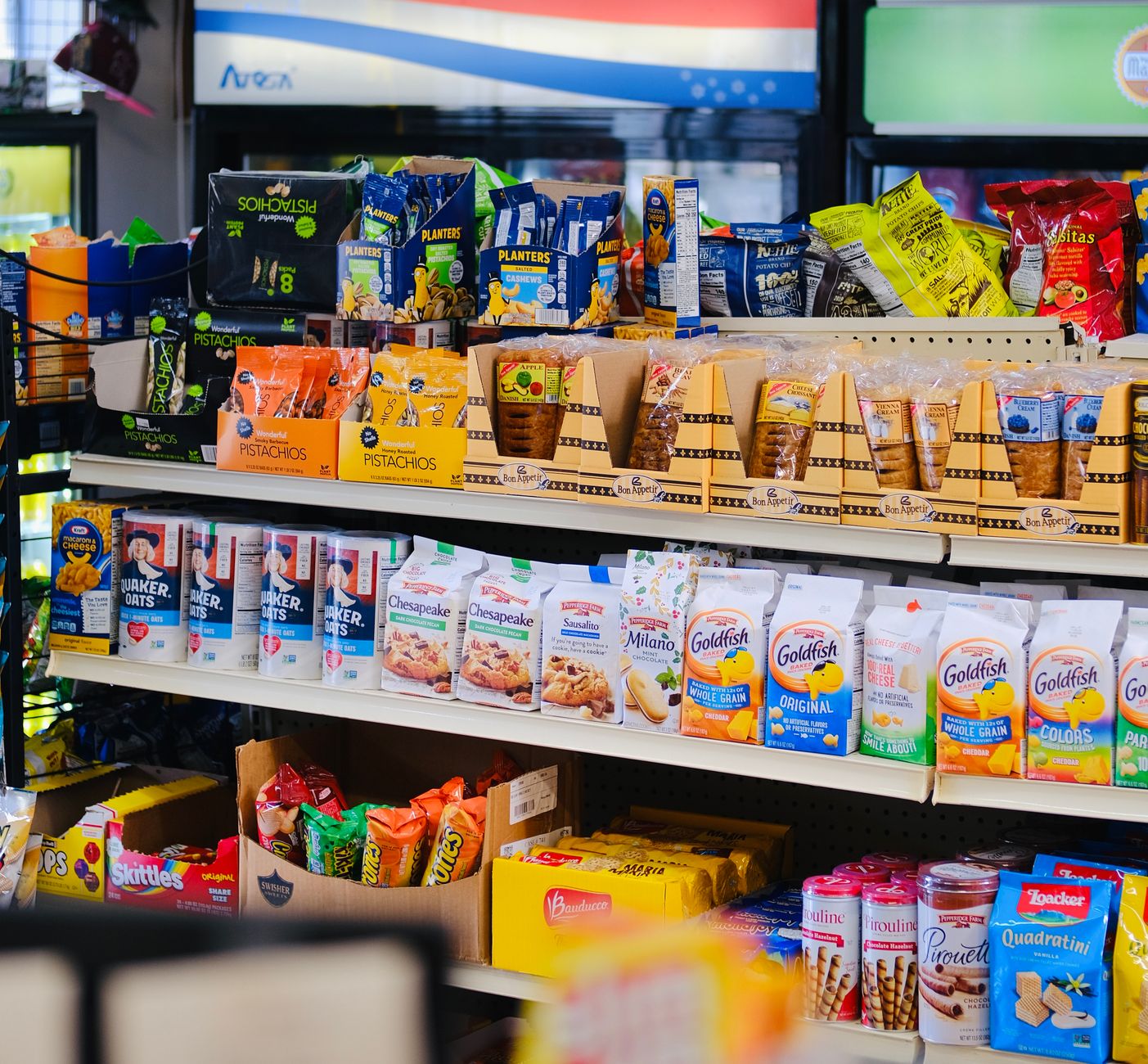
Living with Irritable Bowel Syndrome (IBS) can be a challenging experience, especially when it comes to making food choices. Certain foods have been known to trigger symptoms, including abdominal pain, bloating, gas, and diarrhea. Understanding which foods may exacerbate IBS symptoms is crucial for managing this condition effectively.
This article will cover foods that are typically bad for IBS, provide important considerations for meal planning, and offer tips for better digestive health.
What Foods Are Bad for IBS?
Foods that are generally considered bad for individuals with IBS include high-FODMAP foods, fatty and fried foods, artificial sweeteners, certain dairy products, and gluten-containing foods. Identifying and avoiding these items can help minimize symptoms and improve overall digestive comfort.
Understanding FODMAPs
FODMAP stands for Fermentable Oligosaccharides, Disaccharides, Monosaccharides, and Polyols. These short-chain carbohydrates are poorly absorbed in the small intestine and can ferment in the gut, which often leads to discomfort in people with IBS.
High-FODMAP Foods to Avoid
- Oligosaccharides: Found in wheat products, legumes, onions, garlic, and rye.
- Disaccharides: Mainly lactose, which is present in milk, yogurt, and soft cheeses.
- Monosaccharides: Excess fructose can be problematic and is found in high amounts in fruits like apples, pears, and honey.
- Polyols: Sugar alcohols like sorbitol and mannitol found in stone fruits (apricots, cherries, plums) and sugar-free products.
Fatty and Fried Foods
High-fat meals can worsen IBS symptoms by increasing gut motility and leading to discomfort. Fried foods, in particular, are typically high in unhealthy trans fats and oils, which can lead to bloating and cramping.
Examples of Foods to Avoid
- Fried chicken or fish
- French fries and other deep-fried snacks
- Highly processed fatty meats (bacon, sausage)
- Rich sauces, gravies, and dressings
Artificial Sweeteners
Many sugar substitutes, particularly sugar alcohols, can trigger IBS symptoms. These sweeteners are often found in “sugar-free” or “diet” products, which may contribute to increased gas and bloating.
Common Artificial Sweeteners to Avoid
- Sorbitol
- Mannitol
- Xylitol
- Sucralose
Dairy Products
Dairy can be a significant problem for many individuals with IBS due to lactose intolerance. While not all IBS patients are lactose intolerant, avoiding certain dairy products can help reduce symptoms.
Dairy Products to Consider Reducing or Avoiding
- Milk (especially whole milk)
- Ice cream and soft cheeses
- Cream and sour cream
Gluten-Containing Foods
Gluten is a protein found in wheat, barley, and rye, which can trigger IBS symptoms in some individuals. While gluten sensitivity and celiac disease are distinct conditions, some people with IBS report improvements in their symptoms when they eliminate gluten from their diets.
Foods with Gluten to Avoid
- Bread (white, whole wheat, and rye)
- Pasta and noodles
- Baked goods (cakes, cookies, and pastries)
- Cereals containing wheat or barley
Additional Trigger Foods
Besides the primary foods mentioned, several other items may worsen IBS symptoms. These can vary between individuals, so it may be helpful to monitor your body’s responses to different foods.
Foods to Trigger Caution
- Caffeinated beverages (coffee, tea, and some sodas)
- Alcohol (especially wines and beer)
- Spicy foods (hot peppers, curries)
- Certain fruits (such as citrus and other high-sugar fruits)
Managing Your Diet with IBS
Understanding which foods are known to trigger IBS symptoms is essential, but it is also important to approach your diet holistically. Here are some tips for effectively managing your food choices:
Elimination Diet
An elimination diet involves removing high-FODMAP and other trigger foods for a few weeks, then slowly reintroducing them one at a time. This process can help identify specific foods that trigger symptoms.
Keep a Food Diary
Tracking what you eat and how it makes you feel can be invaluable. This will allow you to pinpoint foods that may trigger your symptoms and gain insight into your unique dietary needs.
Stay Hydrated
Drinking plenty of water can help maintain digestive health and may alleviate some symptoms associated with IBS.
Choose Low-FODMAP Alternatives
Many low-FODMAP alternatives can satisfy your cravings without exacerbating symptoms. Here are suggestions:
- Quinoa, rice, and gluten-free grains as substitutes for wheat
- Lactose-free milk or plant-based milk (almond, coconut) instead of cow’s milk
- Fresh herbs and spices for flavoring instead of high-FODMAP ingredients like garlic and onion
Summary and Practical Next Steps
Understanding which foods are bad for IBS is an essential step in managing the condition effectively. High-FODMAP foods, fatty and fried foods, artificial sweeteners, certain dairy products, and gluten-containing options should be approached with caution, as they can trigger or exacerbate symptoms. By adopting strategies such as an elimination diet and keeping a food diary, you can create a personalized approach to your dietary needs.
It’s always advisable to consult a healthcare provider or a nutritionist specializing in IBS for tailored advice and support.
For additional resources, check out our article on cabbage and digestion or learn about foods with probiotics to potentially ease symptoms and improve gut health.