
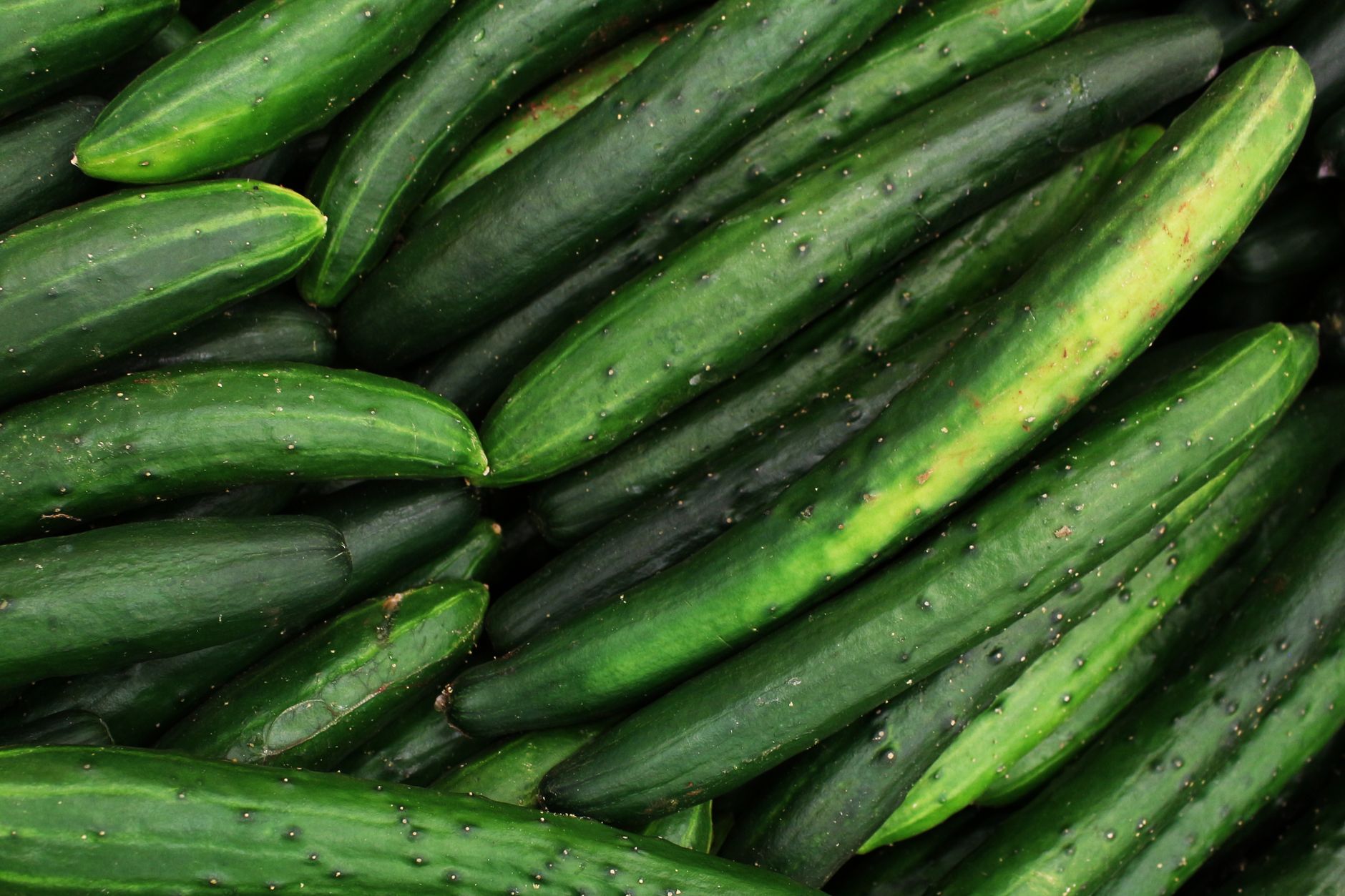
Cucumbers are a refreshing and versatile vegetable, often enjoyed in salads, sandwiches, and various dishes. Their crisp texture and mild flavor make them a favorite in many cuisines around the world. In this guide, we will explore the characteristics of cucumbers, their culinary uses, nutritional benefits, and how to select, store, and prepare them.
Whether you’re interested in incorporating cucumbers into your meals or simply want to learn more about this crunchy vegetable, this guide provides all the essential information you need.
What Is a Cucumber?
A cucumber is a green, elongated fruit that belongs to the gourd family, known scientifically as Cucumis sativus. They are typically cylindrical in shape and can grow up to 12 inches in length, though they are most commonly found around 6 to 8 inches. Cucumbers are mostly composed of water, making them an excellent hydrating snack.
Cucumbers can be eaten raw, pickled, or cooked, and they are often found in salads, cold dishes, and as a garnish. They come in various types, including slicing, pickling, and seedless varieties, each with its unique taste and texture.
Types of Cucumbers
There are several types of cucumbers, each suited for different culinary applications. Here are the most common varieties:
- Slicing Cucumbers: These are the most common and are used primarily in salads and sandwiches. They have a smooth, dark green skin and a mild flavor.
- Pickling Cucumbers: Smaller and bumpier than slicing cucumbers, these are ideal for pickling. They have a firmer flesh and thicker skin that retains crunchiness after being pickled.
- Seedless Cucumbers: Often sold as “hothouse” or “greenhouse” cucumbers, these are grown in controlled environments and are less bitter due to fewer seeds.
- English Cucumbers: These are longer and have thinner skin. They are usually sold wrapped in plastic to protect their tender skin and are popular for salads.
- Kirby Cucumbers: Often used for pickling, these cucumbers are short, firm, and have a bumpy texture.
Nutritional Benefits of Cucumbers
Cucumbers are low in calories, making them a popular choice for those seeking to maintain a healthy diet. Here are some nutritional benefits:
- Hydration: Composed of about 95% water, cucumbers help keep you hydrated, especially during hot weather.
- Vitamins and Minerals: They contain vitamin K, vitamin C, and potassium, which are essential for maintaining healthy bodily functions.
- Low in Calories: With only around 16 calories per cup, cucumbers are a guilt-free snack that can help support weight management.
- Antioxidants: Cucumbers contain antioxidants, such as flavonoids and tannins, which help reduce inflammation and protect against chronic diseases.
Selecting the Best Cucumbers
When choosing cucumbers, consider the following tips to ensure you select the best quality:
- Look for Firmness: Choose cucumbers that feel firm to the touch. Avoid soft or wrinkled cucumbers, which may indicate they are past their prime.
- Check the Skin: Look for smooth, unblemished skin. Minor blemishes are fine, but large spots or discoloration can indicate spoilage.
- Size Matters: Select cucumbers that are uniform in size for even cooking and presentation. Smaller cucumbers are often sweeter and crunchier.
- Avoid Yellowing: A yellow-colored cucumber may be overripe and could have a bitter taste. Stick to vibrant green ends for the best flavor.
How to Store Cucumbers
Proper storage is crucial for maintaining the freshness and crunch of cucumbers. Here are some guidelines:
- Refrigeration: Store cucumbers in the refrigerator’s vegetable crisp drawer to maintain optimal humidity levels. They can last up to a week when stored properly.
- Keep Them Dry: Avoid washing cucumbers before refrigeration to prevent moisture buildup, which can lead to mold. Wash them just before use.
- Avoid Ethylene Gas: Keep cucumbers away from ethylene-producing fruits, such as bananas and avocados, as ethylene can cause them to ripen and spoil faster.
Preparing Cucumbers
Preparing cucumbers for use in recipes is straightforward. Here are some steps to keep in mind:
- Washing: Rinse cucumbers under cold water to remove any dirt or pesticide residue. Scrub gently with a vegetable brush if necessary.
- Peeled or Unpeeled: Decide if you want to peel the cucumber. The skin provides added nutrients and a crunchy texture, so consider leaving it on for salads and snacking.
- Slicing: Use a sharp knife to slice cucumbers. You can cut them into rounds, half-moons, sticks, or julienne them, depending on the intended use.
- Removing Seeds: For larger or mature cucumbers, you may want to scoop out seeds with a spoon to reduce moisture in certain dishes.
Cooking and Culinary Uses for Cucumbers
Cucumbers are versatile and can be used in a variety of dishes. Here are some common culinary uses:
Salads
Cucumbers are a staple in various salads, adding a refreshing crunch. Combine sliced cucumbers with tomatoes, red onion, and a light vinaigrette for a classic salad, or try them in specialized salads like Greek or Thai cucumber salad.
Picks and Preserves
Cucumbers can be pickled to create delightful preserves. The pickling process enhances their flavor while prolonging their shelf life. You can create easy refrigerator pickles or follow a traditional canning process for longer storage.
Sandwiches and Wraps
Use cucumbers to add crunch and freshness to sandwiches and wraps. They pair beautifully with spreads like cream cheese, hummus, or tzatziki.
Soups
Chilled cucumber soups are a refreshing option, especially in the summer. Blend cucumbers with yogurt, lemon juice, and herbs for a light and creamy soup.
Snacks
Cucumbers are excellent for snacking. Serve them sliced with a sprinkle of salt or dip them in hummus, tzatziki, or a yogurt-based dip.
Common Mistakes When Working with Cucumbers
Here are some common mistakes that can affect how cucumbers taste and how well they perform in dishes:
- Using Old Cucumbers: Always check for firmness and freshness before use. Using old cucumbers can lead to a mushy texture and off-putting flavor.
- Improper Storage: Failing to store cucumbers correctly can result in limp or spoiled fruit. Refrigeration is key to prolonging freshness.
- Ignoring Seed Removal: When using larger cucumbers in salads or sandwiches, be mindful of water content. Removing seeds can help keep salads from becoming watery.
Making Ahead
When meal prepping, cucumbers can be prepared in advance, making them a handy addition to make-ahead meals:
- Pre-slicing: Slice cucumbers and store them in airtight containers. They will stay fresh for a few days and are great for quick snacks or salads.
- Pickling: Make large batches of pickled cucumbers to use throughout the week in various dishes.
Popular Cucumber Dishes Across Cultures
Cucumbers have made their mark in numerous cuisines worldwide. Here are some popular dishes:
- Greek Tzatziki: This yogurt-based sauce is blended with finely chopped cucumbers, garlic, and herbs, often served as a dip or condiment.
- Japanese Sunomono: A light vinegar-based cucumber salad sprinkled with sesame seeds, often served as a side dish.
- Indian Raita: A cooling condiment made with yogurt, cucumber, and spices, served alongside spicy dishes to help temper the heat.
- Middle Eastern Salads: Cucumbers are often included in tabbouleh and fattoush salads, providing texture and freshness.
Conclusion
Cucumbers are a delicious, hydrating vegetable that can enhance a variety of dishes. By understanding their types, nutritional benefits, preparation methods, and culinary uses, you can incorporate them into your meals with ease. Whether you enjoy them fresh in salads or pickled for a spicy kick, cucumbers are a wonderful addition to your kitchen.
Now is the perfect time to explore different recipes and dishes featuring cucumbers. Consider giving the Viral Cucumber Salad or Thai Cucumber Salad a try. Enjoy your culinary adventure with this versatile vegetable!