
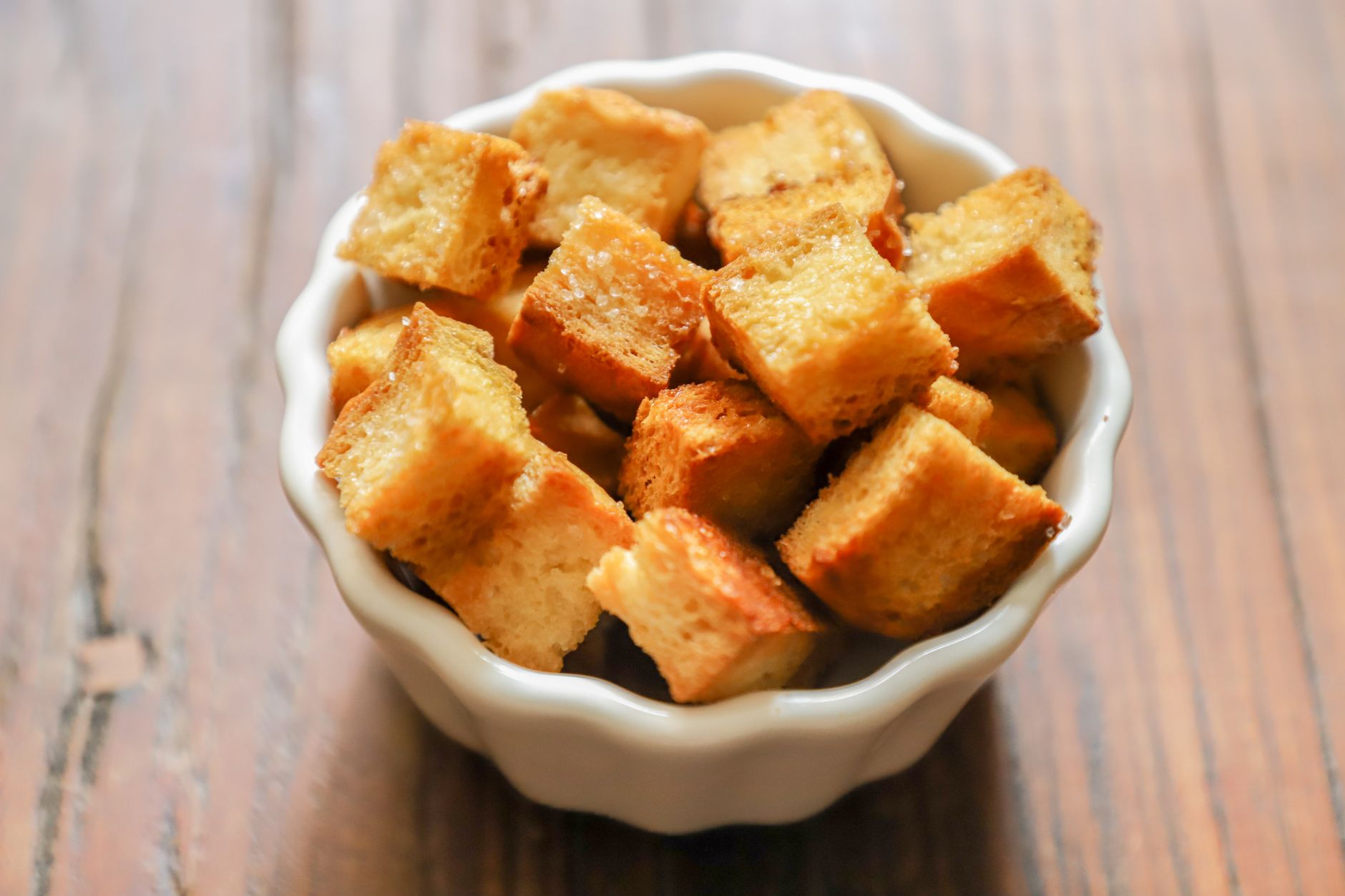
Croutons are small pieces of toasted or fried bread, often used as a crunchy topping for salads, soups, or a variety of other dishes. They add texture, flavor, and visual appeal, making them a beloved ingredient in many cuisines around the world. This article delves into what croutons are, their ingredients, flavor profiles, how to serve them, and even some tips on making and storing them.
The crouton dates back centuries, originating as a method to use stale bread efficiently. Today, they are versatile ingredients that enhance many dishes with both taste and texture. Here, we’ll explore the different facets of croutons to help you make the most of this kitchen staple.
What Is a Crouton?
A crouton is essentially small cubes or pieces of bread, typically seasoned and toasted until crispy. They can be made from various types of bread, including white, whole grain, or even artisanal varieties like sourdough. The baking or frying process transforms the bread, enhancing its flavor and providing a satisfying crunch. Croutons are most commonly used as a garnish for salads and soups, but they can also be incorporated into other dishes such as casseroles or served as a snack.
Ingredients Used in Croutons
The ingredients for croutons are minimal, yet they can be adapted to suit various flavors and dietary preferences. Here are the basics:
- Bread: The foundation of any crouton. You can use stale or fresh bread, though stale bread often works best. Common varieties include French bread, Italian bread, and artisan loaves.
- Oil or Butter: This adds richness and helps crisp the bread. Olive oil is a popular choice for Mediterranean flavor, while melted butter can provide a rich, savory taste.
- Seasoning: Salt is essential, but adding herbs (like thyme or rosemary), garlic powder, or spices can elevate the flavor profile significantly. Parmesan cheese can also be added for a cheesy finish.
Flavor Profiles of Croutons
Croutons can be flavored in various ways, depending on the ingredients used. The basic flavor of croutons is that of toasted bread, which becomes nuttier and deeper during the baking process. Here are some common flavor profiles:
- Garlic Herb Croutons: Infused with garlic powder and dried herbs, these croutons are aromatic and savory.
- Spicy Croutons: Adding paprika, cayenne pepper, or chili powder can give croutons a kick, making them suitable for more adventurous palettes.
- Cheese-Topped Croutons: A sprinkle of grated cheese before baking can add a delicious, salty flavor.
- Sweet Croutons: Made with sweet bread and cinnamon, these croutons work well in dessert salads or as a topping for yogurt.
How to Make Croutons
Making croutons at home is straightforward and allows you to customize them to your taste. Below is a simple recipe to get started.
Yield and Timing
This recipe yields approximately 4 cups of croutons. Preparation time is about 10 minutes, and baking time is around 15-20 minutes, bringing the total time to approximately 30 minutes.
Ingredients
- 1 loaf of bread (French, Italian, sourdough, or your choice)
- 1/4 cup olive oil or melted butter
- 1 teaspoon salt
- 1 teaspoon garlic powder
- 1 teaspoon dried herbs (optional, e.g., thyme, oregano)
- 1/4 cup grated Parmesan cheese (optional)
Essential Equipment
- Baking sheet
- Large mixing bowl
- Knife or bread knife
- Measuring cups and spoons
- Oven
Steps to Make Croutons
- Preheat your oven to 375°F (190°C).
- Cut the bread into small cubes, about 1-inch in size.
- In a large mixing bowl, combine the bread cubes, olive oil or melted butter, salt, garlic powder, and dried herbs. Toss well to ensure the bread is evenly coated.
- If using, sprinkle the grated Parmesan cheese over the mixture and toss to combine.
- Spread the bread cubes in a single layer on the baking sheet.
- Bake in the preheated oven for 15-20 minutes, or until golden brown and crispy. Stir halfway through to ensure even cooking.
- Allow the croutons to cool on the baking sheet before serving or storing.
Tips and Tricks for Perfect Croutons
Here are some practical tips to ensure your croutons come out perfectly every time:
- Use Stale Bread: Stale bread absorbs oil and seasonings better and yields a crunchier texture.
- Don’t Overcrowd the Baking Sheet: Space the bread cubes evenly to allow for proper heat circulation.
- Check Frequently: Oven temperatures can vary, so check on your croutons frequently to prevent burning.
- Experiment with Flavors: Don’t hesitate to try different spices and herbs to find your favorite combinations.
- Use Leftovers: Any extra bread, such as baguettes or rolls, can be used to make croutons.
Common Mistakes When Making Croutons
Even simple recipes like croutons can go awry. Here are a few common pitfalls to avoid:
- Not Using Enough Oil: Insufficient oil can lead to dry, hard croutons.
- Skipping Seasoning: Without proper seasoning, croutons can taste bland.
- Using Bread that is Too Fresh: Fresh bread may not achieve the desired crunchiness and can become chewy.
Serving Suggestions for Croutons
Croutons can elevate a variety of dishes with additional flavor and texture. Here are some ideas on how to use them:
- Salads: Sprinkle croutons over green salads, Caesar salads, or grain-based salads to add crunch.
- Soups: Top your favorite soups, such as tomato or minestrone, with croutons for added texture and flavor.
- Casseroles: Incorporate croutons into baked dishes for an extra crispy topping.
- Snacks: Enjoy seasoned croutons as a standalone snack or appetizer.
Storing Croutons
Proper storage extends the life of your homemade croutons, ensuring they remain crisp. Here’s how to do it:
- Cooling: Allow croutons to cool completely before storing to prevent moisture build-up.
- Storage Container: Place cooled croutons in an airtight container to keep them crunchy.
- Location: Store at room temperature for up to one week. For longer storage, consider freezing them.
- Freezing: If you intend to keep croutons longer than a week, freeze them in a single layer on a baking sheet, then transfer to a freezer-safe bag. They can last for 2-3 months in the freezer.
Crouton Variations
Feel free to experiment with various bread types and flavors for unique croutons. Here are some variations you can consider:
- Spiced Croutons: Add cumin or coriander for a Middle Eastern flair.
- Sweet Croutons: For a dessert addition, toss bread cubes with sugar and cinnamon before baking.
- Gluten-Free Croutons: Use gluten-free bread to cater to dietary restrictions without compromising flavor.
Using Store-Bought Croutons
If making your own croutons isn’t feasible, many grocery stores offer a variety of pre-made croutons. Here’s what to consider when choosing store-bought options:
- Ingredients: Opt for croutons with minimal ingredients; a list including bread, oil, and seasonings is ideal.
- Flavor: Experiment with different flavors to find the one that suits your tastes.
- Texture: Choose croutons that are crispy and crunchy, as they should complement, not overpower, your dishes.
Culinary Uses of Croutons in Regional Cuisines
Croutons appear in various global cuisines, each with its own twist. Here’s how different cultures utilize croutons or crouton-like ingredients:
- Italian Cuisine: In Italy, croutons are often featured in minestrone soup or topped on bruschetta for added texture.
- French Cuisine: French onion soup traditionally includes crispy bread topped with melted cheese.
- Middle Eastern Cuisine: In dishes like fattoush, fried or toasted bread is mixed with fresh salad ingredients.
In summary, croutons are an easy and delicious addition to many meals, allowing you to add flavor and texture with minimal effort. Using simple ingredients, you can customize them to suit your tastes and dietary needs. Whether you’re enhancing a classic salad or trying something more adventurous, croutons prove to be a versatile ingredient in every kitchen. Try making your own croutons today to elevate your meals!
If you enjoy exploring delicious recipes or need more cooking tips, consider checking out our guides on sourdough stuffing or Pepperidge Farm stuffing for more ways to incorporate flavorful elements into your dishes.