
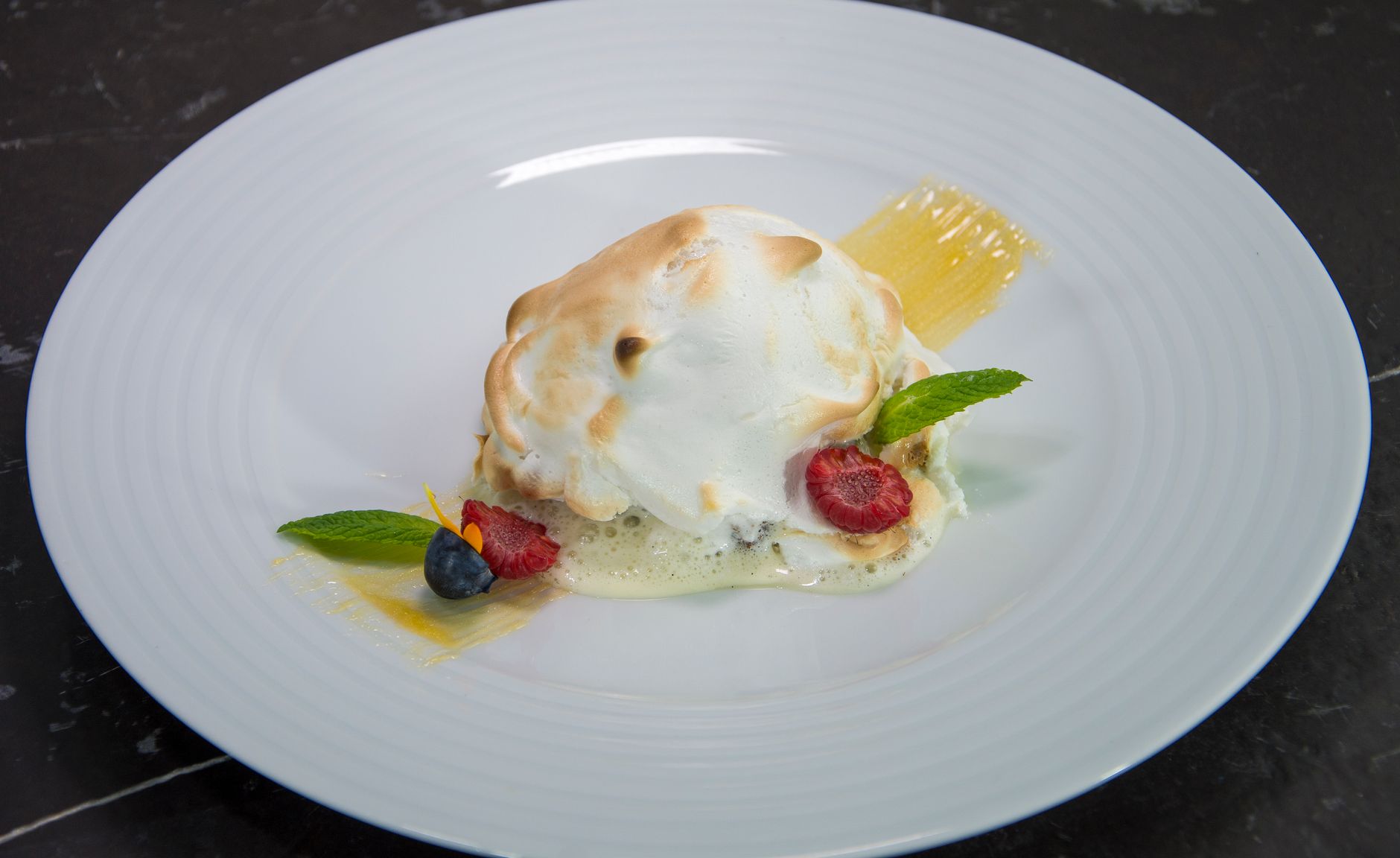
Baked Alaska is a stunning dessert that combines a rich layer of cake, a generous scoop of ice cream, and a fluffy meringue topping. It offers a delightful contrast between the warm, toasted meringue and the cold ice cream, creating an impressive and delicious presentation that’s perfect for special occasions.
This dessert not only delights the palate but also showcases the skill of the cook. Understanding the components, taste, and culinary uses of Baked Alaska can elevate your dessert game and impress your guests.
What Is a Baked Alaska?
A Baked Alaska is a unique dessert made from layers of cake, ice cream, and meringue. The cake serves as the base, usually sponge or pound cake, while the ice cream is often a single flavor or a combination of flavors. The entire dessert is then covered in a layer of meringue, which is baked at a high temperature briefly to achieve a toasted, golden exterior while keeping the inside cold.
Ingredients of Baked Alaska
The key ingredients required to create a Baked Alaska include:
- Cake: Sponge cake or pound cake is commonly used.
- Ice Cream: Your favorite flavors; classic choices include vanilla, chocolate, or strawberry.
- Meringue: Made from egg whites and sugar, this provides texture and sweetness.
Additional Ingredients and Variations
While the core components are simple, there are opportunities for variations:
- Flavoring: Add extracts such as vanilla, almond, or mint to enhance flavors.
- Fruit: Fresh or compote fruits can be layered within the ice cream.
- Liquor: A splash of liqueur like Grand Marnier or rum in the ice cream can add depth.
- Chocolate Chips or Nuts: These can be incorporated into the meringue or ice cream layer for texture.
Taste and Texture of Baked Alaska
Baked Alaska presents a delightful mix of flavors and textures. The light, airy meringue provides a sweet contrast to the dense, moist cake and the creamy ice cream. The flavor profile varies based on the ice cream used, whether it is rich chocolate, refreshing fruit, or classic vanilla.
The outer layer, when properly baked, has a pleasantly gooey texture while the inside remains cold and refreshing, resulting in a dessert that is both satisfying and surprising at the same time.
Essential Equipment for Making Baked Alaska
To create a successful Baked Alaska, you’ll need the following equipment:
- Springform Pan or Cake Pan: For molding the ice cream and cake layers.
- Mixing Bowls: For preparing the meringue and mixing any components.
- Whisk or Electric Mixer: For whipping the egg whites to stiff peaks.
- Spatula: For spreading meringue and ice cream.
- Oven: For baking the meringue layer.
- Freezer: To chill the assembled dessert before baking.
Step-by-Step Guide to Making Baked Alaska
This dessert does require some preparation, but with proper planning, it is manageable. Below is a straightforward method for making your own Baked Alaska.
Preparation Time
Estimated preparation time is about 30 minutes, followed by several hours for freezing. The baking time is approximately 5-10 minutes.
Yield
This recipe yields approximately 8 servings.
Method
- Start by preparing the cake layer. Bake a sponge cake or pound cake. Allow it to cool completely before proceeding.
- Next, mold your ice cream. If you’re using multiple flavors, layer them in a bowl lined with plastic wrap for easier removal. Return it to the freezer until set.
- Once the cake has cooled and the ice cream is molded, assemble the dessert. Place the cake on a serving plate. Top with the ice cream layer, smoothing it out with a spatula.
- In a clean bowl, whip the egg whites until soft peaks form. Gradually add sugar, continuing to beat until stiff peaks are achieved.
- Spread the meringue over the ice cream and cake, ensuring complete coverage. Create peaks and swirls in the meringue for a decorative effect.
- Freeze the assembled Baked Alaska for at least 1 hour to solidify the meringue.
- Preheat your oven to 500°F (260°C) or use a broiler. Quickly bake the meringue for 5-10 minutes until golden brown, watching closely to prevent burning.
- Remove from the oven and serve immediately for the best experience, cutting through the meringue into the delicious layers.
Common Mistakes and Troubleshooting Tips
Like many desserts, Baked Alaska can present challenges. Here are some common mistakes and how to rectify them:
- Over-whipping the Meringue: Avoid over-beating the egg whites, which can affect texture. Stop once stiff peaks form.
- Meringue Weeping: This occurs if the meringue doesn’t have enough sugar. Ensure the right ratio to keep it stable.
- Melting Ice Cream: If the meringue layer doesn’t seal well, the ice cream may begin to melt during baking. Ensure that the meringue is evenly spread over all exposed ice cream.
Serving Suggestions
Baked Alaska can be garnished beautifully for presentation. Consider these serving suggestions:
- Drizzle with chocolate or caramel sauce over the meringue when serving.
- Serve with fresh berries to balance sweetness.
- A sprinkle of toasted nuts or coconut can add texture.
Make-Ahead Guidance
Baked Alaska is excellent for special occasions as it can be prepared ahead of time. Here’s how to approach this:
- Assemble the cake and ice cream layers the day before your event.
- Freeze the constructed dessert overnight, ensuring it is airtight.
- Complete the meringue layer and bake just before serving for a warm, crisp exterior.
Storage and Reheating Guidance
Baked Alaska should be served immediately after baking for the best texture and taste. If you have leftovers, keep them in the freezer, but be aware that the meringue may weep or change texture if stored for more than a few days. It is not ideal to attempt to reheat leftovers as the ice cream will melt.
Culinary Uses of Baked Alaska
Baked Alaska is perfect for festive occasions, dinner parties, or any event calling for an impressive ending to a meal. It makes for a special birthday cake alternative and is often seen in holiday celebrations due to its festive appearance.
Variety in Uses
You can customize Baked Alaska for various occasions:
- For summer parties, use fruity flavors and fresh seasonal fruits.
- During colder months, chocolate and nut flavors can provide a comforting finish to a meal.
- Occasions like Valentine’s Day could feature red velvet cake with raspberry ice cream.
Practical Ingredient Substitutions
While the traditional Baked Alaska is delightful, there are several substitutions if you need to accommodate dietary preferences or restrictions:
- For a gluten-free option, use gluten-free cake or mousse as the base.
- Consider dairy-free ice cream made from coconut or almond milk for vegan options.
- Use aquafaba (chickpea brine) instead of egg whites for a vegan meringue.
Final Thoughts on Baked Alaska
Baked Alaska is a delightful dessert that combines various flavors and textures into one harmonious dish. Its impressive appearance and delicious taste make it a timeless classic for any dessert lover. Whether you follow the traditional recipe or experiment with flavors and variations, mastering Baked Alaska can greatly enhance your pastry skills and impress your guests.
If you’re eager to explore more about meringue techniques or other dessert recipes, check out our guides on French Meringue and Italian Meringue. These resources will help you create delightful desserts worthy of any occasion.