
There’s something almost magical about watching egg whites transform into glossy peaks that hold their shape like clouds suspended in a bowl. French meringue is the gateway drug to meringue making, and honestly, it’s the most forgiving version you’ll encounter in the kitchen.
This recipe delivers a delicate, crispy-on-the-outside, slightly chewy-on-the-inside cookie that tastes like pure sweetness with a whisper of vanilla. Whether you’re piping tiny kisses onto a baking sheet or topping a lemon tart, French meringue works hard and looks effortlessly elegant while doing it. The best part? You likely have all the ingredients sitting in your pantry right now.
Why You’ll Love This Recipe
French meringue wins because it’s simple, stunning, and surprisingly reliable once you know the technique. You’ll feel like a pastry chef the moment those egg whites hit stiff peaks.
- Only three ingredients: egg whites, sugar, and vanilla extract
- Naturally gluten-free and can easily adapt to dairy-free diets
- Crispy texture with a light, cloud-like crumb that melts on your tongue
- Perfect for gifting, topping desserts, or standing alone as a treat
- Makes your kitchen smell incredible while baking
My Experience Making This Recipe
I’ll admit that my first batch of meringue looked more like scrambled eggs than clouds, but that’s what led me to understand the science behind it. Once I stopped second-guessing myself and trusted the process, everything changed.
The sensory experience of making French meringue is genuinely satisfying: the sound of the mixer whipping air into egg whites, the smell of vanilla filling your kitchen, and that moment when you pull golden, crispy cookies from the oven. My family demolished a batch of these in under three days, which tells you everything you need to know about how addictive they are.
I’ve since made these for holiday parties, bake sales, and lazy Sunday afternoons when I wanted something sweet without the fuss. They’ve become my go-to recipe when I need to impress without spending hours in the kitchen.
Recipe Overview
- Recipe Name: French Meringue Cookies
- Servings: About 24 cookies
- Prep Time: 15 minutes
- Cook Time: 90 minutes
- Total Time: 105 minutes plus cooling
- Course: Dessert
- Cuisine: French
- Calories per Serving: 35
Equipment You Will Need
- Electric mixer with whisk attachment
- Large stainless steel or glass mixing bowl
- Piping bag with round or star tip
- Two baking sheets
- Parchment paper
- Rubber spatula
- Measuring cups and spoons
- Oven thermometer (optional but helpful)
Ingredients for French Meringue
- 4 large egg whites, room temperature
- 1 cup granulated sugar, divided as 3/4 cup plus 1/4 cup
- 1 teaspoon vanilla extract
- Pinch of salt
Ingredient Notes and Substitutions
- Egg whites: These are the foundation of your meringue, and room temperature ones whip faster and fuller than cold ones. You can substitute pasteurized egg white powder mixed with water if you’re concerned about raw eggs, though the texture will differ slightly.
- Granulated sugar: Sugar stabilizes the egg whites and creates that signature crispy texture. Superfine sugar works beautifully and dissolves faster, though you may reduce the overall amount by a tablespoon.
- Vanilla extract: Vanilla adds warmth and depth to an otherwise one-note sweetness. Almond extract, peppermint extract, or lemon zest offer completely different flavor profiles if you want to experiment.
- Salt: A tiny pinch helps balance the sweetness and strengthens the meringue structure. You can omit it if you’re watching sodium, though it won’t noticeably affect the outcome.
How to Make French Meringue
Step 1: Prepare Your Equipment and Ingredients
Make sure your bowl and whisk are completely clean and free of any grease or oil, since even a tiny bit of fat will prevent egg whites from whipping properly. Room temperature egg whites whip faster and incorporate more air than cold ones, so take them out of the fridge about 15 minutes before you start.
Step 2: Add Egg Whites to the Bowl
Pour your four egg whites into the clean mixing bowl and add a tiny pinch of salt. The salt helps stabilize the proteins in the egg whites, making them whip to stiffer peaks more easily.
Step 3: Begin Whipping the Egg Whites
Start your electric mixer on medium speed and whip the egg whites for about 2 to 3 minutes until they become foamy and opaque. You’re incorporating air at this stage, which creates the structure for your meringue.
Step 4: Add Sugar Gradually for Stability
Once the egg whites are foamy, slowly sprinkle in 3/4 cup of sugar one tablespoon at a time while the mixer runs on medium-high speed. Adding sugar gradually rather than all at once allows it to dissolve properly and creates a more stable, glossy meringue.
Step 5: Whip Until Stiff Peaks Form
Continue whipping for another 5 to 8 minutes until the meringue reaches stiff peaks, which means the mixture holds sharp, upright peaks when you lift the whisk out. This stage is crucial because stiff peaks hold their shape during piping and baking.
Step 6: Add Vanilla and the Remaining Sugar
Pour in the vanilla extract and sprinkle the remaining 1/4 cup of sugar into the meringue while mixing on low speed for about 30 seconds. This final addition of sugar adds sweetness and helps create a crispy exterior on your baked meringues.
Step 7: Fill Your Piping Bag
Transfer the meringue to a piping bag fitted with a round or star tip, and pipe small mounds onto parchment paper-lined baking sheets, spacing them about 1 inch apart. Piping creates uniform cookies that bake evenly, though you can also drop spoonfuls onto the sheet if you prefer a rustic look.
Step 8: Bake at Low Temperature
Bake your meringues in a 225-degree Fahrenheit oven for 90 minutes, which allows them to dry out slowly rather than brown quickly. Low and slow is the secret to crispy meringues; a higher temperature would cause them to brown and lose their delicate texture.
Step 9: Cool Completely Before Removing
Turn off the oven and crack the door open slightly, then let the meringues sit in the warm oven for another 30 minutes to cool gradually. This prevents them from cracking and helps them become even crispier as they cool.
Step 10: Store in an Airtight Container
Once completely cool, transfer your meringues to an airtight container, where they’ll stay crispy for up to two weeks. Humidity is the enemy of meringue, so store them away from steam and moisture.
Pro Tip: Room temperature egg whites are non-negotiable for meringue success, so plan ahead and pull them from the fridge at least 15 minutes before you start whipping.
Tips for the Best French Meringue
- Use an oven thermometer to verify your oven temperature, since meringues are sensitive to heat and a thermometer is more accurate than the dial on your oven door.
- Separate eggs when they’re cold, but let the whites come to room temperature before whipping, as cold whites take longer to whip and don’t reach the same volume.
- Don’t open the oven door during baking, since temperature fluctuations can cause meringues to crack or develop brown spots.
- Pipe meringues onto parchment paper rather than directly on the baking sheet, as this prevents them from sticking and sliding around.
- Make meringues on a dry day when humidity is low, since moisture in the air causes them to soften and stick together.
- Test one meringue for crispness before removing them all from the oven; if it still feels soft inside, add another 10 to 15 minutes of baking time.
Common Mistakes to Avoid
- Using cold egg whites: Cold whites take twice as long to whip and won’t reach the same volume as room temperature ones, resulting in dense, flat cookies instead of light, airy ones.
- Getting grease in your bowl or whisk: Even a tiny smudge of oil or egg yolk prevents egg whites from whipping properly, so wash your equipment with hot soapy water and dry it thoroughly.
- Adding all the sugar at once: Dumping sugar in too quickly prevents it from dissolving completely, creating a grainy texture rather than a smooth, glossy meringue.
- Baking at too high a temperature: Temperatures above 250 degrees will brown the meringues instead of drying them out, ruining their delicate pale color and crispy texture.
- Opening the oven door too often: Each time you open the door, you release heat and let in humidity, which causes the meringues to crack, brown, or fail to crisp up properly.
Serving Suggestions
French meringues are incredibly versatile and pair beautifully with almost any dessert or fruit you have on hand. Serve them on their own as a light treat, or use them to add elegance to your favorite desserts.
- Sandwich two meringues together with whipped cream and fresh berries for an instant dessert
- Crumble them over ice cream for a textural contrast that’s utterly addictive
- Top a lemon curd tart or pavlova with whole meringues for visual drama
- Dip them in melted chocolate and let it cool for a sophisticated chocolate-dipped treat
- Serve alongside fresh fruit and whipped cream for an elegant, simple dessert
Variations to Try
- Chocolate Meringue: Add 2 tablespoons of unsweetened cocoa powder sifted into the meringue just before piping for rich, chocolatey cookies that still maintain their crispy texture.
- Peppermint Meringue: Replace vanilla with 1/2 teaspoon of peppermint extract and add a pinch of crushed candy canes mixed into the finished meringue for a festive holiday twist.
- Pistachio Meringue: Fold 1/4 cup of finely ground pistachios and a drop of green food coloring into the meringue just before piping for a nutty, elegant variation.
- Strawberry Meringue: Add 1/4 cup of freeze-dried strawberries ground into powder and fold into the meringue for subtle fruity flavor and a pretty pink hue.
- Salted Caramel Meringue: Drizzle the baked meringues with melted caramel sauce and sprinkle with fleur de sel for a sweet-salty combination that’s utterly craveable.
Dietary Adaptations
- Gluten-free: This recipe is naturally gluten-free with no modifications needed, making it perfect for anyone avoiding gluten.
- Dairy-free: The recipe contains no dairy ingredients, so it’s safe for anyone following a dairy-free diet without any substitutions.
- Vegan: Replace the four egg whites with aquafaba from a can of chickpeas (about 1/2 cup) whipped the same way; the cookies will work but may be slightly less crispy.
- Low-carb or Keto: Substitute the sugar with erythritol or monk fruit sweetener using a 1:1 ratio, though the texture will be slightly different and you may need to adjust baking time by 5 to 10 minutes.
Storage and Reheating
Refrigerator
Store cooled meringues in an airtight container in the refrigerator for up to one week, though they’re best eaten within the first few days. Keep them away from other foods with strong odors, as meringues absorb flavors easily.
- Use an airtight container with parchment paper between layers to prevent sticking
- Check them daily for any signs of softening from humidity
Freezer
Meringues freeze beautifully for up to three months in an airtight container, making them perfect for preparing ahead. They don’t require thawing before eating and taste just as good as freshly baked ones.
- Layer them between parchment paper in a freezer-safe container
- Thaw at room temperature for about 15 minutes before serving if you prefer them slightly softer
Reheating
Meringues don’t need reheating since they’re served at room temperature, but you can refresh them if they’ve softened. Place them in a 200-degree oven for 10 to 15 minutes to restore their crispness, then let them cool before eating.
- Use low heat to avoid browning them further
- Watch carefully since they can go from crispy to burnt quickly
Nutrition Information
| Nutrient | Amount |
|---|---|
| Calories | 35 |
| Total Fat | 0g |
| Saturated Fat | 0g |
| Carbohydrates | 9g |
| Fiber | 0g |
| Sugar | 9g |
| Protein | 0.5g |
| Sodium | 15mg |
| Cholesterol | 0mg |
These values are based on approximately 24 cookies per batch with standard sized ingredients. Nutritional information is provided as an estimate and may vary based on specific brands and preparation methods.
Frequently Asked Questions
Can I make French meringue without an electric mixer?
Technically yes, but it would take 20 to 30 minutes of vigorous hand-whisking to reach stiff peaks, and you’d build significantly less volume. An electric mixer is really worth the small effort since it cuts the time down to 15 minutes total.
What should I do if my meringue breaks or looks grainy?
This usually means either grease got into the mixture or the egg whites were too cold when you started. Start over with a clean bowl, room temperature eggs, and verify you didn’t get any yolk in the whites.
How do I know if my meringues are fully cooked?
They should be crispy throughout with no soft, gummy center, and should snap cleanly when you bite into them. If they’re still chewy in the middle after 90 minutes, they need another 10 to 15 minutes in the oven.
Can I make the meringue the day before and pipe it the next day?
You can store whipped meringue in the fridge for up to 8 hours in an airtight container, though it will lose some volume and airiness. It’s best to pipe and bake within a few hours of whipping for the lightest cookies.
What’s the difference between French, Swiss, and Italian meringue?
French meringue is made by whipping raw egg whites with sugar, Swiss is made by whisking eggs over heat, and Italian uses hot sugar syrup poured into whipped whites. French is easiest and crispiest, while the other two are more stable and better for piping decorative shapes.
Why did my meringues brown on the bottom?
Your oven likely runs hot, or the rack was too low and too close to the heating element. Try moving the racks to the middle position and using an oven thermometer to verify the actual temperature inside your oven.
Final Thoughts
Making French meringue is one of those kitchen skills that feels fancy but is actually quite straightforward once you understand the fundamentals. You’ll surprise yourself with how elegant these cookies look and taste, especially considering how few ingredients go into them.
Give this recipe a try and let yourself enjoy the satisfaction of transforming simple egg whites into something spectacular. Whether you’re baking for yourself or impressing dinner guests, these meringues deliver every single time.
If you’re looking to expand your dessert repertoire, you might also enjoy mastering a sourdough baguette recipe for a savory counterpoint to your sweet baking endeavors. And if you want to round out an elegant dinner party, a homemade whiskey sour recipe pairs beautifully with these delicate cookies as an after-dinner treat.
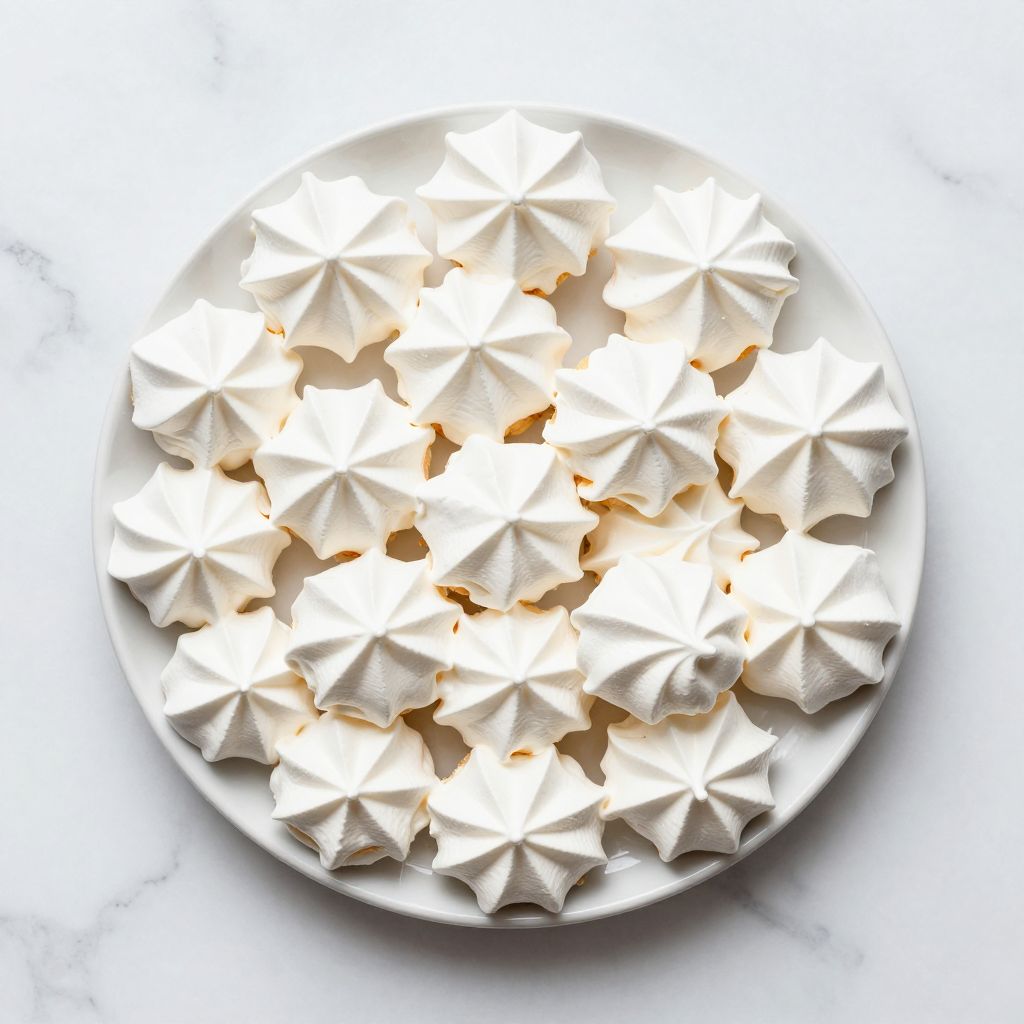
French Meringue Cookies
Ingredients
Equipment
Method
- Ensure bowl and whisk are clean and room temperature egg whites are rested 15 minutes.
- Preheat the oven to 225°F (107°C) and line two baking sheets with parchment paper.
- Pour the 4 egg whites and a pinch of salt into the mixing bowl.
- Start the mixer on medium speed and whip the egg whites for 2 to 3 minutes until foamy and opaque.
- With mixer on medium-high, gradually add 3/4 cup sugar one tablespoon at a time, whipping for 5 to 8 minutes until stiff, glossy peaks form.
- Add 1 teaspoon vanilla extract and the remaining 1/4 cup sugar; mix on low speed for 30 seconds to combine.
- Transfer the meringue to a piping bag and pipe small mounds about 1-inch apart onto the prepared baking sheets.
- Bake at 225°F (107°C) for 90 minutes, then turn off the oven and crack the door open.
- Let the meringues cool in the warm oven for 30 minutes before removing.
- Store completely cooled meringues in an airtight container away from humidity for up to two weeks.