
There’s something almost magical about watching egg whites transform into glossy, billowing clouds of meringue. Italian meringue is the sophisticated cousin of its French counterpart, created by pouring hot sugar syrup into whipped egg whites, which gives it a silky texture and superior stability that makes it perfect for buttercreams, pie toppings, and showstopping desserts.
What makes this recipe special is its cooked nature, which means no raw egg concerns, plus its ability to hold its shape beautifully for hours without weeping. Whether you’re filling a layer cake, topping a lemon pie, or creating an Italian meringue buttercream, this technique delivers restaurant-quality results every time.
Why You’ll Love This Recipe
Italian meringue stands out because it’s more stable than Swiss or French varieties, thanks to the hot sugar syrup cooking the egg whites as you whip them together. Once you master this technique, you’ll use it constantly.
- Silky, glossy texture that looks like spun silk in a bowl
- Completely food-safe since the egg whites are cooked by the hot syrup
- Holds its shape for hours without breaking down or separating
- Perfect base for buttercreams, frostings, and pie meringues
- Impresses guests and elevates any dessert instantly
My Experience Making This Recipe
The first time I made Italian meringue, I was convinced I’d somehow destroy my stand mixer by pouring hot syrup into it. Instead, the transformation was pure joy: watching those stiff egg white peaks suddenly become pillowy and smooth as I drizzled in that molten sugar syrup felt like actual magic.
I’ve since made this dozens of times for wedding cakes, birthday desserts, and even just to frost a simple sponge cake for my family dinner. The stability is unmatched, especially in warm kitchens or humid summers when French meringue would collapse within an hour.
My kids once watched me make a batch and asked why I was “making clouds in a bowl.” That pretty much sums up why I love this recipe so much.
Recipe Overview
- Recipe Name: Italian Meringue
- Servings: Makes about 4 cups (enough for a 2-layer 8-inch cake or 12 cupcakes)
- Prep Time: 10 minutes
- Cook Time: 5 minutes
- Total Time: 15 minutes
- Course: Frosting/Topping
- Cuisine: Italian
- Calories per Serving: 45 calories (per 2-tablespoon serving)
Equipment You Will Need
- Stand mixer with whisk attachment
- Candy thermometer (crucial for accuracy)
- Heavy-bottomed saucepan
- Metal whisk (for manual backup)
- Glass or heatproof bowl
- Rubber spatula
- Fine-mesh sieve
Ingredients for Italian Meringue
- Egg whites: 4 large, room temperature
- Granulated sugar: 1 cup, divided (3/4 cup for syrup, 1/4 cup to whip with whites)
- Water: 1/4 cup
- Cream of tartar: 1/4 teaspoon
- Vanilla extract: 1 teaspoon (optional but recommended)
- Salt: Pinch
Ingredient Notes and Substitutions
- Egg whites: Room-temperature whites whip faster and incorporate more air, creating a lighter, fluffier meringue. Pasteurized egg whites work perfectly if you prefer extra food safety, though the syrup cooking method already makes this safe.
- Granulated sugar: White sugar dissolves most cleanly in the syrup and produces the purest color. Brown sugar or coconut sugar will create off-white meringue and slightly different texture.
- Cream of tartar: This acid stabilizes the egg white foam and prevents grainy texture. Lemon juice (1/2 teaspoon) works as a substitute.
- Vanilla extract: Adds depth and masks any eggy flavor. Almond extract or bourbon vanilla intensifies flavor complexity.
How to Make Italian Meringue
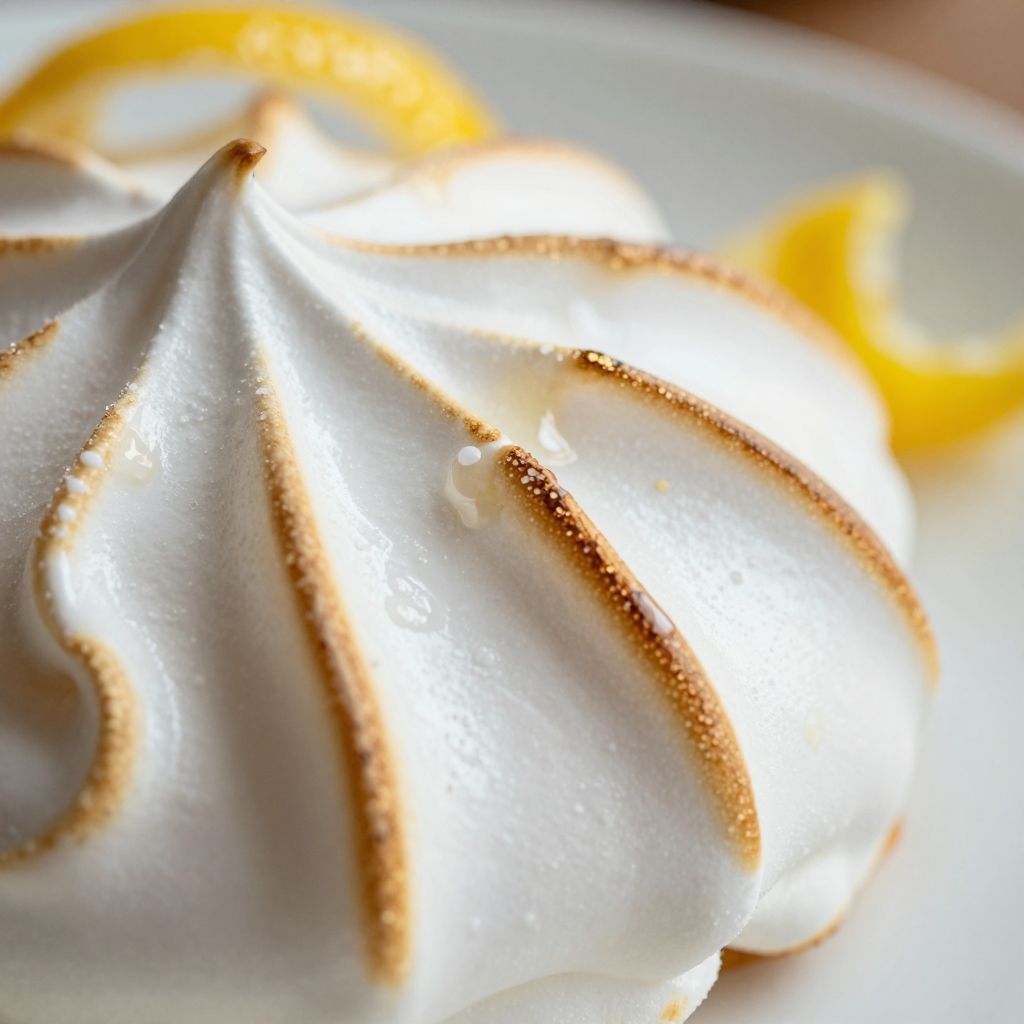
Step 1: Combine Sugar and Water
Pour 3/4 cup sugar and 1/4 cup water into your heavy-bottomed saucepan and stir gently over medium heat until the sugar completely dissolves. Once the syrup comes to a boil, stop stirring and let it cook undisturbed, as stirring after boiling introduces crystals that create grainy meringue.
Step 2: Start Whipping the Egg Whites
While your syrup cooks, add the 4 room-temperature egg whites, cream of tartar, and salt to your stand mixer bowl fitted with the whisk attachment. Start whipping on medium speed, and when soft peaks form (about 2 minutes), gradually add the remaining 1/4 cup sugar while the mixer runs continuously.
Step 3: Monitor Syrup Temperature
Insert your candy thermometer into the boiling syrup, being careful not to touch the bottom or sides of the pan. Continue cooking until the syrup reaches exactly 240 degrees Fahrenheit (soft ball stage), which should take about 3 to 4 minutes total cooking time.
Step 4: Reach Stiff Peaks
By the time your syrup hits 240 degrees, your egg whites should be at stiff peaks: glossy peaks that stand straight up when you lift the whisk. If your whites aren’t ready, slow your mixer to medium-low to prevent overwhipping while you wait for the syrup.
Step 5: Stream in the Hot Syrup
Once the syrup reaches 240 degrees, immediately remove it from heat and let it cool for exactly 30 seconds (this prevents the eggs from cooking into scrambled texture). With the mixer running on medium speed, slowly pour the hot syrup into the whipping egg whites in a thin, steady stream over about 1 minute.
Step 6: Whip Until Silky
Continue whipping on medium-high speed for 3 to 4 minutes after all the syrup is incorporated, until the meringue becomes thick, smooth, and silky with a glossy finish. You’ll notice the bowl cools down as the meringue whips, and the texture transforms from separated and shiny to completely homogeneous and cloud-like.
Step 7: Add Vanilla and Final Touches
Add vanilla extract or any flavoring you choose and whip for another 30 seconds to incorporate fully. Taste a tiny amount to check sweetness and flavor balance, adjusting if needed.
Step 8: Use Immediately or Store
Use your meringue right away for frosting cakes, topping pies, or folding into buttercream bases. If you’re not using it immediately, transfer to an airtight container, where it keeps beautifully for up to 3 days in the refrigerator.
Pro Tip: The moment between adding the hot syrup and finishing the whip is when mistakes happen, so resist the urge to open the mixer and check on things. Trust the process and let it run for the full time specified.
Tips for the Best Italian Meringue
- Use a candy thermometer religiously; eyeballing the temperature is the number one reason meringue fails. The difference between 235 and 245 degrees creates noticeably different textures.
- Room-temperature egg whites whip 30 percent faster than cold ones, so take them out of the fridge about 20 minutes before starting. This also means your final meringue is less likely to break.
- Never skip the 30-second cooling period after removing the syrup from heat; pouring boiling syrup directly onto whipping whites scrambles them into an ugly, grainy mess.
- If you’re nervous about food safety with raw egg whites, use pasteurized eggs from the carton or buy pasteurized eggs at specialty shops. The hot syrup cooking method makes this safe anyway, but pasteurized eggs give extra peace of mind.
- In humid weather, add an extra 1/8 teaspoon of cream of tartar to prevent the meringue from weeping or breaking down over time.
Common Mistakes to Avoid
- Pouring boiling syrup directly onto whipped whites instead of waiting 30 seconds causes scrambled, gritty meringue that looks curdled. Always wait those 30 seconds for the syrup to cool slightly.
- Not whipping whites to stiff peaks before adding syrup means the meringue won’t hold air properly and collapses into a flat, separated mass. Start the syrup only when peaks stand straight up.
- Using cold egg whites slows whipping time dramatically and produces less stable foam that deflates quickly. Always use room-temperature whites.
- Stirring the syrup after it boils introduces sugar crystals that create grainy, gritty texture throughout your meringue. Once boiling, leave it alone.
- Stopping the mixer too early before the meringue becomes smooth and silky leaves it separated and streaky instead of glossy and cohesive. Whip the full 3 to 4 minutes even if it looks done earlier.
Serving Suggestions
Italian meringue is incredibly versatile and works as both a final topping and an ingredient in larger preparations. Use it immediately for the best results, though it holds beautifully for hours if covered.
- Frost a classic lemon layer cake and top with candied lemon peel for elegance
- Dollop generously on top of baked lemon meringue pie and torch for a browned, crispy top
- Fold into softened butter to create Italian meringue buttercream for cakes and cupcakes
- Pipe into small nests and bake at 200 degrees for 2 hours to create crisp meringue cookies
- Top fresh fruit pavlovas and serve immediately with whipped cream and berries
Variations to Try
- Chocolate Italian Meringue: After the meringue reaches full volume, fold in 2 ounces of melted and cooled dark chocolate for a mousse-like topping with subtle chocolate flavor and silky texture.
- Coffee Italian Meringue: Replace vanilla with 1 teaspoon of instant espresso powder dissolved in 1 teaspoon of hot water, creating a sophisticated topping that pairs beautifully with mocha or vanilla cakes.
- Citrus Italian Meringue: Add 1 tablespoon of lemon, lime, or orange zest along with 1/2 teaspoon of extract for bright, tangy flavor that transforms simple cakes into something special.
- Salted Caramel Italian Meringue: Replace the syrup with salted caramel at 240 degrees for a gourmet topping that tastes like salted caramel buttercream without the butter.
Dietary Adaptations
- Gluten-Free: Italian meringue is naturally gluten-free as written; simply ensure any cake or pastry you pair it with is gluten-free certified.
- Dairy-Free: This recipe contains no dairy, making it perfect for dairy-free diets on its own, though butter-based buttercreams won’t work.
- Vegan: Replace 4 egg whites with 1/2 cup aquafaba (liquid from canned chickpeas) whipped to stiff peaks; the texture differs slightly but works beautifully for plant-based baking.
- Low-Carb/Keto: Replace sugar with erythritol or monk fruit sweetener at a 1:1 ratio, though the syrup may not reach proper temperature; monitor carefully and use a lower cooking temperature.
Storage and Reheating
Refrigerator
Transfer cooled meringue to an airtight container and refrigerate for up to 3 days. The texture remains silky and stable throughout this window.
- Cover the container tightly to prevent the meringue from absorbing odors from the fridge
- Let the meringue sit at room temperature for 30 minutes before using if it becomes too stiff to spread
Freezer
Italian meringue freezes beautifully for up to 2 months when stored in an airtight container with plastic wrap pressed directly on the surface. Defrost overnight in the refrigerator for best results.
- Portion into ice cube trays for easy thawing of smaller amounts
- Do not refreeze once thawed
Reheating
Meringue doesn’t need reheating as it’s typically used cold or at room temperature. If meringue becomes too stiff after refrigeration, place the container in warm water for 2 to 3 minutes while stirring gently until it reaches the desired consistency.
- Never microwave meringue as it causes uneven heating and texture breakdown
- A warm water bath is your safest method for softening
Nutrition Information
| Nutrient | Amount |
|---|---|
| Calories | 45 |
| Total Fat | 0g |
| Saturated Fat | 0g |
| Carbohydrates | 11g |
| Fiber | 0g |
| Sugar | 11g |
| Protein | 1g |
| Sodium | 25mg |
| Cholesterol | 0mg |
Nutrition values are based on a 2-tablespoon serving from the full batch. Individual recipes using meringue as an ingredient may vary significantly depending on additions like chocolate, butter, or other mix-ins.
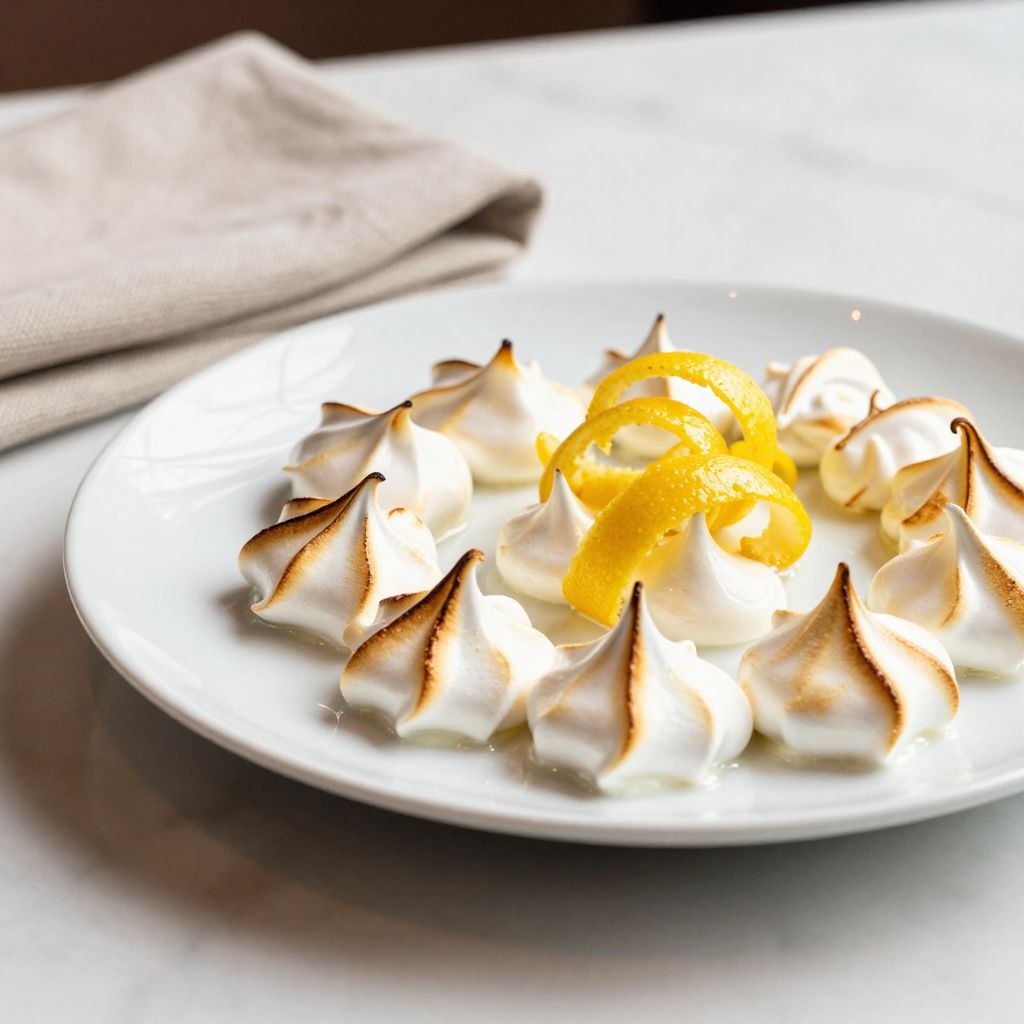
Frequently Asked Questions
Can I use liquid egg whites from a carton instead of fresh eggs?
Yes, absolutely. Pasteurized liquid egg whites work perfectly and offer food-safety benefits for sensitive groups. Use 1/2 cup liquid whites to replace 4 large egg whites and follow the recipe exactly as written.
What’s the difference between Italian, French, and Swiss meringue?
French meringue uses raw egg whites and granulated sugar, making it less stable. Swiss meringue heats egg whites and sugar over a water bath, creating a more stable product but requiring double-boiler equipment. Italian meringue uses hot syrup to cook the whites, creating the most stable and food-safe option for piping and long-term storage.
Can I make this without a candy thermometer?
A candy thermometer is not truly optional because eyeballing sugar temperature causes wildly inconsistent results. Invest in an inexpensive digital candy thermometer for under ten dollars, which removes all guesswork and guarantees success.
Why did my meringue turn grainy and separated?
Grainy texture usually means the syrup was too hot when poured (skip the 30-second cooling period) or you stirred the syrup after it boiled. Separated meringue means the whites weren’t at stiff peaks when you added the syrup, so next time whip them longer before starting.
How long will Italian meringue hold up on a frosted cake in warm weather?
Italian meringue is stable for 4 to 6 hours at room temperature, which beats French meringue by hours. In hot, humid conditions, refrigerate the frosted cake and bring it out 30 minutes before serving for the best appearance and taste.
Can I add food coloring to Italian meringue?
Gel food coloring works beautifully and doesn’t add moisture like liquid colors do. Add just 2 to 3 drops after the meringue reaches full volume and whip for 10 seconds to distribute the color evenly.
Final Thoughts
Mastering Italian meringue opens doors to countless desserts that look bakery-quality and taste absolutely delicious. Once you’ve made it a few times, the process becomes second nature, and you’ll find yourself whipping up batches for every celebration.
Try this recipe on your next layer cake or pie, and watch your guests’ faces light up when they taste that silky, perfectly sweet frosting. You’ve got this, and your desserts are about to reach a whole new level.
Explore More Frosting Recipes
Now that you’ve mastered Italian meringue, expand your frosting repertoire with other classic techniques and recipes.
Learn how to make French meringue for a simpler approach when you’re short on time, or cool down this summer with a refreshing Italian ice recipe that’s perfect for hot days.
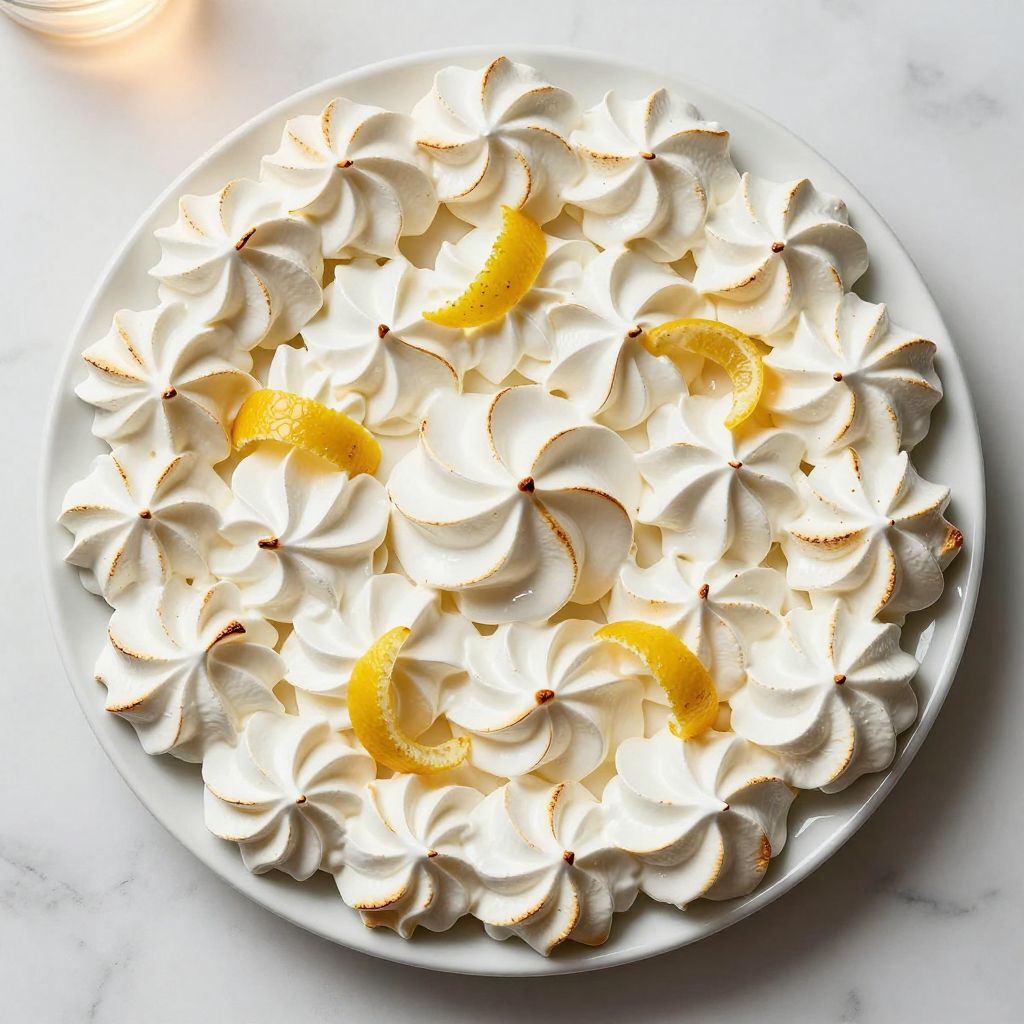
Italian Meringue
Ingredients
Equipment
Method
- In a heavy-bottomed saucepan over medium heat, combine 3/4 cup sugar and 1/4 cup water and stir until the sugar dissolves.
- Once the syrup comes to a boil, stop stirring and clip on a candy thermometer, cooking until it reaches 240°F (soft ball stage), about 3 to 4 minutes.
- Meanwhile, in a stand mixer fitted with the whisk attachment, beat egg whites, cream of tartar, and salt on medium speed until soft peaks form, about 2 minutes.
- Gradually add the remaining 1/4 cup sugar to the egg whites and continue whipping until stiff peaks form.
- Remove the syrup from heat and let it cool for 30 seconds, then with the mixer running on medium speed, slowly stream the hot syrup into the egg whites over about 1 minute.
- Increase mixer speed to medium-high and whip the meringue until glossy, thick, and cool to the touch, about 3 to 4 minutes.
- Add vanilla extract and whip for 30 seconds to incorporate.
- Use the Italian meringue immediately for frosting or toppings, or transfer to an airtight container and refrigerate for up to 3 days.