
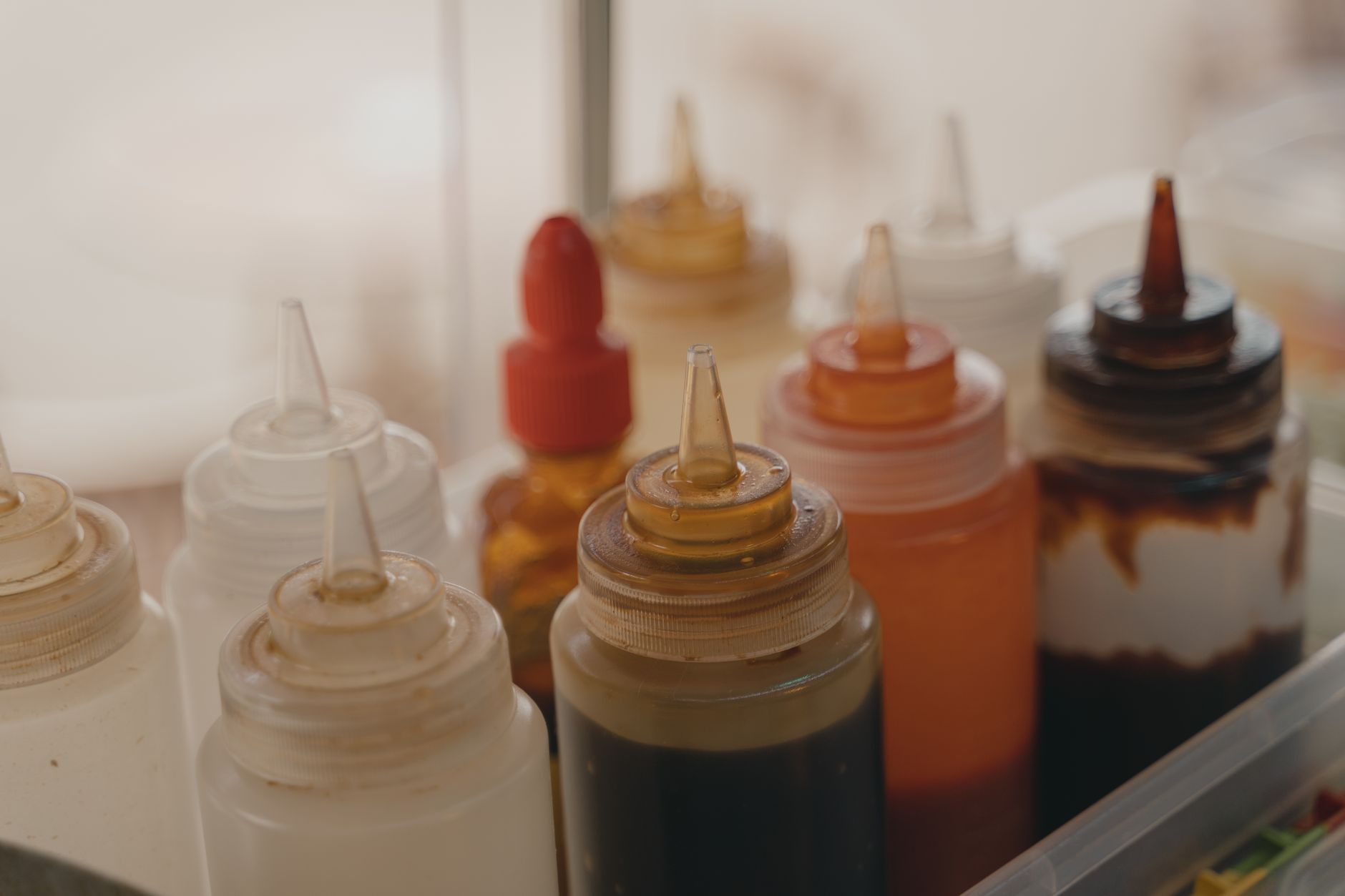
Have you ever stared at a bottle of salad dressing in your refrigerator, unsure if it’s still safe to use? You’re not alone. Many people wonder what happens if they consume expired salad dressing and whether it poses any health risks. Understanding salad dressing storage, expiration dates, and signs of spoilage can help you make informed decisions about food safety.
In this article, we’ll explore what to expect if you eat expired salad dressing, how to identify if it’s still good, optimal storage methods, and tips to extend shelf life. Whether you’re a salad lover or just looking to jazz up your meals, this guide will provide you with valuable information.
What Happens If You Eat Expired Salad Dressing?
Eating expired salad dressing can lead to foodborne illness, though the risk largely depends on the dressing’s ingredients and storage conditions. Most commercial salad dressings contain preservatives that allow them to last beyond their expiration dates, but there are still risks associated with consuming them after a certain period.
In general, the consequences of eating expired salad dressing may include an upset stomach, nausea, and other gastrointestinal issues due to spoilage or bacteria growth. It’s important to assess the dressing before consumption rather than relying solely on the expiration date.
Understanding Expiration Dates
Expiration dates can often lead to confusion. Different terms can appear on product labels, and these terms have different meanings:
- Best By: Indicates the period during which the dressing is expected to retain its best flavor and quality.
- Use By: Refers to the last date recommended for use while at peak quality, particularly for perishable items.
- Sell By: Instructs retailers when to remove an item from store shelves but doesn’t indicate the safety of the product.
Common Ingredients in Salad Dressings
Understanding the ingredients in your salad dressing can help you determine its safety after the expiration date. Common ingredients include:
- Vinegar: Often acts as a preservative due to its acidity.
- Oil: Can become rancid but doesn’t usually harbor harmful bacteria.
- Eggs or dairy: These ingredients spoil more quickly and may increase the risk of foodborne illness.
- Preservatives: Many commercial dressings contain preservatives that extend shelf life.
Signs of Spoilage
Before consuming salad dressing, check for signs of spoilage. Look for:
- Change in Color: A noticeable darkening or change in color can indicate spoilage.
- Unpleasant Odor: A sour or off smell is a clear sign that the dressing should not be consumed.
- Texture Changes: If the dressing has separated significantly or developed an unusual texture, it may be spoiled.
- Mold Formation: If you see mold or other contaminants, discard the dressing immediately.
Storage Guidelines for Salad Dressing
Proper storage is crucial to maintaining the quality of salad dressing. Here are some key storage guidelines:
- Refrigeration: Always store salad dressing in the refrigerator after opening to slow down spoilage.
- Seal Tightly: Make sure the bottle is sealed tightly to prevent air from entering and causing degradation.
- Keep Away from Light: Store dressing in a dark area of the refrigerator or in a cupboard away from direct sunlight to avoid temperature fluctuations.
- Check Before Use: Always check for signs of spoilage, even with proper storage.
Homemade vs. Commercial Salad Dressings
The risk associated with consuming expired salad dressing may differ between homemade and commercial varieties. Here’s a comparison:
Commercial Salad Dressings
These are typically created with preservatives and may have a longer shelf life. They can often last several months beyond their expiration date when stored properly. However, always assess for signs of spoilage before consumption.
Homemade Salad Dressings
Homemade dressings usually lack preservatives and can spoil more quickly. They typically last about a week in the refrigerator. It’s best to consume them within this timeframe and discard any leftovers after a week to ensure safety.
Consequences of Eating Expired Salad Dressing
The consequences of consuming expired salad dressing can range from mild to severe.
Possible Mild Reactions
If you eat expired salad dressing that is slightly past its expiration date but shows no signs of spoilage, you might experience:
- Minor Gastrointestinal Issues: Such as mild nausea or an upset stomach.
- Digestive Discomfort: Including bloating or gas.
Severe Reactions
In cases where the dressing is significantly expired or shows signs of spoilage, more severe reactions may occur:
- Food Poisoning: Symptoms include vomiting, diarrhea, stomach cramps, and fever.
- Allergic Reactions: If the dressing contains allergens that have degraded, it may trigger an allergic response.
How to Safely Dispose of Expired Salad Dressing
If you determine that your salad dressing has expired or shows signs of spoilage, it’s important to dispose of it properly:
- Pour Down the Drain: Liquid dressing can often be poured down the sink, but check local regulations concerning disposal.
- Seal in a Bag: Solid or chunky dressings should be sealed in a plastic bag before throwing them in the trash.
- Check Local Guidelines: Some communities have specific guidelines for disposing of food waste.
Extending the Shelf Life of Salad Dressing
With a few tweaks, you can maximize the longevity of your salad dressing:
- Batch Prep: If making homemade dressings, prepare smaller batches to ensure freshness.
- Use Clean Utensils: Always use a clean spoon or pour directly from the bottle to avoid contamination.
- Avoid Temperature Fluctuations: Avoid leaving dressing out at room temperature for extended periods.
What to Do If You Feel Unwell
If you experience symptoms of food poisoning after consuming expired dressing, here are steps to take:
- Stay Hydrated: Drink plenty of fluids to prevent dehydration.
- Rest: Allow your body time to recover without exertion.
- Seek Medical Attention: If symptoms persist or worsen, contact a healthcare provider.
Final Tips for Dressing Safety
To ensure you’re making safe choices with salad dressings, consider the following tips:
- Label and Date: Label homemade dressings with a date to track freshness.
- Choose Wisely: When purchasing store-bought dressings, select brands with fewer preservatives and additives.
- Know Your Ingredients: Familiarize yourself with what’s in your dressing to understand potential spoilage.
By practicing these guidelines and being mindful of expiration dates, you can enjoy your salad dressings safely. Ultimately, the goal is to keep your meals both flavorful and safe for consumption.
Salad dressings can transform a simple salad into a gourmet meal, but safety must come first. Remember to trust your instincts when assessing food quality—when in doubt, throw it out.
If you’re interested in safe food storage practices, you might find it helpful to check out how long chicken is good for in the fridge or how long cottage cheese lasts after opening. These guides will help you maintain freshness and safety in your kitchen.