
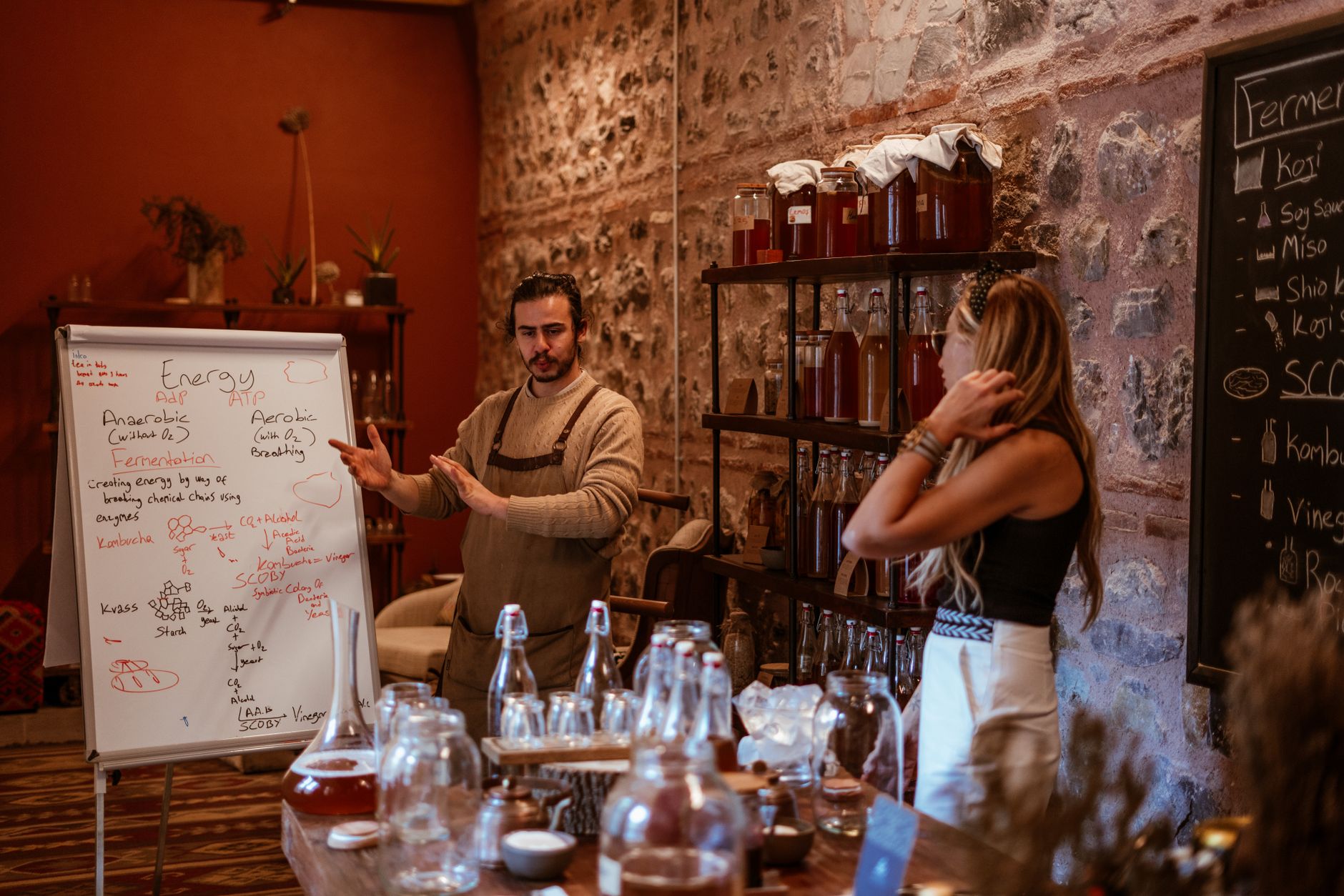
Kombucha is a sparkling, fermented tea that has captured the interest of health enthusiasts and beverage lovers alike. Its origins are deeply intertwined with centuries of tradition and culture, leading to a diverse world of flavors and health benefits. Understanding where kombucha comes from offers insight into its preparation, ingredients, and potential health aspects.
This article explores the rich history of kombucha, the traditional methods of fermentation, and the various factors that contribute to its unique taste and texture. Whether you’re a seasoned kombucha brewer or just curious about this fizzy drink, you’ll find plenty of useful information here.
Where Does Kombucha Come From?
Kombucha is believed to have originated in Northeast China around 220 B.C. Originally referred to as “the Tea of Immortality,” it spread to Russia and then worldwide, thanks to its purported health benefits. The fermentation process transforms sweetened tea into this effervescent beverage, which delights palates and has a wide appeal for those looking for natural probiotic sources.
The Historical Journey of Kombucha
The history of kombucha spans thousands of years and crosses various cultures. Its origins are somewhat murky, but ancient records suggest it was consumed in Asia for its health benefits. From China, it made its way to Russia in the early 1900s, where it was also recognized for its therapeutic qualities. By the 1990s, kombucha gained traction in the Western world, aligning with the rise in demand for healthy, alternative beverages.
The Fermentation Process
The beauty of kombucha lies in its fermentation process, which involves sweetened tea and a symbiotic culture of bacteria and yeast (SCOBY). This unique fusion is crucial for kombucha’s transformation and is what gives it its characteristic tangy flavor and fizz.
Key Ingredients
- Tea: Black, green, or herbal teas can be used. Each type contributes distinct flavors and benefits.
- Sugar: White granulated sugar is commonly used, as it feeds the yeast during fermentation.
- SCOBY: This gelatinous mass of bacteria and yeast is essential for fermentation.
- Water: Filtered water is preferable to avoid any impurities that might hinder fermentation.
Fermentation Stages
The fermentation of kombucha occurs in two stages:
- Primary Fermentation: Brew tea, add sugar, and allow the SCOBY to ferment for 7 to 21 days. During this period, the sugar is converted into acids, gases, and beneficial probiotics.
- Secondary Fermentation: After primary fermentation, the kombucha can be flavored with fruits or herbs and bottled for additional carbonation. It typically ferments for an additional 3 to 7 days in a sealed container.
Cultural Significance of Kombucha
Beyond its refreshing taste, kombucha holds cultural importance in many societies. In China, it was regarded as a health tonic, while in Russia, it became a staple for home brewing. These traditions reflect a long-standing belief in the health benefits of fermentation.
Kombucha in Modern Times
Today, kombucha is widely available in grocery stores and cafes, showcasing a variety of flavors and brands. Its popularity reflects an increasing awareness of gut health and wellness pursuits. Craft breweries and artisanal producers have also entered the market, elevating kombucha to culinary status.
Health Benefits Associated with Kombucha
While the health benefits of kombucha are often marketed, it’s important to approach these claims cautiously. Research suggests kombucha may offer benefits such as:
- Improved digestion due to its probiotic content
- Potential antioxidant properties from tea polyphenols
- Boosted immune system function
- Detoxification support
However, individual experiences can vary, and its health benefits are still being studied.
Possible Risks of Kombucha
Though kombucha is often considered safe for consumption, it’s essential to be mindful of potential risks, especially for specific populations:
- Individuals with compromised immune systems should consult healthcare providers before consuming.
- Homemade kombucha can lead to contamination if not produced under sterile conditions.
- Excessive consumption can result in digestive upset due to high acidity.
How to Brew Kombucha at Home
Making your own kombucha is an enjoyable and rewarding process. Here’s a straightforward guide to get started.
Ingredients Needed
- 1 cup of sugar
- 8 tea bags (black or green tea)
- SCOBY
- 2 cups of starter tea (from a previous batch or store-bought kombucha)
- 16 cups of filtered water
Essential Equipment
- A large glass jar (gallon-sized or larger)
- A cloth or coffee filter to cover the jar
- A rubber band to secure the cloth
- A measuring cup
- A wooden or plastic stirring paddle
- Glass bottles for secondary fermentation
Brewing Method
- Boil 4 cups of water, then steep the tea bags for approximately 10 minutes. Remove the tea bags and stir in the sugar until dissolved.
- In a large glass jar, combine the brewed tea with 12 cups of cool filtered water. Allow the mixture to cool to room temperature.
- Add the starter tea and gently place the SCOBY into the jar.
- Cover the jar with a cloth or coffee filter, securing it with a rubber band. This allows airflow while preventing contamination.
- Place the jar in a warm, dark place, away from direct sunlight, for 7 to 21 days. Taste periodically to check for desired flavor and fizz.
- Once the kombucha is ready, remove the SCOBY and set it aside for future use. Bottle the kombucha, leaving about 1 cup in the jar for the next batch.
- If desired, flavor your kombucha with fruit, herbs, or spices during the bottling process. Seal the bottles and allow them to ferment for an additional 3 to 7 days to develop carbonation.
- Once carbonated, refrigerate the bottles to stop fermentation and enjoy your homemade kombucha!
Flavoring Kombucha
Flavoring your kombucha can enhance its taste and make the beverage more enjoyable. Here are some popular flavoring options:
- Fresh fruits: Berries, lemons, and ginger add a refreshing element.
- Herbs: Mint, basil, or rosemary can provide an aromatic twist.
- Spices: Cinnamon, vanilla bean, or ginger can introduce warmth and complexity.
Flavoring Tips
When flavoring your kombucha, here are a few tips to keep in mind:
- Use fresh ingredients for the best flavor.
- Chop or muddle fruits to release their juices more effectively.
- Start with small amounts and adjust to taste during secondary fermentation.
Common Mistakes to Avoid
Brewing kombucha at home is a learning experience. Here are some common mistakes to avoid:
- Using metal containers during the fermentation process, as this can affect the SCOBY.
- Insufficient cleanliness, leading to contamination.
- Not allowing enough time for fermentation, resulting in overly sweet kombucha.
Troubleshooting Kombucha
If you encounter issues during your brewing journey, here are some common problems and solutions:
- Flat kombucha: Increase the fermentation time or use a secondary fermentation to encourage carbonation.
- Too sweet: Allow more time for fermentation to convert sugar into acids.
- Vinegar-like taste: This may indicate over-fermentation; be mindful of timing.
Storing and Serving Kombucha
Homemade kombucha can be stored in the refrigerator once it’s chilled and carbonation is achieved. Proper storage ensures the best flavor and quality. Serve cold for a refreshing drink and enjoy it by itself, or use it as a mixer in cocktails or smoothies.
Final Thoughts
Kombucha embodies a rich tradition that spans cultures and generations. Understanding its origins and brewing process not only enhances appreciation for the beverage but also empowers you to create your own versions at home. Whether you enjoy it as a health tonic or simply a delightful drink, kombucha offers endless possibilities for flavor and creativity.
Ready to explore more about fermentation? Check out our Ginger Bug Recipe or discover what Foods Have Probiotics to expand your culinary repertoire!