
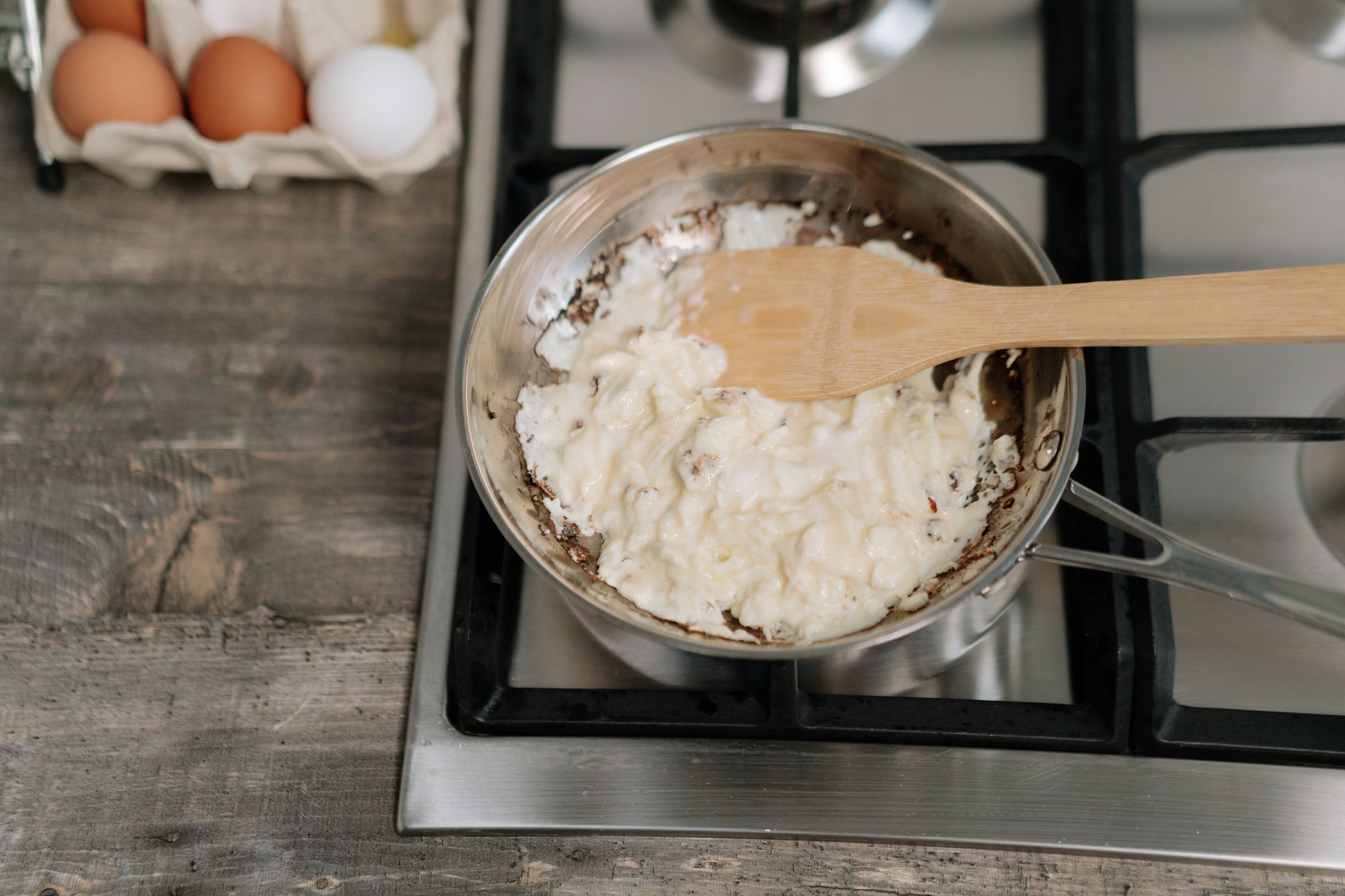
Scrambled eggs are a popular and versatile dish enjoyed for breakfast, lunch, or dinner. They can be made quickly and easily, making them a staple in many households. However, a common question arises: can scrambled eggs be reheated? Understanding the proper techniques and safety measures can ensure that reheated scrambled eggs retain their creamy texture and rich flavor.
In this article, we will explore whether scrambled eggs can be reheated, the best methods to do so, safety considerations, and tips for storing them correctly. Whether you want to make a big batch of scrambled eggs for meal prep or just want to enjoy leftovers, knowing how to reheat them properly can maximize your culinary experience.
Can Scrambled Eggs Be Reheated?
Yes, scrambled eggs can be reheated. However, there are important methods and safety guidelines to follow to ensure they remain delicious and safe to eat. Reheating improperly can lead to a rubbery texture and an unpleasant flavor. The goal is to retain the creaminess and avoid overcooking.
Why Reheat Scrambled Eggs?
Reheating scrambled eggs is a practical choice for several reasons:
- Meal Prep: Preparing scrambled eggs in advance can save time during busy mornings.
- Leftovers: Scrambled eggs can be made in larger quantities, allowing for tasty leftovers that can be enjoyed later.
- Versatility: Reheated scrambled eggs can be incorporated into other dishes, such as breakfast burritos, omelets, or on top of a salad.
Storing Scrambled Eggs Safely
Before we dive into reheating techniques, it’s crucial to understand how to store scrambled eggs properly. Following safe storage practices will ensure you avoid foodborne illnesses.
Cooling and Storing
- After cooking scrambled eggs, allow them to cool down to room temperature. Avoid leaving them out for more than two hours to ensure safety.
- Transfer the cooled scrambled eggs into an airtight container to prevent moisture loss and odor absorption from the fridge.
- Label the container with the date of storage and keep it in the refrigerator for up to three days. If you don’t plan to eat them within that time frame, consider freezing.
Freezing Scrambled Eggs
If you want to keep scrambled eggs for a more extended period, freezing is an option:
- Spread the cooked scrambled eggs in a single layer on a baking sheet and freeze for about an hour.
- Once frozen, transfer the eggs to a freezer-safe container or bag, removing as much air as possible to prevent freezer burn.
- Label with a date and use within three months for the best quality.
Best Methods to Reheat Scrambled Eggs
After ensuring the scrambled eggs are correctly stored, the next step is reheating them. Several methods can be employed to bring your leftovers back to life.
Method 1: Reheating in the Microwave
The microwave is one of the quickest methods to reheat scrambled eggs.
- Place a serving of scrambled eggs in a microwave-safe bowl.
- Add a splash of milk or a small pat of butter. This helps keep the eggs moist and enhances their creaminess.
- Cover the bowl with a microwave-safe lid or plate to prevent splatters.
- Heat in the microwave on medium power for 30 seconds.
- Remove and stir the eggs to ensure even heating. Microwave for an additional 15 to 30 seconds if not warm enough.
Be cautious not to overheat, as this can lead to rubbery eggs.
Method 2: Reheating on the Stovetop
The stovetop is another great option that allows for better control over the reheating process.
- Preheat a non-stick skillet over low to medium-low heat.
- Add the scrambled eggs to the skillet along with a small amount of butter or oil to prevent sticking and to add moisture.
- Gently stir the eggs as they reheat, making sure to break up any large clumps.
- Continue to cook for 3 to 5 minutes until heated through, but not browned.
This method helps retain the texture of the scrambled eggs better than a microwave.
Method 3: Reheating in the Oven
If you’ve prepared a larger batch of scrambled eggs, the oven can be an effective reheating method.
- Preheat the oven to 350°F (175°C).
- Spread the scrambled eggs in a single layer on a baking dish. If desired, add a little milk or water to the eggs to help maintain moisture.
- Cover the dish with aluminum foil to prevent drying out.
- Bake for about 10 to 15 minutes or until they are heated thoroughly, stirring halfway through.
Common Mistakes When Reheating Scrambled Eggs
To achieve the best reheated scrambled eggs, be mindful of these common mistakes:
- Overheating: Cooking scrambled eggs at too high a temperature or for too long can cause them to become tough and rubbery.
- Ignoring Moisture: Lack of moisture when reheating can result in dry eggs. Always add a bit of liquid if possible.
- Failure to Stir: Not stirring the eggs while reheating can lead to uneven heating and clumped texture.
- Using Uncovered Dishes: Not covering scrambled eggs while reheating, especially in the microwave, can result in dry, overcooked edges.
Safety Considerations
When preparing and reheating scrambled eggs, food safety is paramount. Keep these safety guidelines in mind:
- Storage Time: Ensure that scrambled eggs are consumed within three days of original cooking for best quality and safety.
- Temperature: Reheat scrambled eggs to an internal temperature of 165°F (74°C) to kill any potential bacteria.
- Thawing Frozen Eggs: If reheating frozen scrambled eggs, thaw them in the refrigerator overnight before reheating.
Creative Ways to Use Reheated Scrambled Eggs
Reheated scrambled eggs can be incorporated into a variety of dishes, enhancing flavor and texture. Here are some ideas:
- Breakfast Burritos: Wrap scrambled eggs with cheese, salsa, and your choice of veggies in a tortilla.
- Omelettes: Incorporate reheated scrambled eggs into omelets by filling them with additional ingredients like spinach, mushrooms, or cheese.
- Salads: Top a fresh salad with reheated scrambled eggs and a drizzle of dressing for an added protein boost.
- Egg Fried Rice: Mix reheated scrambled eggs into fried rice along with vegetables and protein for a delicious meal.
Flavor Variations for Scrambled Eggs
Enhance your scrambled eggs with various flavorings and ingredients before they are reheated:
- Herbs and Spices: Add fresh herbs like chives, parsley, or dill, or sprinkle in seasonings like paprika or garlic powder.
- Cheese: Incorporate shredded cheese such as cheddar or feta into the eggs just before serving for extra creaminess.
- Veggies: Sauté vegetables such as bell peppers, onions, or tomatoes and fold them into the scrambled eggs.
- Meats: Include cooked meats like ham, bacon, or sausage for a hearty addition.
Conclusion
Reheating scrambled eggs can allow for delicious meals made from leftovers, meal prep, or simply enjoying a quick bite. Whether you choose to microwave, stovetop, or oven, taking precautions and following the right methods will ensure your scrambled eggs remain soft, flavorful, and safe to eat. Next time you cook scrambled eggs, consider making an extra batch for a hassle-free future meal.
Explore related recipes and cooking tips to further enhance your culinary experience. Check out how many calories are in 2 scrambled eggs or learn how long it takes to bake a sweet potato for a delicious side dish.