
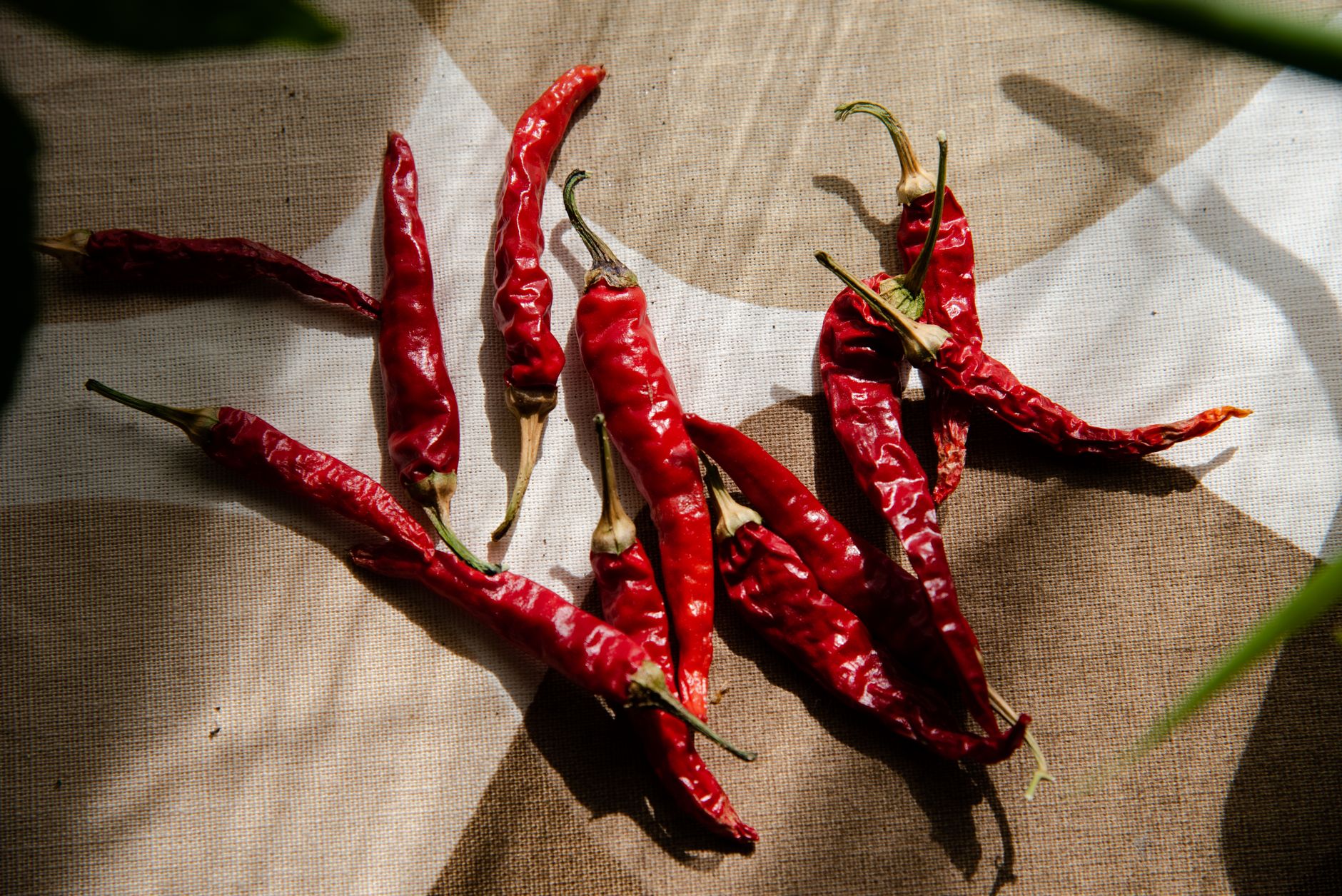
Dried jalapeños, known as “chipotles,” are a beloved ingredient in many cuisines, particularly in Mexican cooking. These peppers are known for their rich, smoky flavor, which adds depth to a variety of dishes. In this article, we’ll explore the history and origins of dried jalapeños, their culinary uses, and tips for selecting and storing them.
Understanding the different types of dried jalapeños can enhance your cooking and allow you to experiment with flavors in unique ways. Whether you’re looking to spice up a sauce or incorporate them into your next meal, knowing what dried jalapeños are called and how to use them is essential.
What Are Dried Jalapenos Called?
Dried jalapeños are most commonly known as “chipotle peppers.” The name “chipotle” comes from the Nahuatl word “tsipotle,” meaning smoked chili. This term refers specifically to jalapeños that have been harvested when fully ripe, then dried through a smoking process that infuses them with a distinct flavor.
History and Origins of Chipotles
Chipotle peppers have a rich history rooted in Mexican culture. The practice of drying and smoking chilies dates back thousands of years, primarily used by the indigenous peoples of Mexico. This technique was not only a method of preservation but allowed for the development of complex flavors.
Historically, jalapeños were first cultivated in the region of Veracruz, Mexico. As these peppers gained popularity, methods for drying and smoking them were developed, leading to the creation of chipotle peppers as we know them today. This process enhances their natural heat and gives them a deep, smoky taste, making chipotles a critical ingredient in numerous traditional dishes.
Flavor and Culinary Uses of Chipotle Peppers
Chipotle peppers provide a unique combination of heat and smokiness, making them suitable for various culinary applications. Here are some common uses:
- Sauces: Chipotles can be blended into sauces, such as enchilada sauce or ranch dressing, adding depth and complexity.
- Meats: The smoky flavor complements meats, particularly in marinades, rubs, or barbecue sauces.
- Soups and Stews: Adding chipotles to soups and stews results in a rich, robust flavor.
- Vegetarian and Vegan Dishes: Chipotle peppers enhance grilled vegetables, beans, or tofu, providing a hearty flavor profile.
- Dressings and Dips: Incorporate chipotles into salad dressings or dips for added excitement.
Selecting Dried Jalapeños (Chipotles)
When selecting dried jalapeños, look for whole peppers that are firm without any signs of mold or excessive moisture. They should have a deep reddish-brown color and a smoky aroma. You can find them in different forms, including:
- Whole Chipotles: Ideal for grinding into powder or using as is for added texture.
- Chipotle Powder: A convenient option for those who want instant flavor without the need to grind. It can be sprinkled onto dishes or incorporated into spice blends.
- Canned Chipotles in Adobo Sauce: These are rehydrated and preserved in a flavorful sauce made from tomatoes, vinegar, and spices. They provide an excellent flavor boost in dishes.
How to Store Dried Jalapeños
Proper storage of chipotle peppers is essential for maintaining their flavor and quality. Here are some tips:
- Cool, Dark Place: Store dried jalapeños in an airtight container in a cool, dark place, such as a pantry or cupboard.
- Refrigeration: While not necessary, refrigeration can prolong the shelf life, especially in humid climates.
- Expiration: Dried jalapeños can last for up to a year if stored properly, but their flavor may weaken over time.
How to Use Chipotles in Cooking
Using chipotles in your cooking can enhance the flavor of many dishes while providing a delicious layer of smokiness. Here’s how to incorporate them effectively:
Preparation Methods
- Rehydrating: To use whole dried chipotles, you can rehydrate them by soaking in hot water for about 20-30 minutes. This softens them and makes them easier to blend or chop.
- Grinding: If you prefer chipotle powder, grind the dried peppers using a spice grinder or mortar and pestle until fine. Use this powder in various dishes to impart that smoky heat.
- Blending: For a smoky sauce, blend soaked chipotles with tomatoes, garlic, and onion to create a rich salsa or sauce.
Common Recipes Incorporating Chipotles
Here are some traditional recipes that highlight dried jalapeños or chipotles:
- Chipotle Salsa: A lively mix of roasted tomatoes, garlic, onion, and chipotle peppers.
- Chipotle Chicken Tacos: Shredded chicken marinated in chipotle sauce, served in warm tortillas.
- Cheesy Chipotle Queso: A creamy dip made with cheese, cream, and diced chipotles for a smoky flavor.
- Smoky Black Bean Soup: Black beans simmered with chipotles, offering a rich depth of flavor.
Substituting Chipotles in Recipes
If you don’t have dried jalapeños or chipotle peppers on hand, you can explore various alternatives. Consider the following substitutes:
- Cayenne Pepper: Offers heat but lacks smokiness. Use about one-quarter of chipotle’s quantity and add liquid smoke for depth.
- Smoked Paprika: Adds a similar smokiness without the heat. Use equal parts to replace chipotles.
- Fresh Jalapeños: If using fresh jalapeños, consider roasting them for added flavor intensity. Use a higher quantity to match heat levels.
Common Mistakes When Using Chipotles
Incorporating chipotle peppers into your cooking can elevate your dishes, but be wary of certain mistakes:
- Overusing: Chipotles can be quite spicy, so start with a small amount if you’re unsure and gradually increase to taste.
- Ignoring the Soak: Failing to rehydrate dried chipotles can lead to tough bits in your dish. Always soak or cook them to soften.
- Not Balancing with Acidity: The richness of chipotles often needs balancing; consider pairing them with acids like lime juice or vinegar for better flavor.
Where to Buy Dried Jalapeños
Dried jalapeños can be found in many grocery stores, particularly in the international or spice aisles. Here are some common options:
- Local Grocery Stores: Most major grocery chains carry dried chipotle peppers, either whole or ground.
- Online Retailers: Websites like Amazon or specialty spice shops offer a variety of dried chilies, including chipotles.
- Farmers’ Markets: Some local vendors and markets may sell home-dried chipotles or specialty peppers.
Conclusion: Elevating Your Cooking with Chipotles
Dried jalapeños, or chipotles, play a significant role in enhancing the flavors of a wide array of dishes. Their unique smoky heat adds a layer of depth that few ingredients can replicate. By understanding where to find these peppers, how to use them, and common substitutes, you can make the most of their rich culinary history.
Explore the flavors and culinary possibilities that chipotle peppers offer in your cooking. For further inspiration, check out the Chuy’s Jalapeno Ranch Recipe for a delicious dipping sauce featuring jalapeños or visit the Habanero Salsa Recipe for a spicy twist on traditional salsa.