
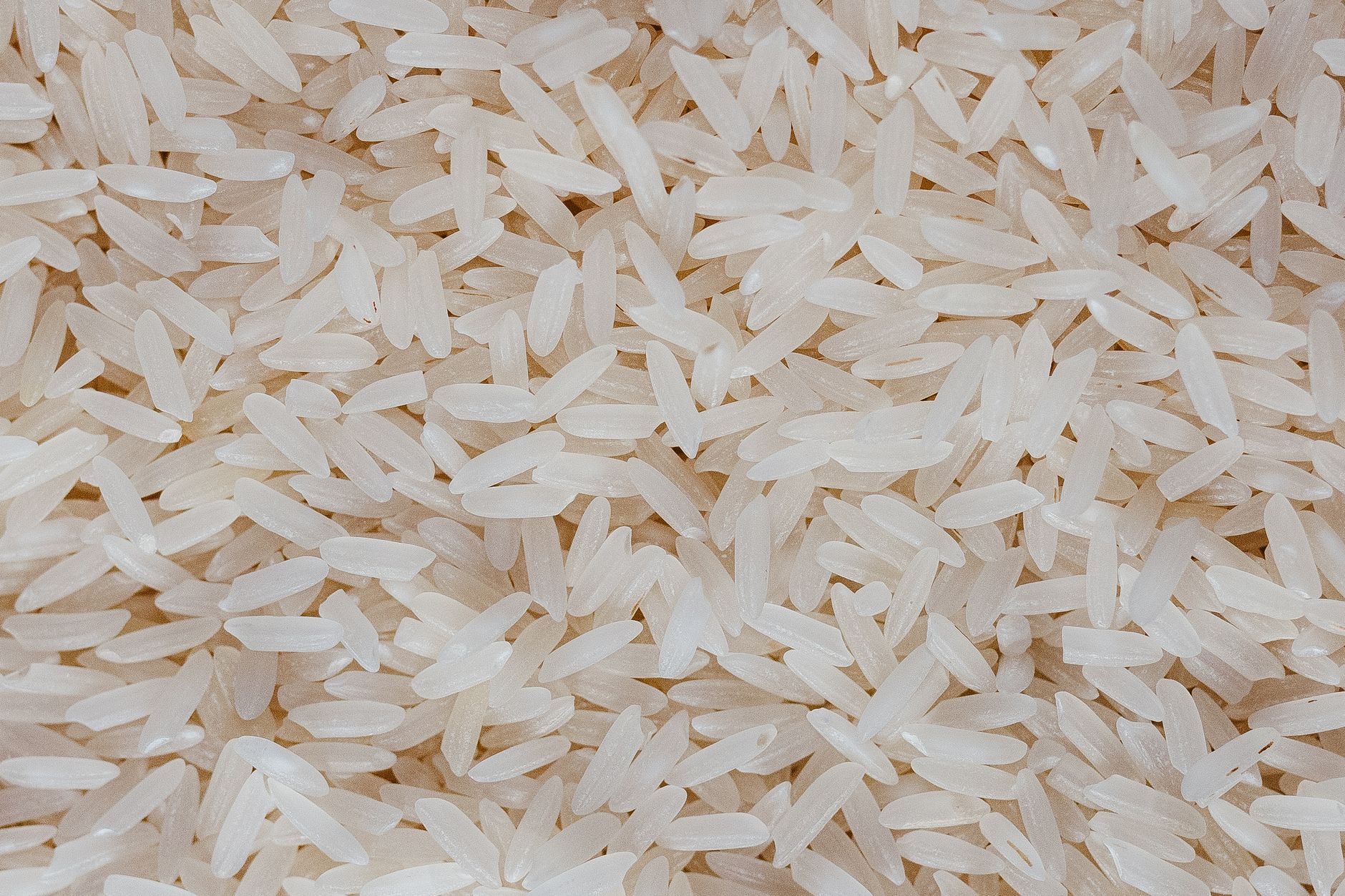
Rinsing rice before cooking has become a standard practice in many kitchens, but what if you skip this step? There are various opinions and traditions surrounding the rinsing of rice, with some cultures advocating for it while others do not. Understanding what happens when you don’t rinse rice can illuminate the cooking process and ultimately enhance your culinary experience.
This article will explore the reasons why you might want to rinse rice, the potential consequences of skipping this step, and some tips for cooking perfect rice regardless of your rinsing preference. Additionally, we’ll offer insights into different types of rice and how rinsing affects them.
What Happens If You Don’t Rinse Rice?
If you don’t rinse rice before cooking, it can result in a stickier texture, clumping, and a less flavorful dish. Rinsing removes excess starch, dirt, and impurities that may be present on the rice’s surface, leading to a fluffier and more evenly cooked grain. Without rinsing, you may end up with a pot of gummy or mushy rice.
Understanding Rice and Its Types
Rice is a staple ingredient in various cuisines around the world. It comes in numerous types, each with unique textures, flavors, and uses. Here are some common types of rice:
- Long Grain Rice: Examples include Basmati and Jasmine rice. These grains remain separate when cooked, making them ideal for pilafs and stir-fries.
- Medium Grain Rice: This type includes Arborio rice, often used in risotto. Medium grain rice tends to be slightly stickier than long grain.
- Short Grain Rice: Known for its plump, round shape, short grain rice (such as sushi rice) becomes sticky when cooked, making it perfect for sushi or rice pudding.
Understanding the characteristics of the rice you are using can help determine whether rinsing is beneficial or necessary.
The Purpose of Rinsing Rice
Rinsing rice serves a few primary purposes that can affect taste, texture, and overall quality:
1. Removing Excess Starch
Rice grains are coated with surface starch, which can become gelatinized during cooking. When you rinse rice, you wash away this excess starch, which can help prevent clumping and result in a lighter, fluffier texture once cooked. Without rinsing, the starch can lead to sticky rice that clumps together.
2. Cleaning the Grains
In addition to starch, rice can contain impurities, such as dust, dirt, or small stones. Rinsing helps ensure that these unwanted elements are removed, resulting in cleaner rice. This is particularly important for rice sold in bulk or from less regulated sources.
3. Enhancing Flavor
While rinsing primarily removes starch and impurities, it can also enhance the overall flavor of the rice. Rinsed rice may cook more evenly and absorb flavors more effectively, leading to a tastier final dish. However, some dishes might benefit from the additional starch, so it depends on the recipe.
What Happens When You Don’t Rinse Different Types of Rice
The necessity of rinsing rice can vary based on the type of rice being used. Here’s a breakdown of what might happen if you skip rinsing for different rice varieties:
Long Grain Rice (e.g., Basmati, Jasmine)
If you don’t rinse long grain rice, you may notice that the grains become stickier than desired, which can be problematic for dishes that benefit from a fluffy texture. The excess starch may cause the rice to clump together, affecting the overall presentation and mouthfeel of the dish.
Medium Grain Rice (e.g., Arborio)
Short Grain Rice (e.g., Sushi Rice)
Generally, short grain rice is rinsed to remove surface starch, ensuring a well-textured outcome. Not rinsing sushi rice, for instance, can result in excessively sticky rice that makes it challenging to work with when preparing sushi.
Common Myths About Rinsing Rice
Several misconceptions surround the rinsing of rice. Understanding these myths can help guide your cooking decisions:
1. Rinsing Removes Nutrients
Some believe that rinsing rice washes away essential nutrients. While it’s true that rinsing can remove some water-soluble vitamins, the majority of the nutrients remain intact. The benefits of rinsing—such as improved texture and flavor—often outweigh the minimal nutrient loss.
2. Rinsing Is Not Necessary for All Rice
While many varieties benefit from rinsing, others do not, particularly products designed specifically for convenience. Pre-cooked and instant rice varieties often do not require rinsing, as they are designed for quick preparation.
3. Rinsing Changes the Flavor
Rinsing rice does not significantly alter the flavor in most cases. Instead, it helps to enhance the overall cooking process and texture. If you prefer a stickier rice for specific dishes, consider the cooking methods and starch content that best suit your needs.
How to Rinse Rice Properly
If you decide to rinse your rice, here’s the best way to do it:
- Measure the Rice: Start by measuring the amount of rice you need for your recipe.
- Use a Sieve or Bowl: Rinse rice using a fine-mesh sieve or bowl to prevent grains from falling through. A bowl is often more practical as it allows for easy rinsing.
- Rinse Under Cold Water: Place the rice in the sieve or bowl, and rinse under cold running water. Use your hand to gently stir the rice, allowing the water to circulate. Do this for about 1-2 minutes or until the water runs clear.
- Drain the Water: If using a sieve, shake it gently to remove excess water. If using a bowl, pour out the cloudy water while keeping the rice in the bowl.
- Proceed to Cook: Your rice is now ready for cooking according to your recipe instructions.
Cooking Rice Without Rinsing
If you choose not to rinse your rice, following a few guidelines can help achieve the best results:
1. Adjust Water Proportions
When cooking unwashed rice, you may need to reduce the amount of water slightly, as the excess starch can create moisture during the cooking process. Start with a ratio of 1 cup of rice to 1.5 cups of water and adjust according to your preference.
2. Stir Gently
When you start cooking rice without rinsing, stir the rice gently to prevent the grains from clumping as they heat up. Avoid excessive stirring, as this can cause the grains to break.
3. Monitor Cooking Time
Cooking times may vary based on the rice type and whether you rinsed it. Keep an eye on your rice, checking for desired doneness. If it seems undercooked, add a little more water and continue cooking.
Troubleshooting Common Rice Cooking Issues
Here are some common issues you might encounter when cooking rice and how to troubleshoot them:
1. Rice is Too Sticky
If your rice turns out too sticky, it may be due to excess starch. For future cooking, try rinsing the rice before cooking to alleviate this issue or using less water.
2. Rice is Undercooked
Undercooked rice can result from insufficient water or cooking time. If this happens, add more water (a little at a time) and continue cooking until the rice is tender.
3. Overcooked Rice
Overcooked rice can become mushy and unappetizing. To prevent this, keep an eye on the cooking time and consider checking the rice periodically for doneness. If you tend to cook rice without rinsing, be especially careful with your water ratios.
How to Use Rinsed vs. Unrinsed Rice in Recipes
Your decision to rinse rice can influence the types of dishes you prepare. Consider how rinsed and unrinsed rice may work in various recipes:
Using Rinsed Rice
- Pilaf: Rinsed long grain rice works well, allowing for fluffy separation of grains.
- Sushi: For sushi rice, rinsing helps create the desired stickiness without being overwhelmingly so.
- Rice Salads: Rinsed rice holds its shape and texture, making it a fantastic base for vegetable and protein-rich salads.
Using Unrinsed Rice
- Risotto: Medium grain rice like Arborio should not be rinsed to maintain its creamy consistency during cooking.
- Casseroles: Unrinsed rice can absorb flavors better, making it a great option for baked rice dishes.
Final Thoughts on Rinsing Rice
Rinsing rice can significantly impact its texture, flavor, and overall quality. While it’s a step worth considering for many types of rice, the necessity may vary based on the recipe and personal preference. If you choose to skip this step, familiarize yourself with each variety and adjust cooking methods accordingly.
Remember that experimenting is key in the kitchen. Testing how rinsing affects the textures and flavors of dishes can lead to better culinary outcomes. Whether you rinse or not is up to you, but understanding its effects will help you make informed decisions for your cooking arsenal.
For more guidance in cooking rice, check out this article on how many cups of water for 1 cup of rice, and learn about Basmati rice’s gluten-free properties to enhance your meal planning.