
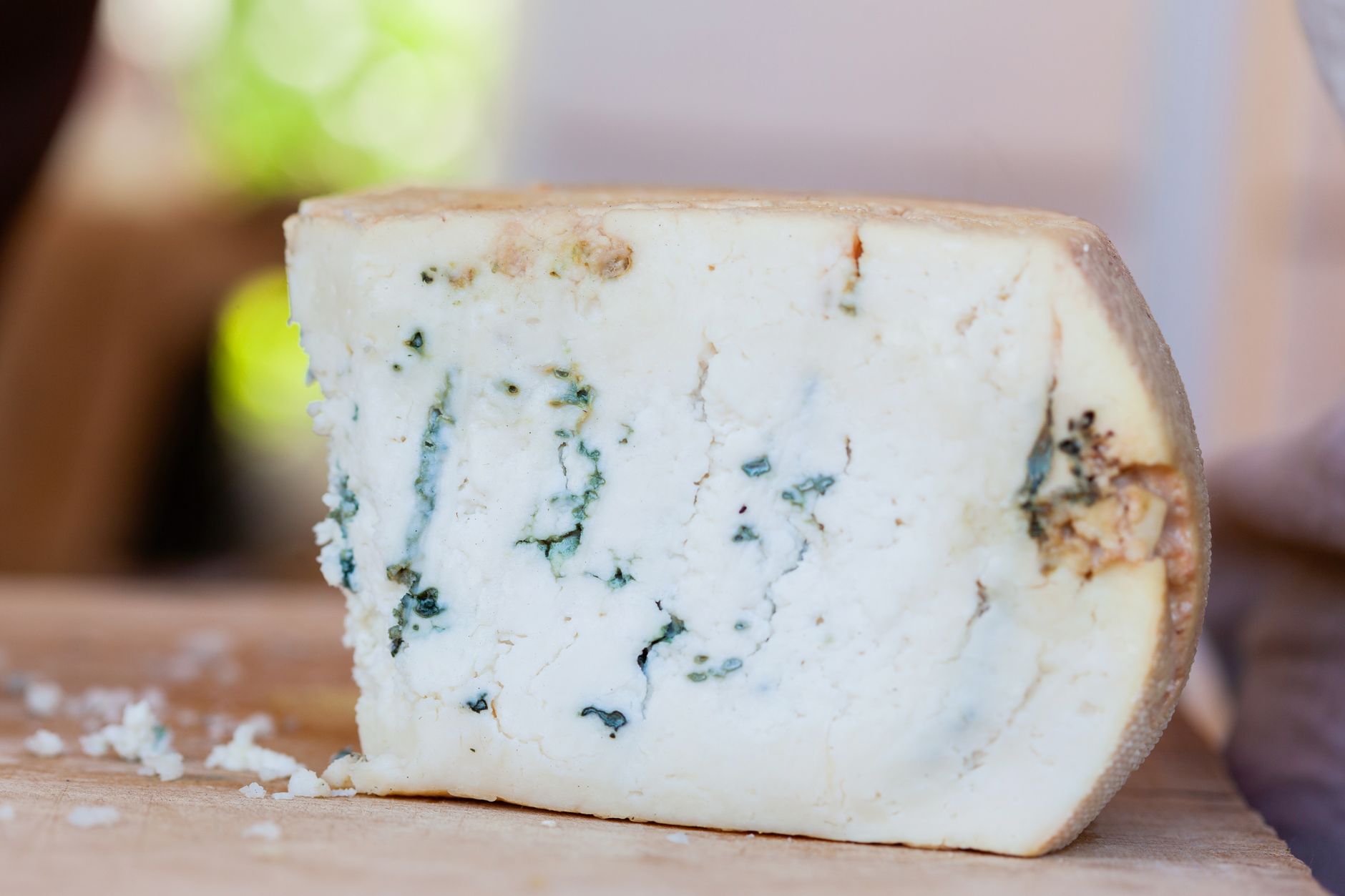
Blue cheese is a unique and flavorful addition to many dishes, known for its distinct blue-green marbling and pungent aroma. It is a type of cheese that is intentionally inoculated with Penicillium mold, giving it its characteristic taste and appearance. In this article, we will explore what blue cheese is made of, including its key ingredients, the types of milk used, how it is produced, and tips for serving.
This guide will cover everything you need to know about blue cheese, from its ingredients to how it can enhance your dishes. Whether you’re a fan of bold flavors or simply curious about this cheese, there’s plenty to discover.
What Is Blue Cheese Made Of?
Blue cheese is primarily made from three key ingredients: milk, Penicillium mold cultures, and salt. The type of milk used can vary, but cow’s milk, sheep’s milk, and goat’s milk are the most common choices. Each type of milk contributes its unique flavor profile to the cheese.
Key Ingredients of Blue Cheese
1. Milk
The foundation of blue cheese is, of course, milk. The choice of milk plays a crucial role in determining the cheese’s flavor, texture, and overall characteristics. Here are the most common types of milk used in blue cheese production:
- Cow’s Milk: This is the most widely used milk for making blue cheese. It produces a creamy texture and a relatively mild flavor.
- Sheep’s Milk: Sheep’s milk blue cheeses tend to be richer and have a stronger flavor. Roquefort is a famous example of sheep’s milk blue cheese.
- Goat’s Milk: Goat’s milk gives blue cheese a tangy and distinctive taste. It often has a crumbly texture in comparison to cow’s or sheep’s milk varieties.
2. Penicillium Mold Cultures
Penicillium Roqueforti is the primary mold used in blue cheese production. This mold is responsible for the blue striations that run through the cheese. The process begins by introducing the mold spores into the milk before the curd formation. As the cheese ages, the mold develops and creates the characteristic blue veins along with a rich, tangy flavor profile.
3. Salt
Salt is vital in cheese making, as it helps with flavor, preservation, and moisture control. It is added during the curd formation process, helping to enhance the overall taste of the blue cheese while inhibiting the growth of unwanted bacteria. The amount of salt can vary significantly among different blue cheese varieties.
The Blue Cheese Production Process
Understanding how blue cheese is made can help appreciate its distinctive flavors and textures. The basic process involves several key steps:
- Milk Preparation: The chosen milk is heated and pasteurized if necessary, killing any unwanted bacteria.
- Culturing: Specific bacterial cultures and Penicillium mold spores are added to the warm milk to initiate the fermentation process.
- Coagulation: Rennet is added to cause the milk to curdle, forming solid curds and liquid whey.
- Curd Treatment: The curds are cut and gently stirred to release whey. Depending on the desired texture and moisture content, the curds may be heated or drained.
- Salting: The curds are salted to enhance flavor and texture before being placed into molds.
- Molding and Pressing: The curds are transferred to molds, pressed to form a solid shape, and left to drain off any excess whey.
- Aging: The cheese is pierced with needles to create airflow, allowing the mold to develop within the cheese as it ages in a controlled environment. The aging process can last from a few weeks to several months.
Types of Blue Cheese
There are many types of blue cheese, each with its own unique characteristics based on the milk used, production methods, and aging processes. Here are some of the most popular varieties:
- Roquefort: A French blue cheese made from sheep’s milk, known for its sharp, tangy flavor and creamy texture.
- Gorgonzola: An Italian blue cheese that is often creamier than Roquefort and can be either milder or more pungent, depending on its aging time.
- Stilton: A famous English blue cheese with a crumbly texture, it has a rich, nutty flavor that varies with its aging.
- Bleu d’Auvergne: This French blue cheese is made from cow’s milk and has a softer texture with a gentle, milky flavor.
Flavor and Texture of Blue Cheese
The flavor and texture of blue cheese can vary widely depending on the type and production methods. In general, blue cheese is known for its:
- Bold Flavor: The sharpness of the blue mold combines with the creaminess of the cheese, providing a complex and intense taste experience.
- Creamy Texture: Many blue cheeses have a creamy mouthfeel, though some varieties are more crumbly and firm.
- Salty Undertones: The salt used in the production process enhances flavors and adds a savory aspect to the cheese.
How to Serve Blue Cheese
Blue cheese is versatile and can be enjoyed in various ways. Here are some ideas on how to serve it:
Pairings
- Fruits: Pair blue cheese with sweet fruits like pears, figs, or grapes to balance its sharpness.
- Nuts: Walnuts and pecans work well with blue cheese, adding richness and crunch.
- Honey: A drizzle of honey can elevate the flavor, providing sweetness that complements the tangy cheese.
- Charcuterie: Incorporate blue cheese into a charcuterie board for a well-rounded selection of flavors.
In Salads
Blue cheese crumbles can enhance salads, adding depth and richness. Consider pairing it with mixed greens, roasted beets, and a balsamic vinaigrette for a delicious contrast of flavors.
On Meats
Blue cheese pairs excellently with meats. It can be crumbled over grilled steaks, chicken, or added to burgers for a robust flavor boost.
As a Spread
Mash blue cheese with cream cheese or Greek yogurt to create a delightful spread for crackers or artisan breads. This creamy dip works well at parties or gatherings.
Storing Blue Cheese
To enjoy blue cheese at its best, proper storage is essential. Follow these guidelines:
- Refrigeration: Store blue cheese in the refrigerator, wrapped in wax paper or cheese paper. Avoid plastic wrap as it can retain moisture.
- Keeping it Fresh: Place the wrapped cheese in a breathable bag or container to keep it from drying out while allowing it to breathe.
- Consuming within Timeframe: Consume blue cheese within a week or two after opening for optimal freshness. Check for any off odors or mold growth beyond what is typical for blue cheese.
Common Substitutions for Blue Cheese
If you find yourself without blue cheese, here are a few alternatives to consider:
- Gorgonzola: This cheese is a great substitute and shares similar flavors and textures.
- Feta: While firmer and less pungent, feta can lend a salty flavor in salads and dishes where blue cheese is called for.
- Goat Cheese: Fresh goat cheese offers a tangy flavor and creamy texture but lacks the characteristic blue veins.
Common Mistakes When Enjoying Blue Cheese
To fully appreciate blue cheese, avoid these common mistakes:
- Serving Too Cold: Let blue cheese come to room temperature before serving. This enhances its flavor and aroma.
- Pairing Incompatibly: Choose pairings wisely; avoid overly sweet items meant for dessert that can clash with blue cheese’s bold flavor.
- Ignoring Aging Dates: Pay attention to the aging date. Older blue cheeses can have a stronger flavor that may not suit everyone’s palate.
Conclusion
Blue cheese is a sophisticated cheese that adds complexity and flavor to a variety of dishes. Understanding what blue cheese is made of, how it’s produced, and the best ways to serve it can enhance your culinary experiences. Next time you’re looking to add deep, tangy flavors to your meals, consider incorporating blue cheese into your recipes or enjoying it on its own with some delicious pairings.
Explore related recipes like whipped ricotta and delicious desserts such as cottage cheese brownie for more culinary inspiration!