
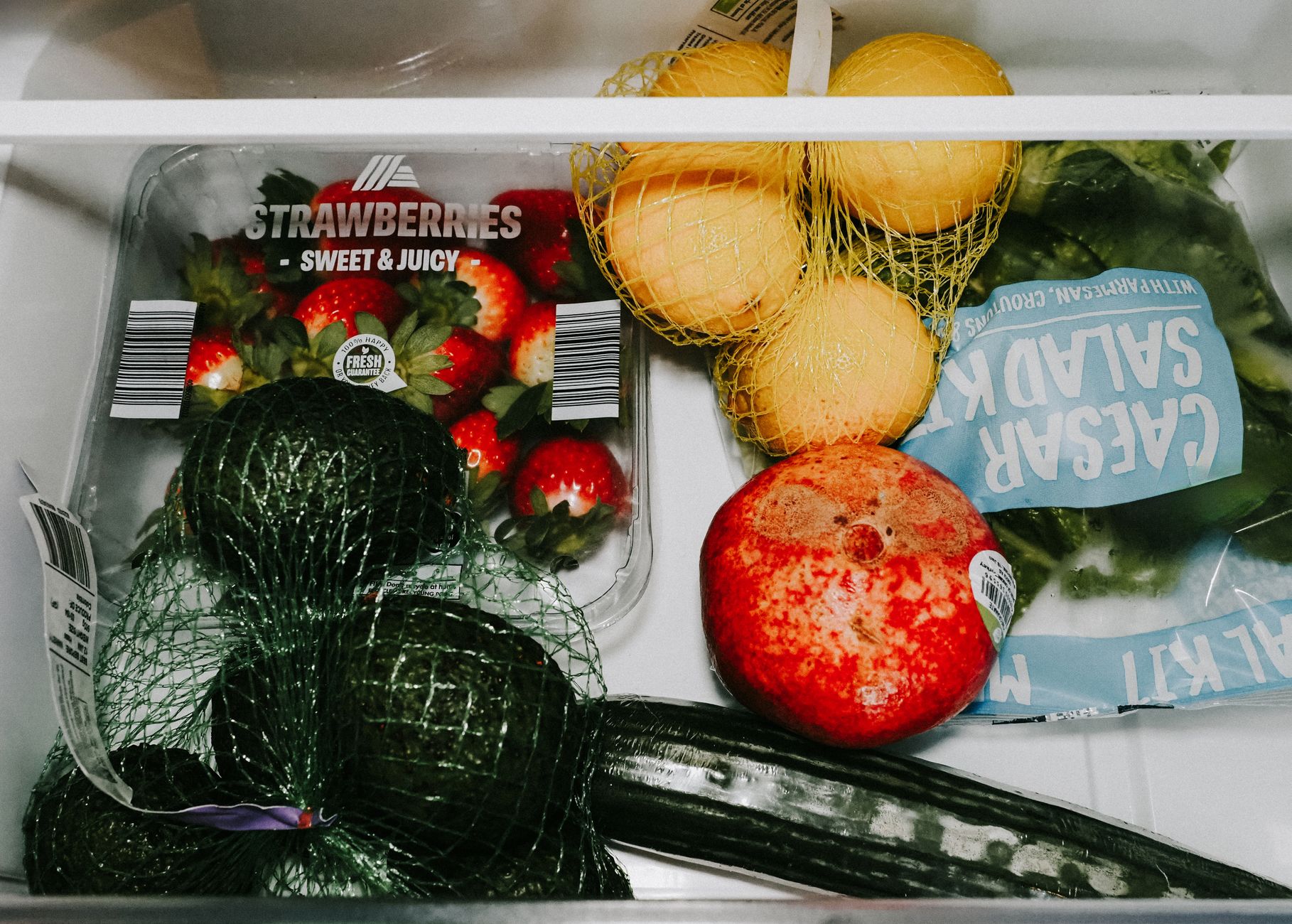
Storing vegetables correctly in the refrigerator can prolong their freshness and preserve their nutritional value. Understanding optimal storage methods ensures that your veggies stay crisp and flavorful until you’re ready to enjoy them. This guide covers various types of vegetables, their ideal storage conditions, and tips for maximizing their shelf life.
By following these guidelines, you’ll not only keep your fridge organized but also reduce food waste, saving both time and money. Let’s dive into the best ways to store different types of vegetables in the fridge.
How Do You Store Vegetables in the Fridge?
To store vegetables effectively in the refrigerator, you should consider the specific needs of each type and use appropriate containers. Some vegetables prefer humidity while others do not. Here are key tips to keep in mind:
Understand the Basics of Vegetable Storage
Before diving into specific vegetables, there are some general storage principles to remember:
- Temperature: Ideal refrigerator temperature for vegetables is typically between 35°F to 40°F (1.6°C to 4.4°C).
- Humidity: Vegetables are best stored at high humidity to reduce moisture loss, except for those that rot easily.
- Containers: Use breathable produce bags, storage containers with ventilation, or crisper drawers if available. Avoid tight plastic bags that trap moisture.
- Separation: Ethylene-producing fruits like apples and bananas can cause some vegetables to spoil faster, so store them separately.
Vegetable-Specific Storage Tips
Now, let’s look into how to store common vegetables, taking their unique needs into account.
Leafy Greens (e.g., Spinach, Kale, Lettuce)
Leafy greens are highly perishable and should be stored to maintain their crispness. Follow these steps:
- Wash lightly if necessary; excess moisture can lead to wilting.
- Wrap them loosely in a damp paper towel and place them in a plastic or perforated bag.
- Store in the crisper drawer for optimal humidity.
Check greens daily for spoilage, removing any browning leaves immediately to prevent spreading.
Bell Peppers
Bell peppers can last a week or longer in the fridge when stored properly:
- Store unwashed peppers in a crisper drawer.
- Avoid plastic bags, as they can trap moisture, leading to rot. Instead, use a mesh bag or a storage container with holes.
Keep an eye out for soft spots, which indicate the need for immediate use.
Carrots
Carrots can last several weeks when stored correctly and can be enjoyed raw or cooked:
- Remove green tops, as they draw moisture from the carrots.
- Store carrots in the vegetable crisper, either wrapped in a damp cloth or in an airtight container to maintain moisture without allowing too much ethylene exposure.
- Change the cloth periodically if it dries out.
Broccoli and Cauliflower
These cruciferous vegetables are excellent sources of nutrition but can spoil quickly if not stored properly:
- Do not wash them before storage; moisture promotes decay.
- Wrap in a damp paper towel and place in a perforated plastic bag or an open container.
- Store in the crisper drawer to maintain humidity.
Consume within a week for optimal freshness.
Zucchini and Cucumbers
These summer vegetables require a bit of finesse for storage:
- Keep zucchini and cucumbers whole without washing until you’re ready to use them.
- Place them in a breathable bag in the crisper drawer.
Use them within a week to enjoy their best texture.
Tomatoes
While commonly thought of as vegetables, tomatoes are technically fruits and require special handling:
- Store unripe tomatoes at room temperature to allow them to ripen. Once ripe, if they are not consumed right away, place them in the refrigerator.
- For storage, keep them in a single layer to prevent bruising.
Using them promptly after refrigeration will yield the best flavor.
Onions
The storage of onions can affect their overall shelf life:
- Store whole onions in a cool, dry place outside the fridge.
- If cut, wrap in plastic wrap and place in an airtight container in the refrigerator, where they can last about 7 to 10 days.
Avoid storing onions near potatoes, which can cause spoilage in both due to ethylene production.
Garlic
For optimal garlic storage:
- Whole bulbs can be kept in a cool, well-ventilated place outside the refrigerator.
- Once the bulb is broken, wrap individual cloves in a paper towel and place them in a plastic bag in the fridge.
Garlic can sprout in the fridge; these sprouts can be removed before use.
Beans (Green, Wax, or Snap)
Fresh beans have a short storage life and should be cared for judiciously:
- Do not wash them before storage to avoid moisture.
- Keep fresh beans in a paper bag or breathable container in the crisper drawer.
- Consume within a week for peak freshness.
Root Vegetables (e.g., Potatoes, Sweet Potatoes)
While potatoes are often stored at room temperature, sweet potatoes can handle refrigeration:
- Store potatoes in a paper sack or basket in a cool, dark place. Avoid the fridge unless they are cooked.
- Sweet potatoes can rot in the fridge for an extended period but should be stored in a cool, dry place.
Use potatoes within a month if stored properly; discard any soft or green spots.
Radishes
To keep radishes crisp:
- Remove the tops as they draw moisture away.
- Store radishes unwashed in a container with holes or in a damp cloth inside a plastic bag.
They can remain fresh for up to two weeks this way.
General Tips for Storing Vegetables
In addition to specific storage methods, here are some general tips for maintaining freshness and quality:
- Regular Checks: Inspect vegetables regularly for any signs of spoilage and remove affected items immediately.
- FIFO Method: Use the “First In, First Out” method to ensure older vegetables get used first. Place new purchases behind older ones.
- Cooling Before Storing: Allow hot vegetables to cool before refrigerating to prevent condensation and moisture buildup.
- Use Paper Towels: Keeping a paper towel in the container can absorb excess moisture and prevent sogginess.
Common Mistakes in Vegetable Storage
Even the best-intended storage methods can go awry. Here are some common mistakes to avoid:
- Using airtight bags or containers: While it seems helpful, doing so can trap moisture and accelerate decay.
- Storing vegetables with fruits: Mixing ethylene-producing fruits with vegetables can lead to premature ripening and spoilage.
- Washing vegetables before storing: Unless required, many vegetables should not be washed before refrigeration, as moisture can promote rotting.
- Ignoring the crisper drawer: The crisper drawer is designed for humidity control, maximizing vegetable lifespan. Use it for leafy greens and other moisture-sensitive items.
Conclusion and Next Steps
Properly storing vegetables in the refrigerator helps maintain their freshness, texture, and flavor while minimizing waste. By tailoring your storage methods to each type of vegetable, you can enjoy a healthier diet and make the most of your grocery budget.
For more insights on ingredient storage and preparation techniques, consider exploring the shelf life of beans in the fridge and ideal cooking methods for fresh green beans.
Visit how long do beans last in the fridge or check out how long to cook fresh green beans for additional tips and ideas.