
Italian seasoning is a blend of herbs that captures the essence of Italian cuisine, making it a versatile addition to any kitchen. It infuses dishes with freshness and flavor, making it a staple for many home cooks. In this guide, we will explore the common ingredients that go into Italian seasoning, their individual flavors, and how to use them effectively in your cooking.
Understanding what goes into Italian seasoning can enhance your culinary skills, allowing you to adjust flavors to better suit your preferences. Whether you’re preparing a pasta dish, roasting vegetables, or concocting a homemade pizza, having knowledge of the key ingredients in Italian seasoning can broaden your cooking repertoire and bring a taste of Italy into your kitchen.
What Goes Into Italian Seasoning?
Italian seasoning typically consists of dried herbs that are commonly associated with Italian cooking. The base ingredients include:
- Oregano
- Basil
- Thyme
- Rosemary
- Marjoram
- Sage
- Parsley
- Crushed red pepper flakes (optional for heat)
Each herb contributes its unique flavor profile to the blend, allowing it to complement various dishes. Let’s look closer at these herbs and their roles in Italian seasoning.
The Individual Ingredients Explained
Oregano
Oregano is perhaps the most dominant herb in Italian seasoning. It has a warm, aromatic flavor that pairs well with tomato-based dishes and grilled meats. The flavor is robust, making it a perfect match for sauces, marinades, and roasts.
Basil
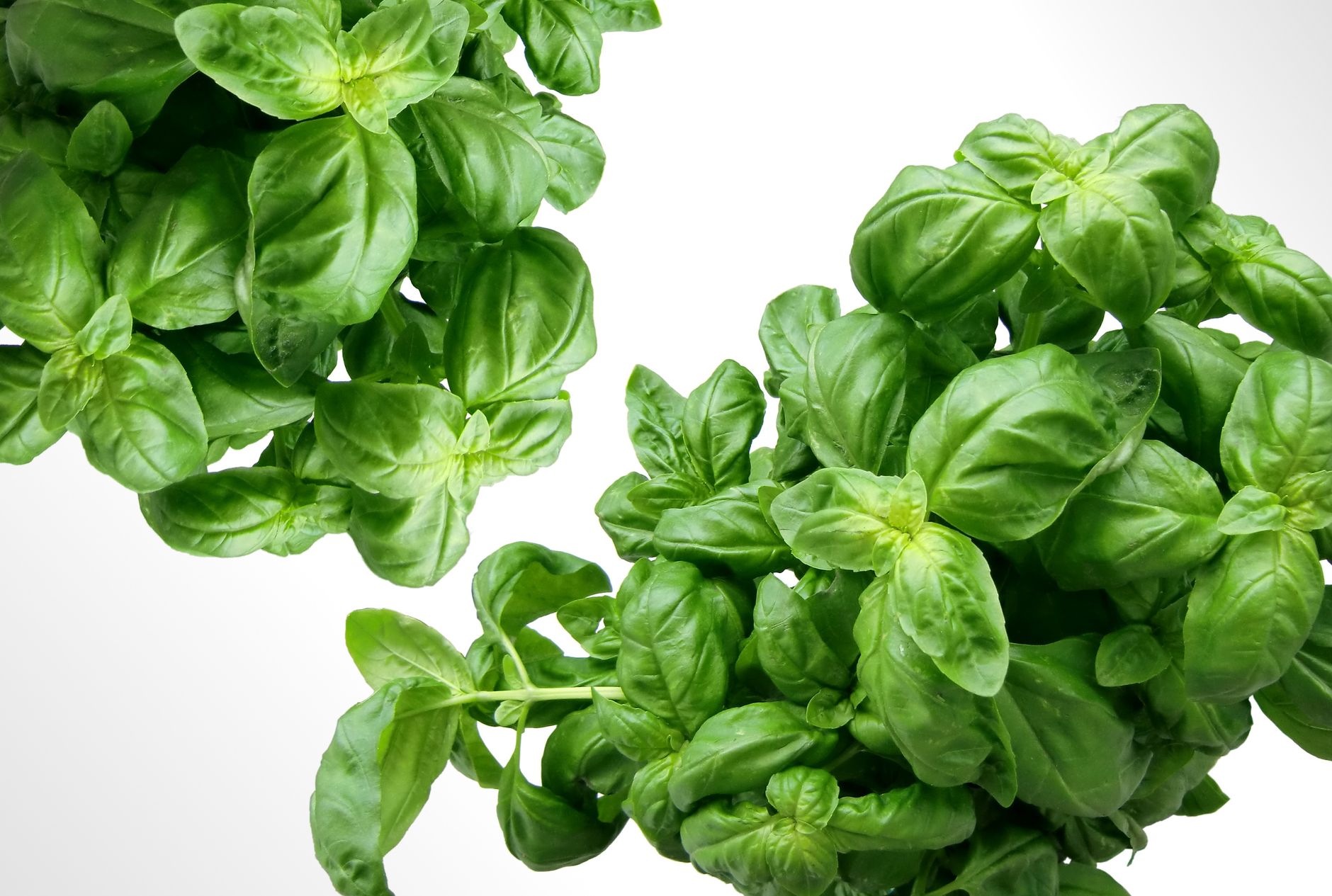
Basil adds a sweet and slightly peppery flavor to the mix. It is a versatile herb that works well with vegetables, pasta, and pesto. Its fragrant leaves offer a fresh taste that enhances the overall flavor of a dish.
Thyme
Thyme has a subtle earthiness that complements both savory and sweet dishes. In Italian cooking, it is typically used with roasted meats, soups, and stews. Its flavor is gentle yet distinct, providing depth without overpowering other ingredients.
Rosemary
This herb features a strong, pine-like aroma and a slightly bitter flavor. Rosemary pairs exceptionally well with lamb, chicken, and roasted vegetables. Its intense flavor can dominate, so a little goes a long way.
Marjoram
Marjoram has a milder flavor compared to oregano, with a hint of sweetness and citrus. It’s often used in sausages, broth, and salad dishes. Its delicate profile complements other herbs well, often making it a balancing agent in the blend.
Sage
Sage brings a savory, somewhat peppery flavor to the mix. It is often used in rich dishes like stuffing and sauces. Sage’s strong flavor works well in hearty fall and winter dishes, making it a warm addition to Italian seasoning.
Parsley
Though often used fresh, dried parsley adds a mild taste and a splash of color to Italian seasoning. It’s not as impactful as other herbs but helps to brighten the overall flavor profile, making it an excellent addition to a variety of dishes.
Crushed Red Pepper Flakes (optional)
If you prefer a bit of heat, crushed red pepper flakes can be an exciting addition to Italian seasoning. They elevate the flavor with a spicy kick that pairs well with tomato sauce and pizzas, allowing you to adjust the heat level to your liking.
Making Your Own Italian Seasoning
Creating homemade Italian seasoning allows for customization based on your preferences. Here’s a simple recipe to make your own blend:
Ingredients
- 2 tablespoons dried oregano
- 2 tablespoons dried basil
- 2 tablespoons dried thyme
- 1 tablespoon dried rosemary (crushed)
- 1 tablespoon dried marjoram
- 1 tablespoon dried sage
- 1 tablespoon dried parsley
- 1 teaspoon crushed red pepper flakes (optional)
Instructions
- In a small bowl, mix all the dried herbs and crushed red pepper flakes, if using.
- Transfer the mixture to an airtight container, such as a glass jar.
- Store in a cool, dark place for up to six months for maximum freshness.
This mixture can be adjusted according to personal taste. Feel free to add more of your favorite herbs or adjust quantities to suit your palate.
Using Italian Seasoning in Cooking
Italian seasoning can be used in a multitude of ways, making it a versatile addition to any dish. Here are some practical applications:
Pasta Dishes
When preparing pasta, add Italian seasoning to your sauces. Whether you’re making a marinara, Alfredo, or pesto, this seasoning can enhance the flavor. Use it while the sauce simmers to allow the herbs to release their oils and aromas.
Meat and Poultry
Rub Italian seasoning onto chicken, turkey, or pork before grilling or roasting. This adds flavor directly to the meat. For added tenderness, combine the seasoning with olive oil or vinegar to create a marinade.
Vegetable Dishes
Sprinkle Italian seasoning over roasted vegetables before cooking to infuse them with flavor. Root vegetables, in particular, benefit from the savory notes of this herb blend.
Soups and Stews
Italian seasoning can enhance the flavor profile of soups and stews. Add it during cooking to deepen the complexity of flavors. It works wonderfully in minestrone or vegetable broth.
Pizzas and Flatbreads
Add Italian seasoning to homemade pizza sauce or sprinkle it on top of your pizzas before baking. The combination of herbs with the cheese and toppings enhances the overall taste, reminiscent of authentic Italian pizzas.
Salads and Dressings
Incorporate Italian seasoning into homemade vinaigrettes. Whisk it into olive oil and vinegar with a touch of garlic for a refreshing salad dressing that gives a hint of Italian flair to your greens.
Practical Tips for Cooking with Italian Seasoning
Using Italian seasoning can elevate your dishes, but here are some tips to ensure optimal flavor:
- Start small: Dried herbs are more potent than fresh, so begin with a small amount (1 teaspoon) and adjust to taste as you cook.
- Add early in the process: For deeper flavor, add your seasoning early in cooking to allow its oils to release. If used in a salad or dish meant to be served fresh, sprinkle it on just before serving.
- Combine with fresh herbs: If you have fresh herbs on hand, don’t hesitate to mix them with dried herbs for a more vibrant flavor.
- Consider the dish’s cook time: If cooking longer (like in slow cookers), add less; for quicker dishes, you can afford to add more.
Experimentation is key. Adjust the quantities based on your personal taste preferences.
Common Mistakes When Using Italian Seasoning
While cooking with Italian seasoning can enhance your meals, there are pitfalls to avoid:
- Overusing: Dried herbs can quickly overpower a dish. Always taste as you go to avoid adding too much.
- Adding to cold dishes: Dried herbs are best released with heat. Adding them to cold salads or dressings won’t yield the same aromatic results.
- Ignoring freshness: Dried herbs lose potency over time. If your seasoning lacks flavor, consider refreshing it every six months.
Storing Italian Seasoning
Proper storage of your Italian seasoning is essential to maintain its freshness and flavor. Here are some vital storage tips:
- Store in a cool, dark place: Exposure to light and heat can degrade the potency of dried herbs. A kitchen cabinet works well.
- Airtight container: Use glass or ceramic jars with tight-sealing lids to prevent moisture and air from spoiling the herbs.
- Label: If creating your blends, label them with the date of creation to track freshness.
Practical Substitutes for Italian Seasoning
If you find yourself without Italian seasoning, consider these substitutes:
- Herbs de Provence: This French blend often contains many of the same herbs and can serve as a suitable alternative.
- Individual dried herbs: If you don’t have all the ingredients for Italian seasoning, consider using oregano and basil alone for a simplified blend.
- Homemade blend: Combine equal parts of oregano, basil, and thyme as an impromptu Italian seasoning.
Understand that while these substitutes may approximate the flavor, they may not match exactly, so adjust according to taste.
Conclusion
The richness of Italian cuisine can be easily emulated with the right mix of herbs found in Italian seasoning. By understanding the individual components, making your blends, and knowing how to use them effectively, you can enhance a variety of dishes in your kitchen. Consider experimenting with different combinations to find what best suits your taste and makes your Italian-inspired dishes come alive.
For more delicious recipes and cooking tips, explore our guides on chicken fajita seasoning and classic Italian meringue.