
Understanding potassium-rich fruits and vegetables can help you enhance your diet with essential nutrients. Potassium plays a crucial role in maintaining blood pressure, helping muscles function, and supporting heart health. In this article, we’ll explore which fruits and vegetables are the richest in potassium and how you can incorporate them into your meals.
From delicious bananas to leafy greens, the world is filled with potassium-packed options. With so many delicious ways to enjoy these foods, you’ll be excited to add them to your daily intake. Let’s dive into what fruits and vegetables have the most potassium.
What Fruit or Vegetable Has the Most Potassium?
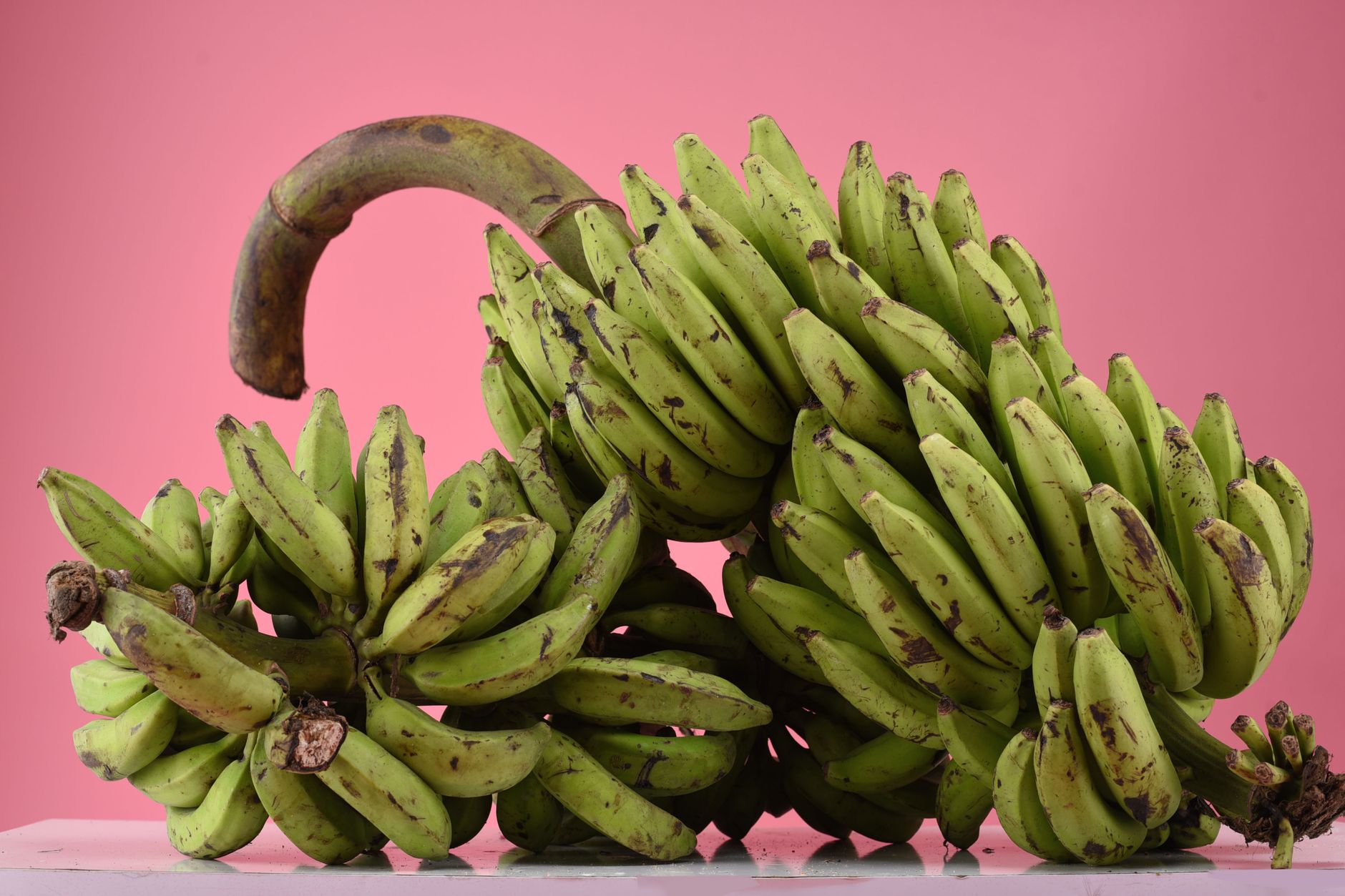
The fruit with the highest potassium content is the banana, with an average banana containing about 422 mg of potassium. Among vegetables, sweet potatoes are a standout, providing approximately 540 mg per medium-sized potato. Both foods offer excellent sources of potassium, which is vital for numerous bodily functions.
The Importance of Potassium
Potassium is a mineral and an electrolyte essential for many bodily processes, including nerve function, muscle contraction, and maintaining fluid balance. Adequate potassium intake can help counteract the effects of sodium in the diet, thus contributing to better heart health and blood pressure regulation. In addition, potassium helps prevent cramping during exercise and aids in recovery afterwards.
Top Fruits Highest in Potassium
Fruits are generally rich in potassium while also providing other essential vitamins and minerals. Here’s a list of some potassium-rich fruits:
- Bananas: A medium banana contains about 422 mg of potassium.
- Avocados: One medium avocado offers around 975 mg of potassium.
- Oranges: One medium orange contains approximately 237 mg of potassium.
- Cantaloupe: One cup of cantaloupe has about 427 mg of potassium.
- Kiwi: One medium kiwi contains around 215 mg of potassium.
- Apricots: Four dried apricots provide about 330 mg of potassium.
- Prunes: A half-cup of prunes contains around 707 mg of potassium.
Top Vegetables Highest in Potassium
Vegetables are an excellent source of potassium, with many offering additional health benefits, such as fiber and antioxidants. Here’s a look at the top vegetables high in potassium:
- Sweet Potatoes: One medium sweet potato contains about 540 mg of potassium.
- Spinach: One cup of boiled spinach provides approximately 839 mg of potassium.
- Swiss Chard: One cup of boiled Swiss chard contains around 961 mg of potassium.
- White Beans: One cup of cooked white beans offers about 1,189 mg of potassium.
- Tomato Sauce: One cup of tomato sauce has approximately 728 mg of potassium.
- Mushrooms: One cup of cooked mushrooms contains about 305 mg of potassium.
- Beet Greens: One cup of cooked beet greens provides approximately 1,300 mg of potassium.
How to Incorporate Potassium-Rich Foods in Your Diet
Incorporating potassium-rich fruits and vegetables into your diet doesn’t have to be complex. Here are some practical ways to enjoy these nutritious foods:
- Morning Smoothies: Blend bananas, spinach, and avocados for a potassium-rich breakfast smoothie.
- Snack on Fruits: Keep snacks simple by enjoying fresh fruits like apricots, oranges, or prunes.
- Vegetable Soups: Make hearty soups using sweet potatoes, tomatoes, and beans for a potassium boost.
- Salads: Toss spinach, mushrooms, and avocado in a salad for a nutritious and delicious side dish.
- Roasted Vegetables: Roast sweet potatoes and beet greens drizzled with olive oil for a savory side.
Potassium-Rich Recipes
Here are a few easy recipes that emphasize potassium-rich ingredients:
Potassium-Packed Smoothie
This smoothie is a delicious way to start your day and boost your potassium intake.
- Ingredients:
- 1 medium banana
- 1/2 ripe avocado
- 1 cup spinach
- 1 cup almond milk (or any milk of choice)
- 1 tablespoon honey (optional)
Instructions:
- Add all ingredients to a blender.
- Blend until smooth.
- Taste and adjust sweetness with honey if desired.
- Pour into a glass and enjoy!
Sweet Potato and Black Bean Chili
This hearty chili combines sweet potatoes and black beans for a potassium-rich meal.
- Ingredients:
- 2 medium sweet potatoes, diced
- 1 can black beans, rinsed and drained
- 1 onion, chopped
- 2 cloves garlic, minced
- 1 can diced tomatoes
- 2 tablespoons chili powder
- 1 teaspoon cumin
- 4 cups vegetable broth
- Salt and pepper to taste
Instructions:
- In a large pot, sauté onion and garlic over medium heat until softened.
- Add sweet potatoes, chili powder, and cumin; cook for 2-3 minutes.
- Stir in black beans, diced tomatoes, and vegetable broth.
- Bring to a boil, reduce heat, and simmer for about 30 minutes or until sweet potatoes are tender.
- Season with salt and pepper to taste.
Potassium-Rich Food Storage Tips
To ensure you’re making the most out of potassium-rich fruits and vegetables, follow these storage tips:
- Store bananas at room temperature; refrigeration may affect their texture.
- To store avocados, keep them at room temperature until ripe, then refrigerate to extend freshness.
- Store sweet potatoes in a cool, dark place to prevent sprouting.
- Refrigerate leafy greens like spinach or Swiss chard in a produce bag to enhance their shelf life.
Common Mistakes to Avoid
While trying to increase your potassium intake, be mindful of these common mistakes:
- Not considering portion sizes: Even potassium-rich fruits and vegetables should be eaten in moderation.
- Ignoring food preservation: Fresh produce can lose nutrients quickly; consume them soon after purchase.
- Relying solely on supplements: It’s best to obtain potassium from whole foods for maximized health benefits.
Potassium and Dietary Restrictions
If you have certain health conditions, such as kidney disease, it’s important to monitor potassium intake closely. Always consult with a healthcare professional or registered dietitian to determine the most appropriate intake levels based on individual health needs.
Conclusion
Adding potassium-rich fruits and vegetables to your diet is not only beneficial for your health but can also enhance the flavor and variety of your meals. By incorporating foods like bananas, sweet potatoes, and leafy greens, you can easily meet your daily potassium needs. Whether in smoothies, salads, or hearty dishes, there’s no shortage of delicious ways to enjoy these nutrient-dense options.
Explore related recipes, cooking tips, or food guides to further enhance your culinary journey. Discover how to prepare tasty lima beans or learn to make flavorful banana bread. Enjoy cooking!