
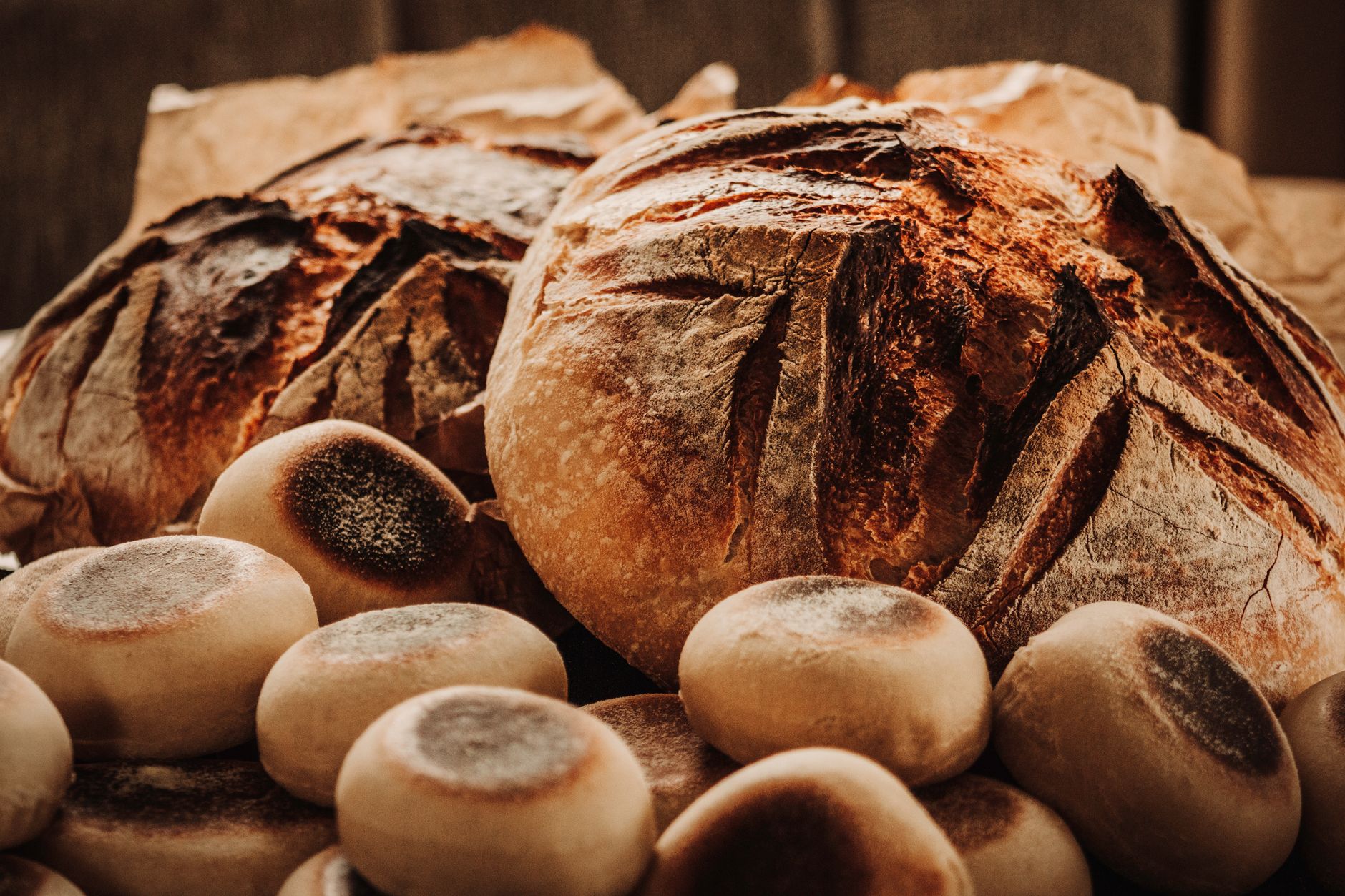
Fresh sourdough bread is beloved for its tangy flavor, chewy texture, and artisanal appeal. Whether you’ve baked a large loaf at home or purchased one from a bakery, knowing how to store and preserve sourdough is essential. This guide answers the question of how long fresh sourdough bread lasts and offers practical storage tips to keep your bread at its best.
Understanding the lifespan of sourdough involves considering several factors, including the temperature, humidity, and the presence of preservatives. Unlike commercially-made bread that often contains additives, fresh sourdough relies mainly on flour, water, salt, and time. Let’s explore the duration of fresh sourdough bread and effective methods for storing it to maintain its quality.
How Long Does Fresh Sourdough Bread Last?
Fresh sourdough bread typically lasts about 2 to 3 days when stored at room temperature. However, the length of time can vary based on storage methods and environmental conditions. When properly stored, sliced sourdough can last for about a week, while freezing can extend its shelf life to several months.
Factors Affecting Sourdough Bread Lifespan
Several key factors impact how long fresh sourdough bread lasts:
- Ingredients: Traditional sourdough bread, made with just flour, water, salt, and natural yeast, tends to spoil faster compared to loaves with preservatives.
- Moisture Content: Higher moisture levels can lead to mold growth, while low moisture can cause the bread to dry out more quickly.
- Storage Environment: Temperature and humidity in your kitchen can affect the freshness of sourdough. Warmer and more humid environments speed up spoilage.
- Whole Grains vs. Refined Flour: Sourdough bread made from whole grains may spoil faster due to the natural oils in the grains.
How to Store Fresh Sourdough Bread
The way you store your sourdough bread significantly affects its shelf life. Here are several storage methods to consider:
Room Temperature Storage
When storing sourdough bread at room temperature, follow these steps:
- Place the bread in a paper bag or wrap it in a clean kitchen towel. Avoid using plastic, as it traps moisture and promotes mold growth.
- Store the bread in a cool, dark, and dry area away from direct sunlight and heat sources.
- Keep the sourdough bread on a wire rack if possible, as this allows airflow around the bread. Avoid storing it directly in a breadbox which can retain moisture.
Refrigerator Storage
While refrigerating sourdough bread may seem like a good idea, it’s not recommended due to its tendency to dry out faster in the fridge. However, if your kitchen is particularly warm and you can’t consume the bread within a few days, you may opt for this method:
- Wrap the sourdough tightly in plastic wrap or aluminum foil to prevent it from becoming stale.
- Keep the wrapped bread in an airtight container to minimize exposure to air.
Consume the bread within a week if stored in the refrigerator, checking for any signs of staleness or spoilage regularly.
Freezing Sourdough Bread
Freezing is an excellent option for extending the shelf life of sourdough bread. Follow these guidelines to freeze your bread effectively:
- Allow the bread to cool completely after baking before freezing it.
- Wrap the loaf tightly in plastic wrap, ensuring there are no air pockets.
- For added protection, wrap the entire loaf in aluminum foil or place it in a freezer-safe zip-top bag.
- Label the bag with the date of freezing to keep track of storage time.
- Store in the freezer for up to three months to maintain optimal flavor and texture.
Thawing Frozen Sourdough Bread
When you’re ready to enjoy your frozen sourdough, proper thawing methods will help preserve its quality:
- Remove the bread from the freezer and unwrap it.
- Place the bread on the counter or a wire rack until it reaches room temperature, which usually takes 1-2 hours.
- To refresh the crust and improve texture, preheat your oven to 350°F (175°C) and bake the thawed loaf for about 10-15 minutes.
Signs of Stale or Spoiled Sourdough Bread
Recognizing the signs of staleness or spoilage in sourdough is crucial. Here are some things to look for:
- Texture Changes: Stale sourdough becomes hard and dry, making it less enjoyable to eat.
- Odor: Fresh sourdough has a characteristic tangy aroma. If it smells sour or off, it may be spoiled.
- Mold: Any visible mold growth indicates that the bread should be discarded.
- Color Changes: Black or green spots are signs of spoilage.
Use-by Dates vs. Best-by Dates
When shopping for sourdough bread, you may see various labels such as “use by” or “best by.” It’s essential to understand these distinctions:
- Use-by Date: This is the final date recommended for the use of the product while it is at its best quality. It’s not a safety-related date but is good to note for optimal flavor.
- Best-by Date: This indicates when the bread will be at its peak freshness. After this date, the bread may still be safe to eat, but its quality may diminish.
Creative Ways to Use Stale Sourdough Bread
If your sourdough bread has gone stale, don’t discard it! Instead, consider repurposing it into various dishes. Here are some ideas:
- Bread Crumbs: Transform stale bread into breadcrumbs. Simply blend in a food processor and use them for breading or as a topping.
- Croutons: Cut the stale bread into cubes, toss them with olive oil, salt, and seasonings, and bake until crispy.
- French Toast: Stale sourdough is excellent for making French toast, soaking up the egg mixture perfectly.
- Panzanella: Use stale bread in a panzanella salad, mixing it with fresh vegetables and dressing.
Conclusion
In summary, fresh sourdough bread typically lasts 2 to 3 days when stored correctly at room temperature, up to a week in the refrigerator, and several months in the freezer. Taking the right precautions to store your sourdough will help you enjoy its unique flavor and texture for as long as possible. If you find your sourdough going stale, get creative with its uses instead of tossing it out.
For more exploration into food storage and usage, consider checking out how long does cottage cheese last after opening and the benefits of sourdough in your meals.