
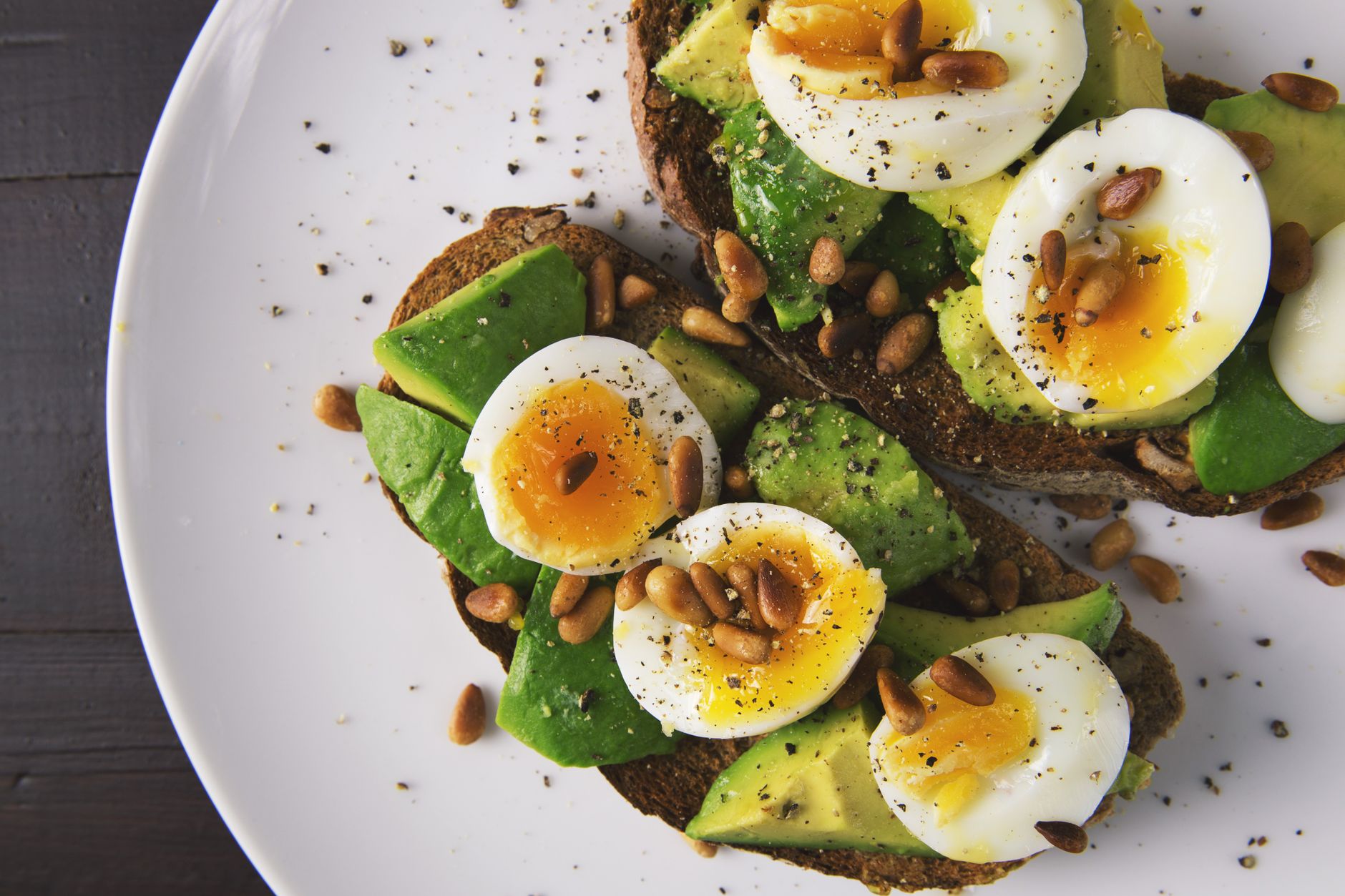
Protein is essential for many bodily functions, from muscle repair to hormone production. Knowing which foods offer the best sources of protein can help you meet your dietary needs effectively. This comprehensive guide will explore various protein-rich foods, detailing their protein content by serving size and explaining their culinary uses.
Protein is found in both animal and plant-based foods, making it accessible for various dietary preferences. Whether you’re an athlete looking to build muscle or just aiming for a balanced diet, understanding which foods pack the most protein can enhance your meal planning effectively.
What Foods Have the Best Protein?
Some of the best sources of protein include meats, dairy, legumes, nuts, seeds, and some grains. Here’s a breakdown of high-protein foods along with their approximate protein amounts per serving size.
Animal-Based Protein Sources
Animal products are generally complete proteins, meaning they contain all nine essential amino acids that the body cannot produce on its own. Here are some of the top animal-based protein sources:
Chicken Breast
Chicken breast is a lean source of protein and widely popular among fitness enthusiasts.
- Protein per 100g: Approximately 31g
Chicken breast can be grilled, baked, or stir-fried. It’s versatile and pairs well with various spices and vegetables.
Turkey
Similar to chicken, turkey is another lean meat rich in protein.
- Protein per 100g: Approximately 29g
Turkey can be roasted, used in sandwiches, or ground for sausages or burgers.
Eggs
Eggs are considered one of the best sources of protein due to their nutrient density.
- Protein per large egg: Approximately 6g
Eggs can be poached, scrambled, or used in various baked goods, providing a rich flavor.
Greek Yogurt
Greek yogurt is thicker than regular yogurt and contains more protein.
- Protein per 200g: Approximately 20g
This dairy product can be used in smoothies, parfaits, or as a base for dressings and sauces.
Fish (Tuna)
Tuna is another excellent protein source and is rich in Omega-3 fatty acids.
- Protein per 100g: Approximately 30g
Tuna can be eaten raw in sushi, grilled, or canned for salads and sandwiches.
Dairy Products
Dairy products are excellent sources of protein, calcium, and other essential nutrients. Here’s a look at some popular options:
Skim Milk
Skim milk is a low-fat option that still offers a good protein punch.
- Protein per cup (240ml): Approximately 8g
Use skim milk in smoothies, cereals, or cooking to enhance the protein content without added fat.
Cottage Cheese
Cottage cheese is a high-protein dairy option that is both versatile and delicious.
- Protein per 100g: Approximately 11g
This can be eaten plain, mixed with fruit, or used in savory pancakes and baked dishes.
Legumes and Pulses
Legumes are great plant-based protein sources rich in fiber. They are an ideal choice for vegetarians and vegans. Here are some notable options:
Lentils
Lentils are not only protein-rich but also very nutritious.
- Protein per cooked cup (230g): Approximately 18g
They can be used in soups, stews, salads, or as a meat substitute in various dishes.
Chickpeas
Chickpeas are versatile and can be used in multiple cuisines.
- Protein per cooked cup (240g): Approximately 15g
Chickpeas can be made into hummus, added to salads, or roasted for a healthy snack.
Black Beans
Black beans are another excellent source of plant-based protein.
- Protein per cooked cup (240g): Approximately 15g
They can be used in burritos, salads, or soups, making them a versatile pantry staple.
Nuts and Seeds
Nuts and seeds are great sources of protein as well as healthy fats. Here are some notable options:
Almonds
Almonds are typically praised for their health benefits and protein content.
- Protein per 100g: Approximately 21g
They can be eaten raw, roasted, or used in various dishes and desserts.
Chia Seeds
Chia seeds are not only rich in protein but also high in Omega-3 fatty acids.
- Protein per 28g (about 1 ounce): Approximately 5g
Use them in smoothies, puddings, or sprinkled over salads for an extra nutritional boost.
Pumpkin Seeds
Pumpkin seeds, also known as pepitas, are a great snack option.
- Protein per 100g: Approximately 30g
They can be roasted and eaten as snacks or added to salads, granola, or trail mixes.
Whole Grains
Whole grains are often overlooked when considering protein sources, but many offer a substantial amount.
Quinoa
Quinoa is known as a superfood and is a complete protein.
- Protein per cooked cup (240g): Approximately 8g
Quinoa can be used in salads, bowls, or as a side dish, offering a nutty flavor and chewy texture.
Brown Rice
Brown rice is another great source of protein among whole grains.
- Protein per cooked cup (240g): Approximately 5g
Use it in various dishes, including stir-fries, salads, and as a base for protein bowls.
Combining Protein Sources
Combining different protein sources can provide a more complete amino acid profile. Here are a few combinations to consider:
- Rice and Beans: Together, they create a complete protein source that is popular in many cuisines.
- Peanut Butter on Whole Wheat Bread: A delicious way to get proteins from grains and legumes.
- Hummus with Pita Bread: This combination offers a healthy and protein-rich snack.
How to Incorporate More Protein Into Your Diet
Increasing your protein intake does not have to be complicated. Here are some practical tips:
- Choose high-protein snacks such as Greek yogurt, hard-boiled eggs, or nuts.
- Add legumes to salads, soups, and stir-fries.
- Incorporate protein powders into smoothies or baked goods.
- Use dairy products like cottage cheese or Greek yogurt in meals and snacks.
- Replace refined grains with whole grains that have higher protein content.
Common Misconceptions About Protein
Several misconceptions about protein can lead to confusion. Addressing these can help you make more informed food choices:
- Not all proteins are created equal: While animal proteins are complete, many plant proteins may lack one or more amino acids. Combining them is essential.
- High protein diets can be bad for your kidneys: Most healthy individuals can safely consume high protein diets. Always consult a healthcare professional if unsure.
- All protein sources are equally healthy: Processed meats can be high in additives and preservatives; focus on whole food sources instead.
Conclusion
Incorporating a variety of protein-rich foods into your diet is essential for maintaining health and wellness. Whether you prefer animal or plant-based options, numerous foods are available to help you achieve your protein goals.
For a delicious way to incorporate protein into your daily diet, consider trying these protein brownies or whipping up a batch of protein cookies for a nutritious treat. Explore different sources and combinations to find the best fit for your lifestyle.