
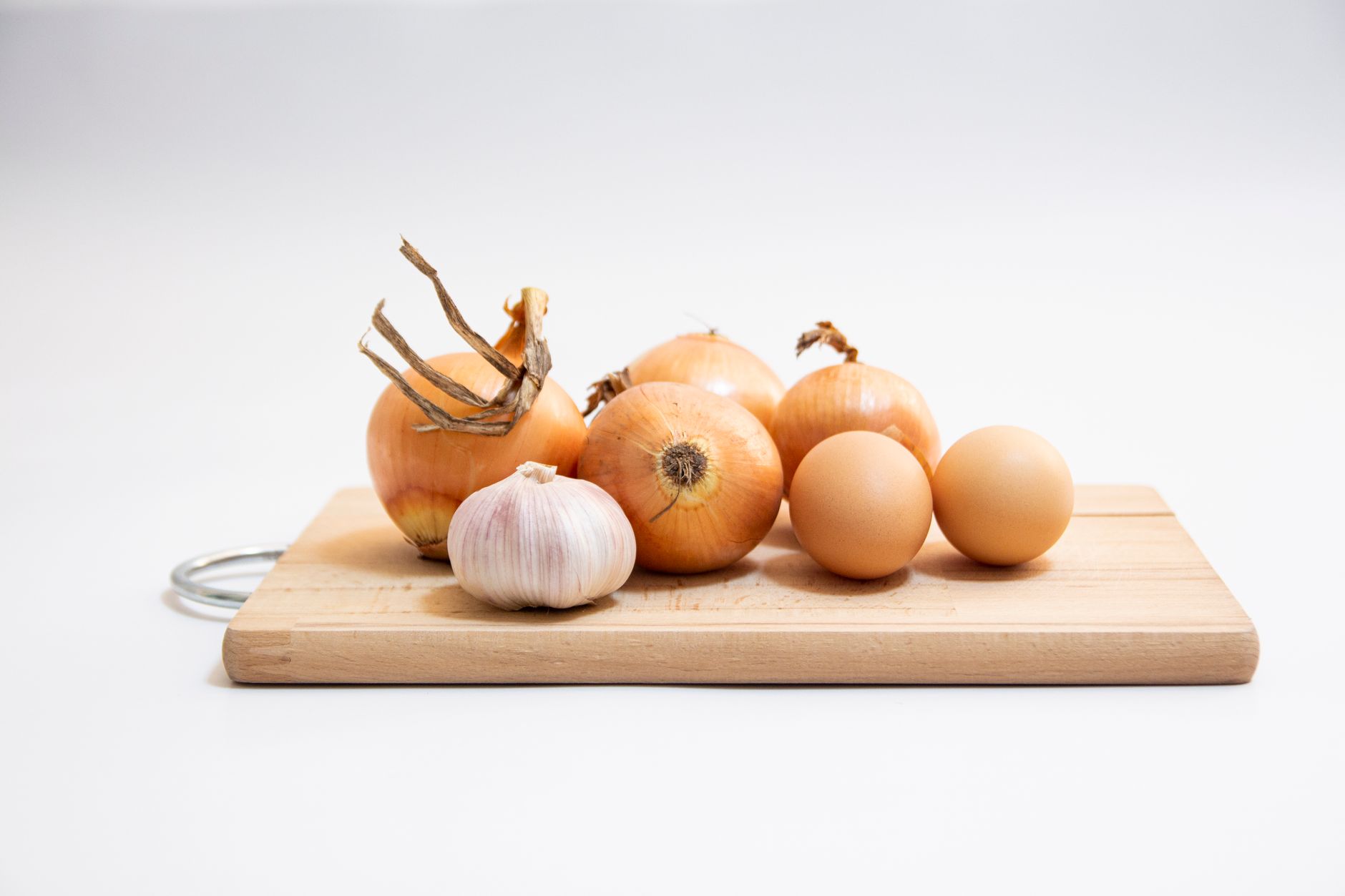
Understanding basic foods is essential for anyone looking to improve their cooking skills or simply navigate daily meal preparation. Basic foods refer to staple ingredients that serve as the foundation for countless recipes, offering flexibility, nutrition, and the opportunity to create a variety of dishes. These foods can be transformed into well-balanced meals, snacks, or comfort foods.
This article will explore what foods are considered basic, their nutritional benefits, culinary uses, and some serving ideas to inspire your next meal. By incorporating these foundational foods into your kitchen, you’ll be better prepared for meal planning, cooking, and enjoying delicious meals any day of the week.
What Foods Are Basic?
Basic foods are often staples that you can find in most kitchens. They include grains, proteins, vegetables, fruits, and fats that are versatile and can be used in numerous recipes. The common examples of basic foods include:
- Grains: rice, pasta, quinoa, and oats
- Proteins: chicken, eggs, beans, and legumes
- Vegetables: carrots, spinach, onions, and potatoes
- Fruits: apples, bananas, berries, and citrus
- Fats: olive oil, butter, and nut butters
These basic foods provide a solid foundation for any home cook, allowing for creativity and variety in daily meals.
Nutritional Benefits of Basic Foods
Each group of basic foods offers unique nutrition profiles that contribute to a balanced diet:
Grains
Grains are an excellent source of carbohydrates, providing energy for daily activities. Whole grains, in particular, also offer dietary fiber, which can improve digestive health.
Proteins
Protein-rich foods are crucial for muscle repair and growth. They can also keep you feeling full and satisfied, which is essential for maintaining a healthy diet.
Vegetables
Vegetables are packed with vitamins, minerals, and antioxidants. Including a variety of colorful vegetables in your meals can enhance overall health and support immune function.
Fruits
Fruits provide essential vitamins and minerals along with fiber. They are natural sources of sweetness and can be used in both savory and sweet dishes.
Fats
Healthy fats, such as those found in olive oil and nuts, are essential for hormone production and brain health. Incorporating healthy fats into your meals can also enhance the absorption of fat-soluble vitamins.
Cooking with Basic Foods
Cooking with basic foods allows for a variety of preparations and techniques. Here are some ideas on how to utilize them effectively:
Grains
Grains can be prepared in many ways, including boiling, sautéing, and baking. Here are some serving ideas:
- Cooked rice can be served as a base for stir-fries or grain bowls.
- Pasta can be tossed with vegetables and a sauce for a quick meal.
- Quinoa can be mixed with beans and spices for a protein-rich salad.
- Oats can be prepared as a hot cereal, baked in bars, or blended into smoothies.
Proteins
Many proteins can be grilled, roasted, or sautéed. Here are some suggestions:
- Chicken can be marinated and grilled and served with a side of vegetables.
- Beans can be used in soups, stews, or salads for added protein and fiber.
- Eggs can be scrambled, poached, or turned into an omelet filled with vegetables.
- Tofu, a plant-based protein, can be stir-fried, grilled, or added to soups.
Vegetables
Vegetables can be enjoyed raw, steamed, roasted, or stir-fried. Here are some practical approaches:
- Carrots can be sliced into sticks for dipping or roasted for added flavor.
- Spinach can be used in salads, omelets, or added to smoothies for nutrition.
- Onions can be caramelized to enhance the flavor of many dishes.
- Potatoes can be baked, mashed, or made into fries.
Fruits
Fruits can be eaten fresh, dried, or cooked into various dishes. Consider these options:
- Bananas can be sliced over cereal or blended into smoothies.
- Apples can be baked with cinnamon for a warm dessert or eaten raw as a snack.
- Berries can be used in salads or as toppings on yogurt or desserts.
- Citrus fruits can be juiced, zested, or used in marinades.
Fats
Healthy fats can enhance the flavor of dishes and contribute to fullness. Here are serving ideas:
- Olive oil can be drizzled over salads or used for sautéing.
- Butter can be spread on toast or melted over vegetables.
- Nut butters are great for spreading on fruits or incorporated into smoothies.
How to Incorporate Basic Foods into Meal Planning
Meal planning with basic foods can save time, reduce stress, and promote healthy eating. Here are some tips for effective meal planning:
Creating a Balanced Weekly Menu
Include a variety of basic foods in your weekly menu to ensure that you are meeting your nutritional needs. Use the following structure as a guideline:
- Plan Your Proteins: Choose a protein for each day of the week, such as chicken, beans, or tofu.
- Select Grains: Decide on a grain option to pair with each protein (e.g., rice, quinoa, or pasta).
- Incorporate Vegetables: Aim for at least one serving of vegetables with each meal, such as a side salad or sautéed greens.
- Add Fruits: Include fruits as snacks or desserts throughout the week.
- Use Healthy Fats: Incorporate healthy fats in dressings, cooking methods, or as accompaniments.
Batch Cooking
Batch cooking is an excellent way to save time and ensure you have basic foods on hand for quick meals. Here are steps to consider:
- Choose Your Dishes: Select a few staple dishes to batch cook, such as soups, stews, or casseroles.
- Prepare in Bulk: Cook larger quantities, then portion them into containers for easy access during the week.
- Store Properly: Use airtight containers and label them with dates to ensure freshness.
Creating Shopping Lists
When shopping for basic foods, stick to a list to avoid impulse buys. Here are some great tips:
- Keep a running list of items you frequently use in your meals.
- Organize the list by grocery store sections for efficient shopping.
- Stock up on staples like grains and canned goods when on sale.
Practical Substitutions for Basic Foods
Sometimes, you may find yourself in need of a substitution for a basic ingredient. Here’s a helpful list of common substitutions:
Grains
- Quinoa can substitute for rice in salads or side dishes.
- Spaghetti can be replaced with whole wheat pasta or gluten-free options.
- Brown rice can be swapped with barley for a texture change.
Proteins
- Chicken can be substituted with turkey or firm tofu for a vegetarian option.
- Beans can replace meat in chili or burritos for added plant protein.
- Greek yogurt can be used instead of sour cream in recipes.
Vegetables
- Spinach can be replaced with kale or Swiss chard in salads and smoothies.
- Broccoli can substitute green beans in stir-fries.
- Zucchini can replace pasta as a low-carb alternative.
Fruits
- Fresh berries can be swapped for apples in baked goods or oatmeal.
- A lemon can substitute lime juice in marinades or dressings.
- Pineapple can replace peaches in fruit salads or desserts.
Common Mistakes When Cooking with Basic Foods
Even seasoned cooks can make mistakes with basic foods. Here are some common pitfalls and how to avoid them:
Miscalculating Cooking Times
Cooking times can vary significantly based on the preparation method. Always check doneness visually or use a food thermometer, especially with proteins.
Neglecting Flavor Combinations
Basic foods can be enhanced with the right spices and herbs. Don’t shy away from experimenting with flavors to elevate simple dishes.
Overcooking Vegetables
Vegetables can lose their nutrients and flavor when overcooked. Aim for bright colors and tender-crisp texture, especially when steaming or sautéing.
Storing Basic Foods for Longevity
Proper food storage extends the shelf life of your basic foods. Consider the following guidelines:
Grains
Store grains in a cool, dry place in airtight containers to keep them fresh and free from pests.
Proteins
Fresh proteins should be stored in the refrigerator and used before their expiration dates. Cooked proteins can be refrigerated for three to four days or frozen for longer storage.
Vegetables
Store vegetables in the refrigerator’s crisper drawer to maintain freshness. Some root vegetables, like potatoes, should be kept in a cool, dark place.
Fruits
Store fruits at room temperature until ripe, then refrigerate them to prolong freshness, especially for berries and bananas.
Fats
Keep oils away from light and heat, which can cause them to spoil. Nut butters should be stored in a cool place, and once opened, should be refrigerated.
Conclusion
Basic foods are fundamental components of any kitchen, enabling quick, nutritious, and satisfying meals. By understanding these staples and incorporating them into your meal plans, cooking becomes an enjoyable experience. Explore the possibilities with grains, proteins, vegetables, fruits, and fats in your cooking adventures.
If you’d like to learn more about related cooking insights, check out our guides on the difference between bleached and unbleached flour at the difference between bleached and unbleached flour and what pasta is made of at what pasta is made of. Happy cooking!