
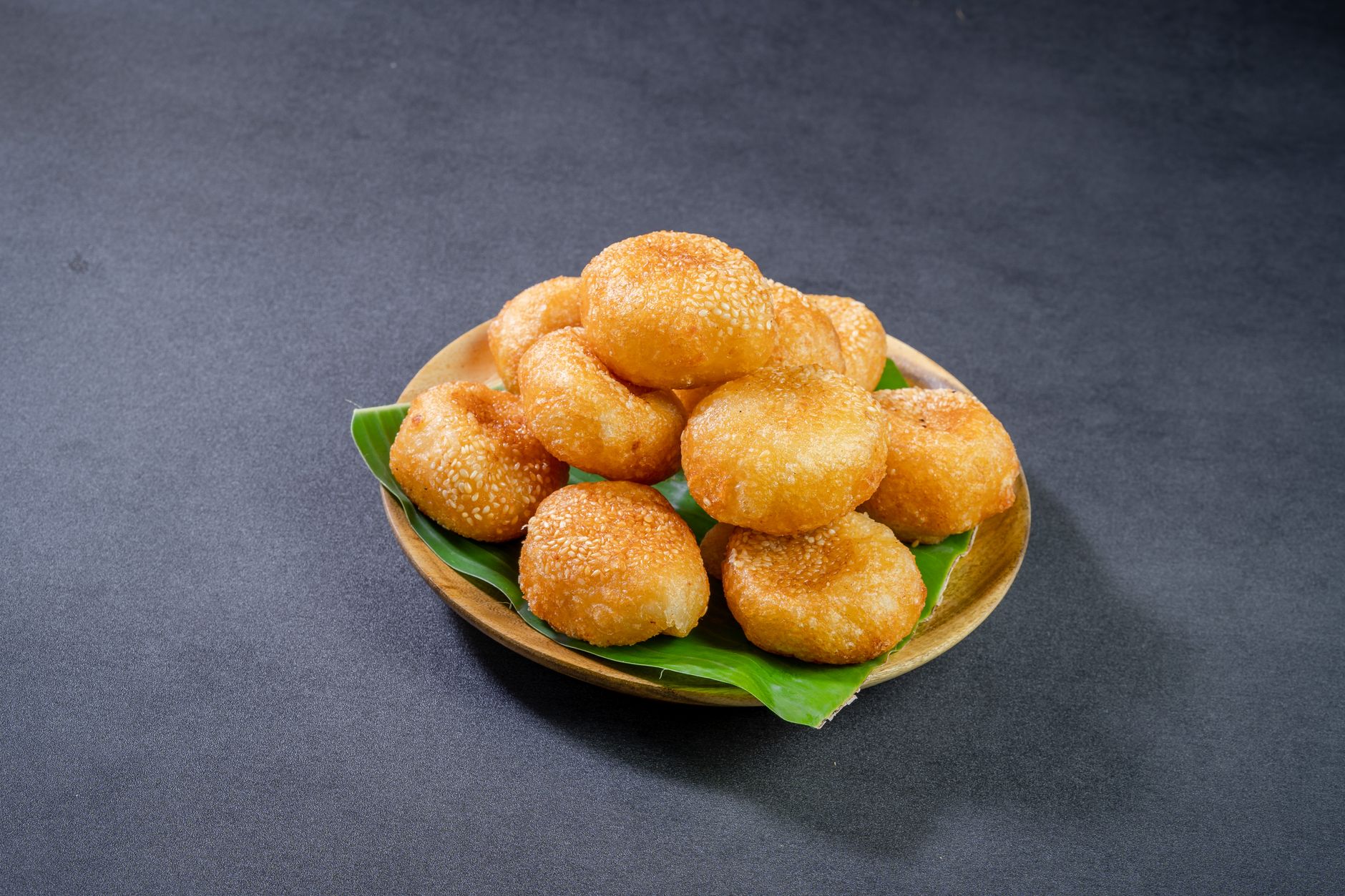
Glutinous rice flour, often used in Asian cuisines, is a unique type of rice flour made from glutinous or sticky rice. This flour is prized for its high starch content, which gives it exceptional binding and thickening properties. It is essential for many traditional dishes, including mochi, rice cakes, and various desserts.
Unlike regular rice flour, glutinous rice flour is made specifically from short-grain rice and is naturally gluten-free, despite the name containing “glutinous.” This article covers what glutinous rice flour is, its culinary uses, how to store it, and practical tips for incorporating it into your cooking routine.
What Is Glutinous Rice Flour?
Glutinous rice flour is a fine powder made from glutinous rice, also known as sticky rice or sweet rice. The term “glutinous” refers to the flour’s sticky texture when cooked, not to gluten content. Made from rice that contains a high amount of amylopectin starch, this flour is instrumental in creating chewy and elastic textures.
Ingredients of Glutinous Rice Flour
The sole ingredient in glutinous rice flour is glutinous rice, which is usually grown in Southeast Asian regions. This type of rice has a higher starch content and shorter grains than regular rice. The extraction process involves soaking, steaming, and grinding the rice into a fine flour.
- Glutinous Rice (Sticky or Sweet Rice): The primary component, known for its sticky texture and sweet flavor.
Culinary Uses of Glutinous Rice Flour
Glutinous rice flour is incredibly versatile and finds a place in various dishes across multiple cuisines. Here are some common culinary applications:
1. Traditional Asian Desserts
In Asian desserts, glutinous rice flour creates chewy textures that are highly sought after. It is used to make:
- Mochi: A Japanese rice cake that can be filled with sweetened red bean paste, fruits, or ice cream.
- Rice Cakes: Found in Chinese and Korean cuisines, they are often flavored and shaped in various forms.
- Sweet Dumplings: Often served in soups or as standalone treats during festivals.
2. Thickening Agent
Glutinous rice flour can act as a powerful thickening agent for soups, stews, and sauces. Its fine texture allows it to dissolve easily in liquids, creating a smooth and glossy finish.
3. Binding Agent
This flour helps bind ingredients together in various dishes, such as fritters and dumplings, providing structure and moisture. It is especially valued when making gluten-free foods.
4. Noodles and Pancakes
In Southeast Asian cuisines, glutinous rice flour is used to create rice noodles and pancakes, adding a chewy bite and pleasant texture.
How to Use Glutinous Rice Flour
When incorporating glutinous rice flour into your cooking, it’s essential to understand its properties and how they may differ from other flours.
Measuring and Sifting
Always measure glutinous rice flour using weight (grams) or by spooning it into a measuring cup and leveling it off. Sifting is usually not necessary, but if it has been stored for a while, sifting may help break up any clumps.
Common Uses in Recipes
- Mochi Recipe
- 1 cup glutinous rice flour
- 1 cup water
- 1/4 cup sugar
- Starch for dusting
- Fillings of your choice (e.g., ice cream, red bean paste)
- Mix the glutinous rice flour, water, and sugar in a bowl.
- Steam the mixture for 20 minutes until cooked through.
- Allow to cool, then dust with starch and cut into pieces.
- Fill with your desired fillings and enjoy.
- Thickening Sauces
- Mix 1 tablespoon of glutinous rice flour with 2 tablespoons of cold water until smooth.
- Add this slurry to your hot sauce or soup, stirring continuously until thickened.
- Dumpling Wrappers
- Combine 2 cups of glutinous rice flour with 1 cup of boiling water to form a dough.
- Let rest for 20 minutes before rolling into thin wrappers for dumplings.
Substitutions for Glutinous Rice Flour
While glutinous rice flour has a unique texture, there are occasions when you might need alternatives. Here are some practical substitutions:
- Regular Rice Flour: This can work but may not yield the same chewiness. Use in equal ratios, keeping in mind the texture will be different.
- Tapioca Flour: A good substitute in recipes that require chewiness, use in a 1:1 ratio.
- Potato Starch: This can be used for thickening, though it may change the flavor slightly. Use 3/4 the amount of glutinous rice flour.
Common Mistakes & Troubleshooting
When working with glutinous rice flour, a few common issues can arise. Here are some solutions to troubleshoot them:
- Too Dry: If your dough or batter is too dry, gradually add water, one tablespoon at a time, until the desired consistency is achieved.
- Overcooked Mochi: If mochi is too chewy, it may have been overcooked. Next time, check for doneness closely, as steaming times may vary.
- Clumping: Ensure you mix glutinous rice flour into liquids slowly to prevent clumping. Using a whisk can help achieve a smoother consistency.
Storage Tips for Glutinous Rice Flour
Proper storage can extend the shelf life of glutinous rice flour and maintain its quality. Here are guidelines to follow:
- Air-tight Container: Store flour in an air-tight container to prevent moisture absorption and pest infestation.
- Cool, Dark Place: Keep it in a cool and dark location, like a pantry or cupboard, away from direct sunlight.
- Refrigeration: For long-term storage, refrigeration is an option, but allow it to come to room temperature before using it in recipes.
Exploring Recipes with Glutinous Rice Flour
Inspired to try using glutinous rice flour? Here are a few recipe ideas to explore:
- Mango Sticky Rice: A popular Thai dessert made with glutinous rice flour, coconut milk, and mango.
- Chinese Rice Balls: Typically served in sweet soup or as a dessert, made with glutinous rice flour.
- Korean Tteok: These rice cakes often incorporate glutinous rice flour for texture and appearance.
Why Use Glutinous Rice Flour?
Glutinous rice flour is favored not just for its unique properties but also for how it enhances the overall dining experience. Its chewy texture adds depth and satisfaction to both savory and sweet dishes.
Moreover, its gluten-free nature makes it an excellent option for those with gluten sensitivities or celiac disease. Whether you’re making traditional Asian desserts, thickening sauces, or creating gluten-free options, understanding how to work with glutinous rice flour can elevate your culinary repertoire.
Final Thoughts
Understanding glutinous rice flour and its uses can open a world of culinary possibilities. From making mouthwatering desserts to creating innovative dishes, it’s an ingredient worth exploring in your kitchen.
Next time you plan a meal or dessert, consider reaching for glutinous rice flour to introduce new flavors and textures. With proper storage and usage tips, you’ll find it a valuable addition to your pantry.
If you’re interested in cooking with unique ingredients, check out our articles on various cooking techniques, ingredient guides, and international cuisine to enhance your culinary adventures.