
Cholesterol is a waxy substance found in your body and in many foods. While your body needs cholesterol to build healthy cells, too much can lead to high cholesterol levels, which increase the risk of heart disease. The right diet plays a crucial role in managing these levels. Understanding what foods are bad for high cholesterol can help you make informed choices for a healthier lifestyle.
In this article, we will explore specific foods that can contribute to high cholesterol levels, discuss their impact on health, and offer practical tips on modifying your diet to promote better cardiovascular health. We will cover saturated fats, trans fats, refined carbohydrates, and more, along with advice on portion control and smart substitutes.
What Foods Are Bad for High Cholesterol?
Foods high in saturated fats, trans fats, and sugar should be limited when managing high cholesterol. Saturated fats can increase LDL (bad) cholesterol, while trans fats raise total cholesterol levels, which is detrimental to heart health. These fats are commonly found in processed and fried foods. Refined carbohydrates and sugary snacks can also negatively impact cholesterol levels.
Saturated Fats: The Major Offenders
Saturated fats are commonly found in animal products and certain plant oils. These fats can raise your LDL cholesterol levels, leading to a higher risk of heart disease. It’s essential to identify and limit these fat sources in your diet.
Sources of Saturated Fats
- Fatty cuts of meat (beef, lamb, pork)
- Processed meats (sausages, bacon, hot dogs)
- Dairy products (whole milk, cream, cheese, butter)
- Coconut oil and palm oil
- Chocolate and baked goods (cookies, pastries)
Tips for Reducing Saturated Fats
Switch to lean meat options, such as skinless poultry or fish. Opt for low-fat or fat-free dairy products. Additionally, use healthy fats, like olive oil or avocado oil, for cooking. These alternatives can significantly improve your diet while still allowing for a range of flavors.
Trans Fats: The Worst Choice
Trans fats are known to significantly increase LDL cholesterol while lowering HDL (good) cholesterol. Even in small amounts, trans fats can be harmful to heart health. They are often found in processed and fried foods.
Sources of Trans Fats
- Partially hydrogenated oils
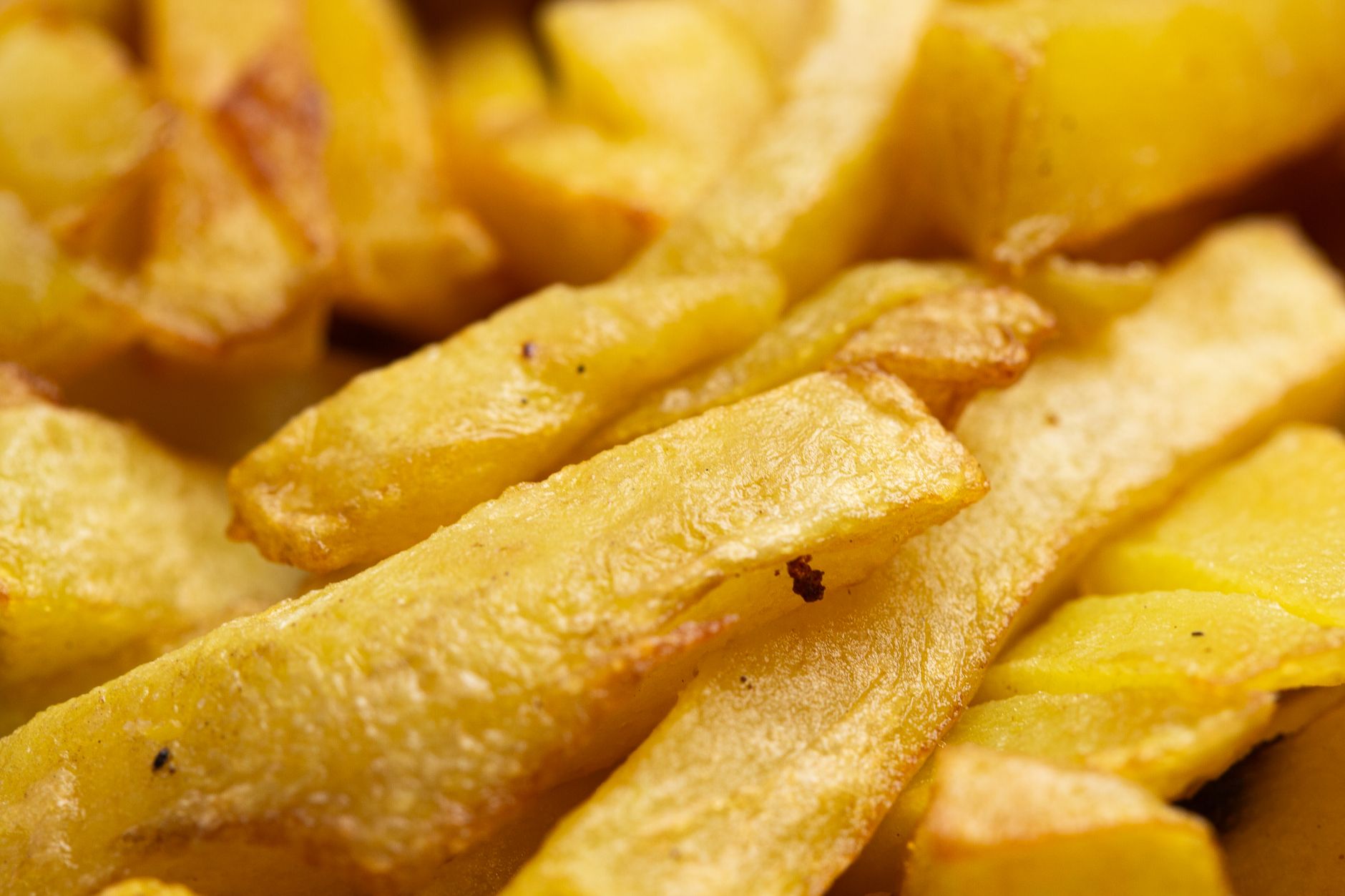
- Fried foods (French fries, doughnuts, fried chicken)
- Commercial baked goods (cakes, cookies, crackers)
- Margarine and shortening
How to Avoid Trans Fats
Check ingredient labels for partially hydrogenated oils, which indicate the presence of trans fats. Choose whole, unprocessed foods whenever possible and limit fast or convenience food options. When baking, consider using butter or oil instead of shortening.
Refined Carbohydrates and Sugars
Refined carbohydrates and added sugars can negatively impact cholesterol levels. These include white bread, white rice, sugary cereals, and beverages packed with sugar. These foods can lead to increased fat storage in the body.
Sources of Refined Carbohydrates and Sugars
- White bread and pastries
- Rice and pasta made from refined flour
- Candy and chocolate bars
- Soda and sweetened beverages
Making Healthier Choices
To limit the impact of refined carbohydrates, consider replacing them with whole grains, such as brown rice, whole wheat bread, and quinoa. Additionally, try natural sweeteners like honey or maple syrup in moderation instead of processed sugars.
Processed Foods: A Hidden Hazard
Processed foods often contain a combination of unhealthy fats, sugars, and other harmful ingredients that can elevate cholesterol levels. These foods might be convenient, but they are frequently laden with trans fats and added sugars.
Examples of Processed Foods to Avoid
- Packaged snacks (chips, cheese puffs)
- Instant meals (microwave dinners, pre-packaged sandwiches)
- Sugary breakfast cereals
- Fast food items (burgers, pizza)
Opting for Whole, Unprocessed Foods
Focus on whole foods that are unprocessed, such as vegetables, fruits, whole grains, nuts, and seeds. Cooking meals at home not only allows for better control over ingredients but also encourages healthier eating habits.
The Importance of Portion Sizes
In addition to the types of foods you consume, portion sizes can greatly impact cholesterol levels. Overeating—even healthy foods—can lead to weight gain, which can further exacerbate high cholesterol levels.
Understanding Portion Control
Understanding serving sizes based on dietary guidelines can help maintain healthy portions. Consider using measuring cups or checking food labels to realize standard serving sizes. This encourages healthier habits while enjoying a variety of foods.
Strategies for Effective Portion Control
- Use smaller plates and bowls to visually limit portions.
- Prepare balanced meals with appropriate protein, carbohydrate, and vegetable portions.
- Be mindful of snacks and avoid eating directly from bags or boxes.
Smart Ingredient Substitutions
Making minor adjustments to the ingredients in your favorite recipes can lead to great improvements in your cholesterol levels. Here are some practical substitutions that can enhance heart health without sacrificing taste.
Delicious Substitutions
- Use Greek yogurt instead of sour cream or mayonnaise.
- Opt for avocado in recipes calling for butter or margarine.
- Choose whole grain flour over white flour for baking.
- Incorporate nut butters in lieu of cream cheese or regular butter.
Meal Planning for Heart Health
Meal planning is a powerful tool in managing high cholesterol levels. It simplifies grocery shopping, ensures balanced meals, and helps avoid impulsive unhealthy food choices. Here’s how to create a heart-healthy meal plan.
Building a Balanced Meal Plan
- Start with a base of whole grains: brown rice, quinoa, or whole wheat pasta.
- Include a variety of vegetables in every meal, aiming for different colors for a diverse nutrient profile.
- Add lean protein sources, such as legumes, fish, or skinless poultry.
- Finish with healthy fats: include nuts, seeds, or olive oil sparingly.
Sample Heart-Healthy Meal Plan
| Meal | Options |
|---|---|
| Breakfast | Oatmeal topped with berries and a sprinkle of nuts |
| Lunch | Quinoa salad with mixed greens, cherry tomatoes, and chickpeas |
| Dinner | Baked salmon with steamed broccoli and brown rice |
| Snack | Carrot sticks with hummus or a piece of whole fruit |
Common Mistakes to Avoid
When trying to improve cholesterol levels, some common pitfalls may occur that can hinder progress. Being aware of these can help maintain focus and commitment to dietary changes.
Identifying Common Mistakes
- Assuming all fats are bad: incorporate healthy fats in moderation.
- Forgetting to read food labels: some “low-fat” items may contain high sugar levels.
- Neglecting fiber intake: increasing fiber from fruits, vegetables, and whole grains can improve cholesterol.
Staying Motivated
Maintaining a heart-healthy diet can be challenging, but setting attainable goals and celebrating small wins can keep motivation high. Consider tracking dietary changes and seeking support from friends or a nutritionist.
Conclusion
Managing high cholesterol involves understanding what foods to avoid and making mindful substitutions. By prioritizing whole, unprocessed foods, practicing portion control, and planning meals, you can significantly improve your cholesterol levels and overall health. Start small, make adjustments to your eating habits, and enjoy the journey toward better heart health.
Explore more related recipes and culinary tips to support your dietary goals, including healthy alternatives or meal prep strategies, to make your cooking experience flavorful and enjoyable.