
New Orleans is a city steeped in rich cultural history, and its culinary scene reflects this diverse heritage. Known for its bold flavors and unique dishes, the food of New Orleans showcases a fusion of African, French, Spanish, and Caribbean influences. From seafood to street food, this vibrant cuisine offers something for everyone.
Whether you’re a seasoned chef or a curious home cook, exploring what New Orleans is known for in the culinary realm is a delightful experience. This guide will walk you through various iconic dishes, ingredients, cooking techniques, and cultural insights related to New Orleans cuisine.
What Food Is New Orleans Known for?
New Orleans is renowned for its distinctive dishes, including gumbo, jambalaya, crawfish étouffée, beignets, and po’boys. Each of these dishes embodies the city’s cultural diversity and culinary creativity, making them staples in both homes and restaurants. Let’s delve deeper into these iconic foods and what sets them apart.
Iconic Dishes of New Orleans
Gumbo
Gumbo is perhaps the most famous dish associated with New Orleans. This hearty stew combines a variety of ingredients, including a flavorful base of stock, meat or seafood, and vegetables, often thickened with a roux. Traditional ingredients include okra, onions, celery, and bell peppers, known collectively as the “holy trinity” of Cajun cooking.
The flavor profile of gumbo is complex, with spices such as cayenne pepper, thyme, and bay leaves contributing to its depth. Gumbo can be made with chicken and sausage, seafood (like shrimp and crab), or a combination of both. It’s a dish steeped in tradition, often served with white rice and a sprinkle of green onions.
Jambalaya
Another iconic dish, jambalaya is a one-pot dish that combines rice with meat, seafood, and vegetables. Like gumbo, jambalaya also features the holy trinity, but the preparation method differs. The ingredients are usually cooked together with the rice, allowing the flavors to meld as they cook.
There are many variations of jambalaya, but the two primary styles are Creole (with tomatoes) and Cajun (without tomatoes). It can include chicken, sausage, shrimp, and even crawfish, making it a versatile and satisfying meal.
Crawfish Étouffée
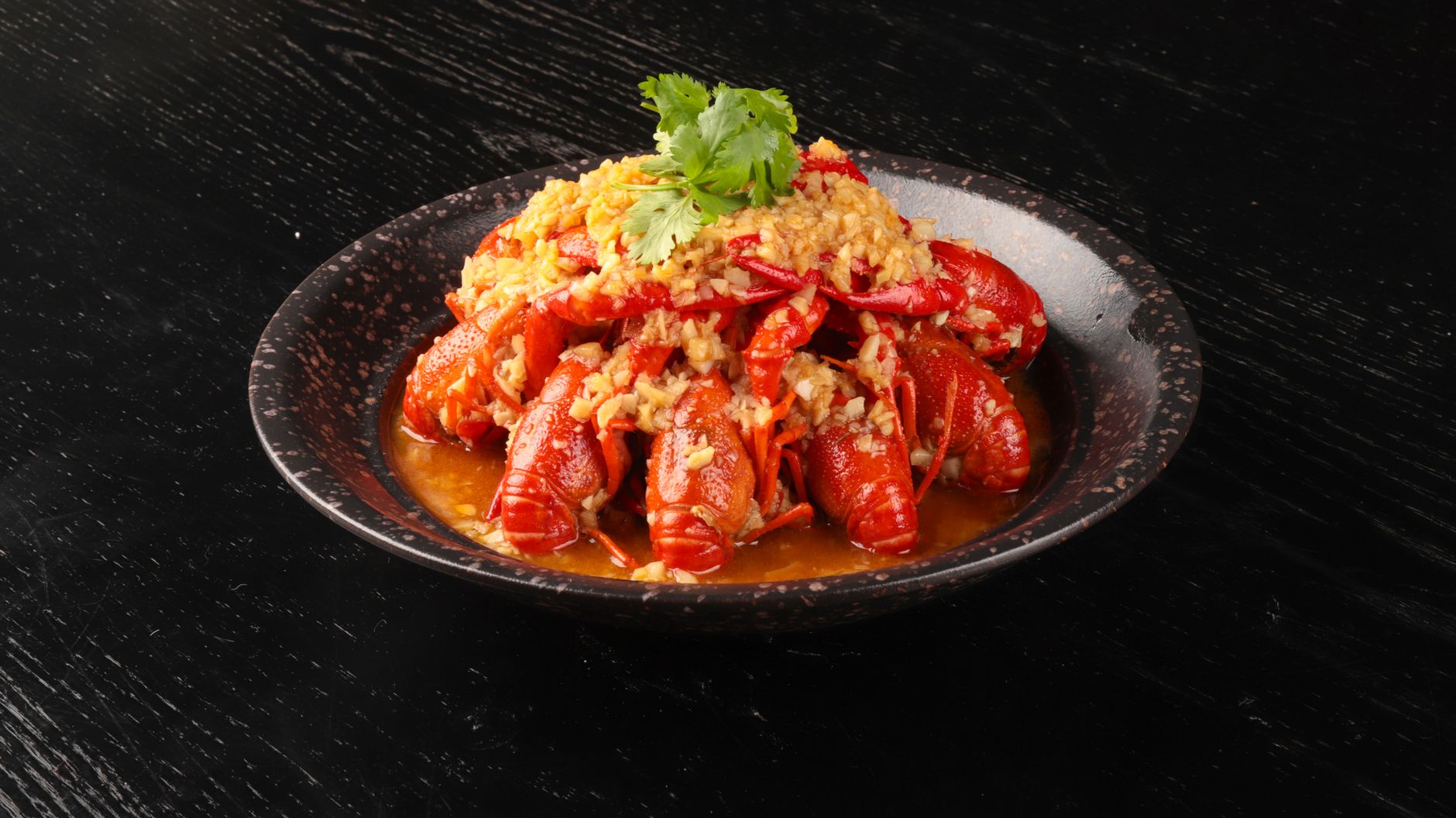
Crawfish étouffée is a classic dish that highlights the local love for crawfish. The term “étouffée” means “smothered” in French, referring to how the dish is prepared by sautéing crawfish in a rich, spicy sauce made from a roux and aromatics.
This dish is often served over rice and features a blend of Cajun spices, making it rich and flavorful. Crawfish étouffée is a seasonal dish typically enjoyed during the crawfish season, which runs from late winter through early summer.
Beignets
No list of New Orleans food would be complete without mentioning beignets. These French-style doughnuts are deep-fried until golden brown and generously dusted with powdered sugar, creating a delectable dessert or treat. Traditionally served in cafés and at special events, beignets pair perfectly with a café au lait.
The experience of enjoying beignets is as much about the ambiance as the taste, often associated with leisurely mornings in the French Quarter. Whether fresh out of the fryer or from a local bakery, beignets are a must-try for any visitor.
Po’boys
Po’boys are a beloved sandwich originating in New Orleans. Traditionally made on a French bread loaf, po’boys are filled with a variety of ingredients, from fried seafood (like shrimp or oysters) to roast beef and gravy. The sandwich is a testament to the city’s culinary spirit, showcasing both its seafood heritage and meat-based traditions.
What sets a po’boy apart is not just the filling but also the crunch of the bread and the balance of flavors. Often garnished with lettuce, tomatoes, and pickles, po’boys are hearty, satisfying, and perfect for lunch or dinner.
Key Ingredients in New Orleans Cooking
The cuisine of New Orleans is characterized by unique ingredients that contribute to its distinct flavors. Here are some key components often found in New Orleans dishes:
- Andouille Sausage: A smoked sausage with a robust flavor, often used in gumbo and jambalaya. It adds depth and a spicy kick to many dishes.
- Seafood: New Orleans is known for its fresh and flavorful seafood, including shrimp, crab, and oysters, reflecting the city’s coastal location.
- Cajun Spices: A blend of spices that typically includes paprika, cayenne, onion powder, and garlic powder. These spices are essential for seasoning dishes like gumbo and jambalaya.
- Rice: A staple ingredient used in jambalaya and served with many dishes, rice helps soak up flavors and adds heartiness to meals.
- File Powder: Made from ground sassafras leaves, file powder is often used as a thickening agent in gumbo and adds a distinct flavor.
- Okra: This vegetable is commonly used in gumbo, providing both flavor and a natural thickening agent.
Cooking Techniques Unique to New Orleans Cuisine
New Orleans cooking relies on several traditional techniques that enhance flavors and textures. Understanding these methods can help you recreate authentic dishes at home.
Making a Roux
The roux is a fundamental component in many New Orleans dishes, especially gumbo. It is a mixture of flour and fat (usually oil or butter) that is cooked together until it achieves a specific color and flavor. A darker roux, achieved by cooking it longer, adds depth to dishes.
- Start with equal parts flour and fat in a heavy-bottomed pan.
- Heat the pan over medium-low heat, stirring constantly.
- Cook until the roux turns a deep brown color, taking care not to burn it. This can take anywhere from 15 to 30 minutes.
Use of the Holy Trinity
The “holy trinity” of Cajun cooking consists of onions, bell peppers, and celery. These ingredients form the base of many dishes and contribute to the overall flavor profile. They are typically sautéed at the beginning of the cooking process.
- Dice equal parts of onions, bell peppers, and celery.
- Heat oil in a pot and add the holy trinity, cooking until softened and fragrant.
- Proceed with adding other ingredients as per your recipe.
Regional Variations and Influences
New Orleans cuisine is not just about one style; it celebrates a variety of regional influences. The mix of French, Spanish, African, and Caribbean cultures has shaped its culinary landscape.
Creole cuisine typically features more lavish ingredients and techniques, such as the inclusion of tomatoes and a more sophisticated presentation. Cajun food, on the other hand, emphasizes rustic, hearty dishes that often focus on local ingredients and simple cooking methods.
Restaurants and Food Markets in New Orleans
If you’re looking to experience New Orleans cuisine firsthand, the city boasts an array of iconic restaurants and markets:
- Café du Monde: Famous for its beignets and café au lait, this iconic café is a must-visit.
- Commander’s Palace: A more upscale restaurant known for its innovative take on traditional Creole dishes.
- Acme Oyster House: Renowned for its fresh oysters and po’boys, this casual dining spot is a favorite among locals.
- French Market: A marketplace offering local produce, gourmet foods, and ready-to-eat dishes. It’s a great place to sample various New Orleans fare.
Cooking New Orleans Cuisine at Home
While enjoying New Orleans cuisine in its native setting is a treat, you can also create these beloved dishes at home. Here are some practical tips to help you get started:
- Gather Ingredients: Make sure to source fresh ingredients, especially seafood. Local markets may offer the best options.
- Experiment with Spices: Don’t be afraid to adjust spices according to your taste. Start with moderate amounts and build up as needed.
- Practice Techniques: Master cooking techniques like making a roux and sautéing the holy trinity, as these are foundational for many dishes.
- Start Simple: If you’re new to New Orleans cooking, begin with one dish, such as jambalaya or gumbo, and develop your skills from there.
Meal Planning with New Orleans Cuisine
Incorporating New Orleans cuisine into your meal planning can be a flavorful journey. Here’s how to make it practical:
Weekly Meal Guidelines
When planning meals, consider themes based on the iconic dishes:
- Monday: Gumbo night, served with crusty bread.
- Tuesday: Jambalaya, with a side of sautéed greens.
- Wednesday: Crawfish étouffée over rice, garnished with parsley.
- Thursday: Po’boy sandwiches, paired with sweet potato fries.
- Friday: A dessert night featuring beignets and coffee.
Batch Cooking
Many of these dishes can be made in batches and stored for later, which is advantageous for busy schedules.
- Prepare large pots of gumbo or jambalaya and freeze portions for quick meals later.
- Make a big batch of roux that can be portioned out and stored for future stews.
Storing and Reheating New Orleans Dishes
Proper storage and reheating techniques ensure the best flavors and textures are preserved:
- Storage: Allow dishes like gumbo and jambalaya to cool before transferring to airtight containers. They can be stored in the refrigerator for up to four days or frozen for several months.
- Reheating: Reheat on the stove over medium heat, stirring gently until heated through. This helps maintain texture and flavor.
Conclusion
Exploring New Orleans cuisine offers a delightful insight into the city’s rich cultural mix. With iconic dishes like gumbo, jambalaya, crawfish étouffée, beignets, and po’boys, there’s plenty to enjoy, whether dining out or cooking at home. Armed with the right ingredients, techniques, and meal planning strategies, you can bring a taste of New Orleans into your kitchen.
For more wonderful recipes and culinary tips, feel free to explore our crawfish boil recipe and learn how to make andouille sausage for your next New Orleans-inspired meal.